🎉 Up to 70% Off Selected ItemsShop Sale
HomeStore

Pseudocrenilabrus sp. Ruaha

Product image 1

Pseudocrenilabrus sp. Ruaha

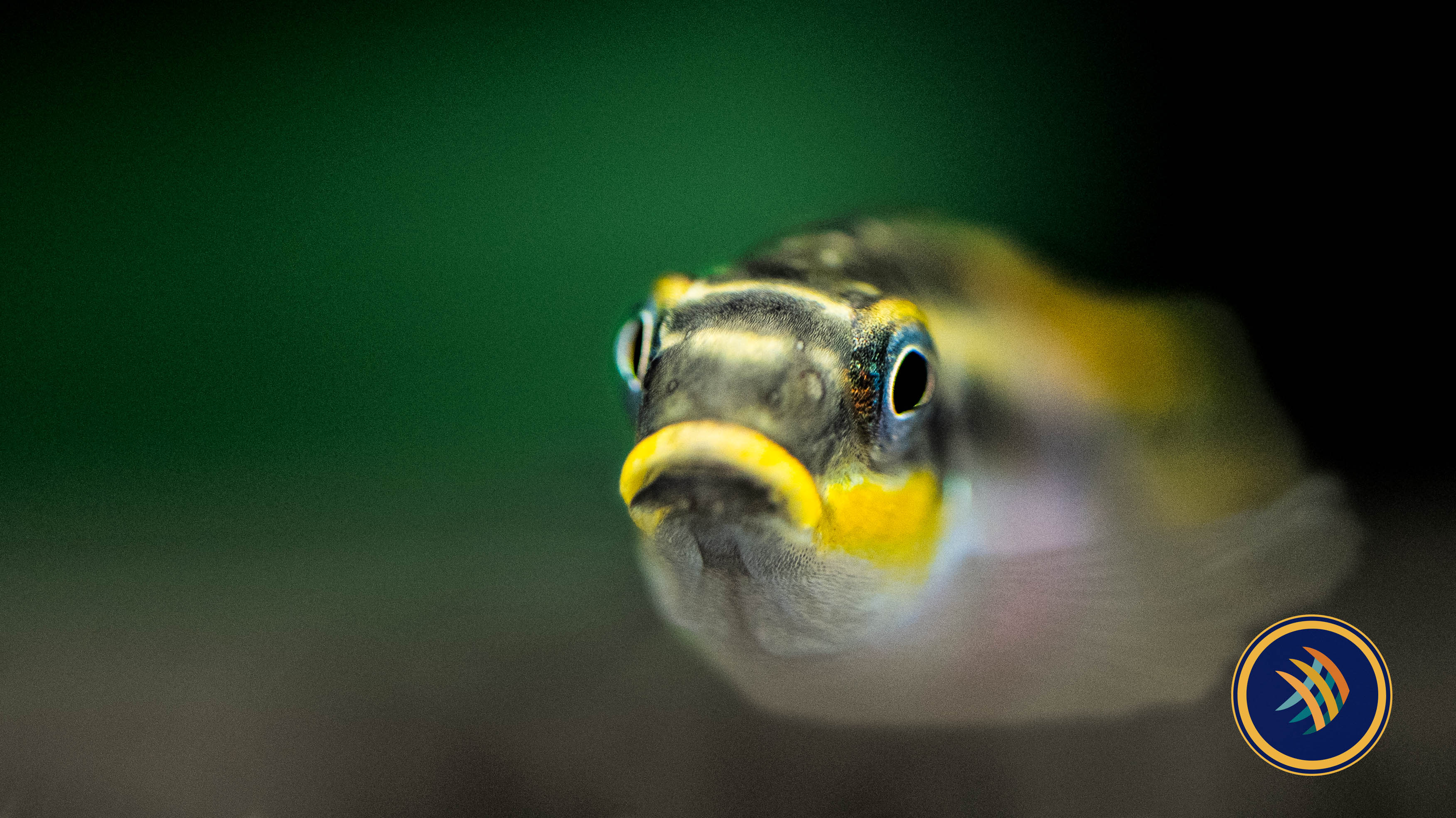
Pseudocrenilabrus sp. Ruaha is a captivating dwarf mouthbrooder found in the upper catchment of the Ruaha River in Tanzania. Although not yet scientifically studied, it was likely discovered by Lothar Seegers during a Tanzania expedition in 1996. These fish exhibit intriguing features:
  • Size and Sexual Dimorphism:

    • Males reach full coloration and sexual maturity at 5-6 cm, while females are slightly smaller.
    • The anal fin coloration distinguishes the sexes: striped in males and unmarked in females.
    • Vertical stripes are often visible due to their mood.
  • Care and Breeding:

    • Their care and breeding requirements resemble those of the well-known P. multicolor.
    • In large aquariums, they can grow a bit larger.
    • These mouthbrooders follow the typical pattern of incubating eggs in the female’s mouth.


Pseudocrenilabrus sp. Ruaha is a captivating dwarf mouthbrooder found in the upper catchment of the Ruaha River in Tanzania. Although not yet scientifically studied, it was likely discovered by Lothar Seegers during a Tanzania expedition in 1996. These fish exhibit intriguing features:
  • Size and Sexual Dimorphism:

    • Males reach full coloration and sexual maturity at 5-6 cm, while females are slightly smaller.
    • The anal fin coloration distinguishes the sexes: striped in males and unmarked in females.
    • Vertical stripes are often visible due to their mood.
  • Care and Breeding:

    • Their care and breeding requirements resemble those of the well-known P. multicolor.
    • In large aquariums, they can grow a bit larger.
    • These mouthbrooders follow the typical pattern of incubating eggs in the female’s mouth.


$7.42

Original: $21.19

-65%
Pseudocrenilabrus sp. Ruaha

$21.19

$7.42

Description

Pseudocrenilabrus sp. Ruaha is a captivating dwarf mouthbrooder found in the upper catchment of the Ruaha River in Tanzania. Although not yet scientifically studied, it was likely discovered by Lothar Seegers during a Tanzania expedition in 1996. These fish exhibit intriguing features:
  • Size and Sexual Dimorphism:

    • Males reach full coloration and sexual maturity at 5-6 cm, while females are slightly smaller.
    • The anal fin coloration distinguishes the sexes: striped in males and unmarked in females.
    • Vertical stripes are often visible due to their mood.
  • Care and Breeding:

    • Their care and breeding requirements resemble those of the well-known P. multicolor.
    • In large aquariums, they can grow a bit larger.
    • These mouthbrooders follow the typical pattern of incubating eggs in the female’s mouth.


Pseudocrenilabrus sp. Ruaha | April’s Aquarium Vancouver