1 / 3
Apistogramma Elizabethae
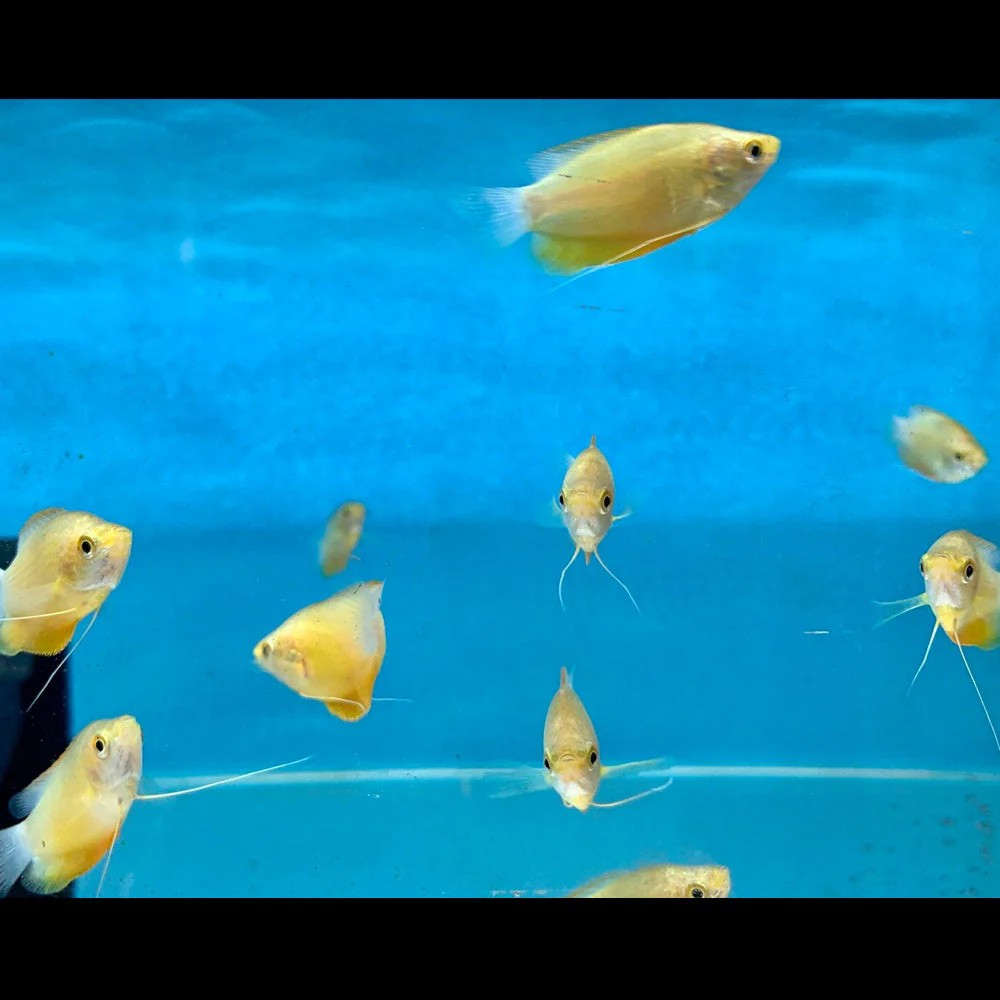
Apistogramma elizabethae, also known as Elizabeth's Apistogramma or Elizabeth's Red Dwarf Cichlid, is a stunning and relatively rare species of dwarf cichlid native to the upper Rio Negro basin in Brazil.
Species Overview
- Scientific Name: Apistogramma elizabethae
- Size: Up to 5 cm (2 inches)
- Lifespan: ~5 years
- Temperament: Semi-aggressive, especially during breeding
- Difficulty: Intermediate to advanced aquarists
Natural Habitat
- Found in slow-moving tributaries and leaf-litter-rich creeks of the Rio Uaupés and Rio Içana in Brazil
- Prefers soft, acidic water (pH 4.0–6.0, GH 2–8, temperature 22–29°C).
- Substrate is typically dark and sandy, with dense vegetation and leaf litter providing cover and spawning sites
Aquarium Setup
- Tank Size: Minimum 45×30 cm base for a pair; larger for groups
- Substrate: Fine sand is ideal for natural sifting behavior
- Décor: Include driftwood, rocks, coconut shells, and dried leaves (e.g., Indian Almond or alder cones).
- Lighting: Dim lighting with floating plants to diffuse light.
- Filtration: Gentle flow; sponge filters are preferred.
- Water Changes: Regular partial changes to maintain low nitrate levels.
Diet
- Omnivorous: In the wild, they eat algae, detritus, and small invertebrates
- In captivity, feed:
- High-quality flakes or pellets
- Live/frozen foods: bloodworms, brine shrimp, daphnia
- Variety is key to maintaining health and coloration
Breeding Behavior
- Substrate spawners: Eggs are laid in crevices or caves
- Males: Defend territory and court multiple females.
- Females: Guard eggs and fry, becoming brightly yellow with black markings during breeding
- Incubation: 36–72 hours depending on temperature.
- Fry Care: Sensitive to water chemistry; feed small meals multiple times daily and perform gentle water changes
Sexual Dimorphism & Coloration
- Males: Blue-grey base with vivid blue and orange-yellow highlights; elongated dorsal rays and spade-shaped tail.
- Females: Olive-colored normally, but turn bright yellow with black spots during breeding
- Variants: Includes “super red” and blue-marked forms depending on collection locality
Apistogramma elizabethae, also known as Elizabeth's Apistogramma or Elizabeth's Red Dwarf Cichlid, is a stunning and relatively rare species of dwarf cichlid native to the upper Rio Negro basin in Brazil.
Species Overview
- Scientific Name: Apistogramma elizabethae
- Size: Up to 5 cm (2 inches)
- Lifespan: ~5 years
- Temperament: Semi-aggressive, especially during breeding
- Difficulty: Intermediate to advanced aquarists
Natural Habitat
- Found in slow-moving tributaries and leaf-litter-rich creeks of the Rio Uaupés and Rio Içana in Brazil
- Prefers soft, acidic water (pH 4.0–6.0, GH 2–8, temperature 22–29°C).
- Substrate is typically dark and sandy, with dense vegetation and leaf litter providing cover and spawning sites
Aquarium Setup
- Tank Size: Minimum 45×30 cm base for a pair; larger for groups
- Substrate: Fine sand is ideal for natural sifting behavior
- Décor: Include driftwood, rocks, coconut shells, and dried leaves (e.g., Indian Almond or alder cones).
- Lighting: Dim lighting with floating plants to diffuse light.
- Filtration: Gentle flow; sponge filters are preferred.
- Water Changes: Regular partial changes to maintain low nitrate levels.
Diet
- Omnivorous: In the wild, they eat algae, detritus, and small invertebrates
- In captivity, feed:
- High-quality flakes or pellets
- Live/frozen foods: bloodworms, brine shrimp, daphnia
- Variety is key to maintaining health and coloration
Breeding Behavior
- Substrate spawners: Eggs are laid in crevices or caves
- Males: Defend territory and court multiple females.
- Females: Guard eggs and fry, becoming brightly yellow with black markings during breeding
- Incubation: 36–72 hours depending on temperature.
- Fry Care: Sensitive to water chemistry; feed small meals multiple times daily and perform gentle water changes
Sexual Dimorphism & Coloration
- Males: Blue-grey base with vivid blue and orange-yellow highlights; elongated dorsal rays and spade-shaped tail.
- Females: Olive-colored normally, but turn bright yellow with black spots during breeding
- Variants: Includes “super red” and blue-marked forms depending on collection locality
$19.78
Original: $56.52
-65%Apistogramma Elizabethae—
$56.52
$19.78Description
Apistogramma elizabethae, also known as Elizabeth's Apistogramma or Elizabeth's Red Dwarf Cichlid, is a stunning and relatively rare species of dwarf cichlid native to the upper Rio Negro basin in Brazil.
Species Overview
- Scientific Name: Apistogramma elizabethae
- Size: Up to 5 cm (2 inches)
- Lifespan: ~5 years
- Temperament: Semi-aggressive, especially during breeding
- Difficulty: Intermediate to advanced aquarists
Natural Habitat
- Found in slow-moving tributaries and leaf-litter-rich creeks of the Rio Uaupés and Rio Içana in Brazil
- Prefers soft, acidic water (pH 4.0–6.0, GH 2–8, temperature 22–29°C).
- Substrate is typically dark and sandy, with dense vegetation and leaf litter providing cover and spawning sites
Aquarium Setup
- Tank Size: Minimum 45×30 cm base for a pair; larger for groups
- Substrate: Fine sand is ideal for natural sifting behavior
- Décor: Include driftwood, rocks, coconut shells, and dried leaves (e.g., Indian Almond or alder cones).
- Lighting: Dim lighting with floating plants to diffuse light.
- Filtration: Gentle flow; sponge filters are preferred.
- Water Changes: Regular partial changes to maintain low nitrate levels.
Diet
- Omnivorous: In the wild, they eat algae, detritus, and small invertebrates
- In captivity, feed:
- High-quality flakes or pellets
- Live/frozen foods: bloodworms, brine shrimp, daphnia
- Variety is key to maintaining health and coloration
Breeding Behavior
- Substrate spawners: Eggs are laid in crevices or caves
- Males: Defend territory and court multiple females.
- Females: Guard eggs and fry, becoming brightly yellow with black markings during breeding
- Incubation: 36–72 hours depending on temperature.
- Fry Care: Sensitive to water chemistry; feed small meals multiple times daily and perform gentle water changes
Sexual Dimorphism & Coloration
- Males: Blue-grey base with vivid blue and orange-yellow highlights; elongated dorsal rays and spade-shaped tail.
- Females: Olive-colored normally, but turn bright yellow with black spots during breeding
- Variants: Includes “super red” and blue-marked forms depending on collection locality