Wild Type Shrimp (Neocaridina davidi) X-Large
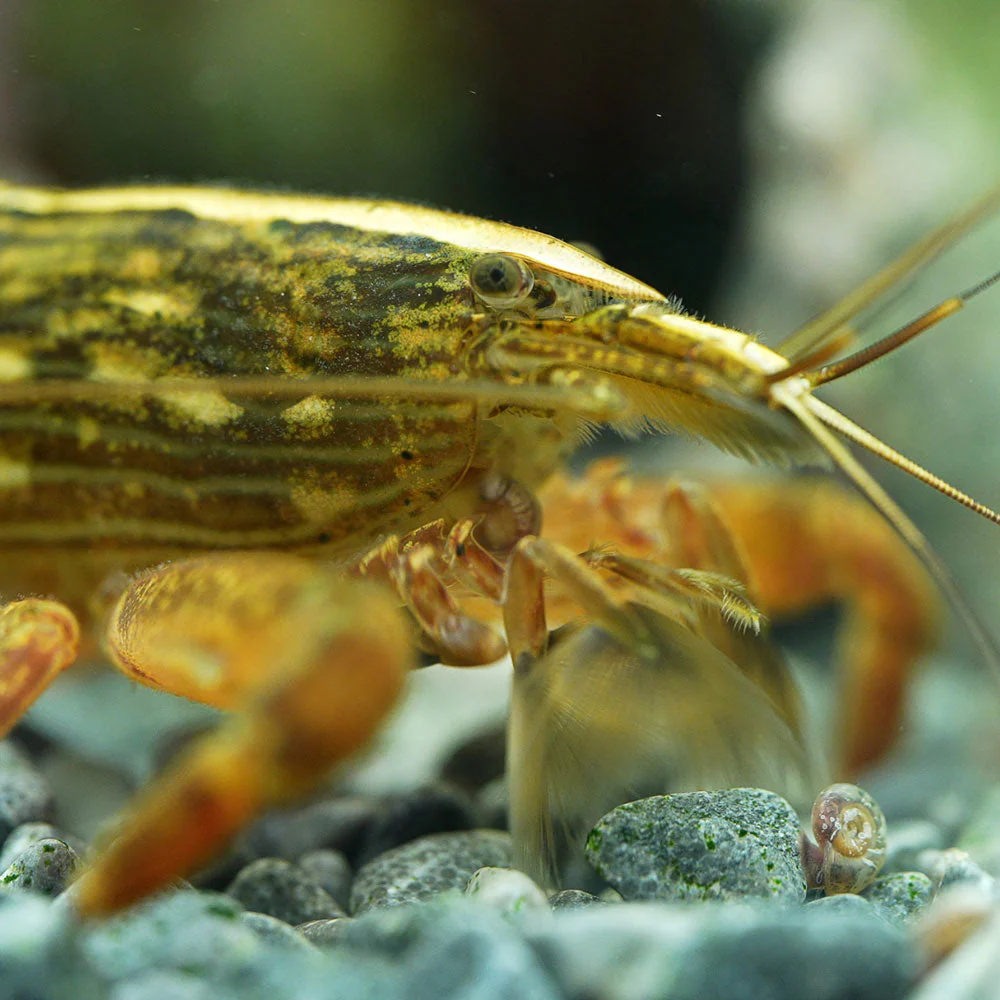
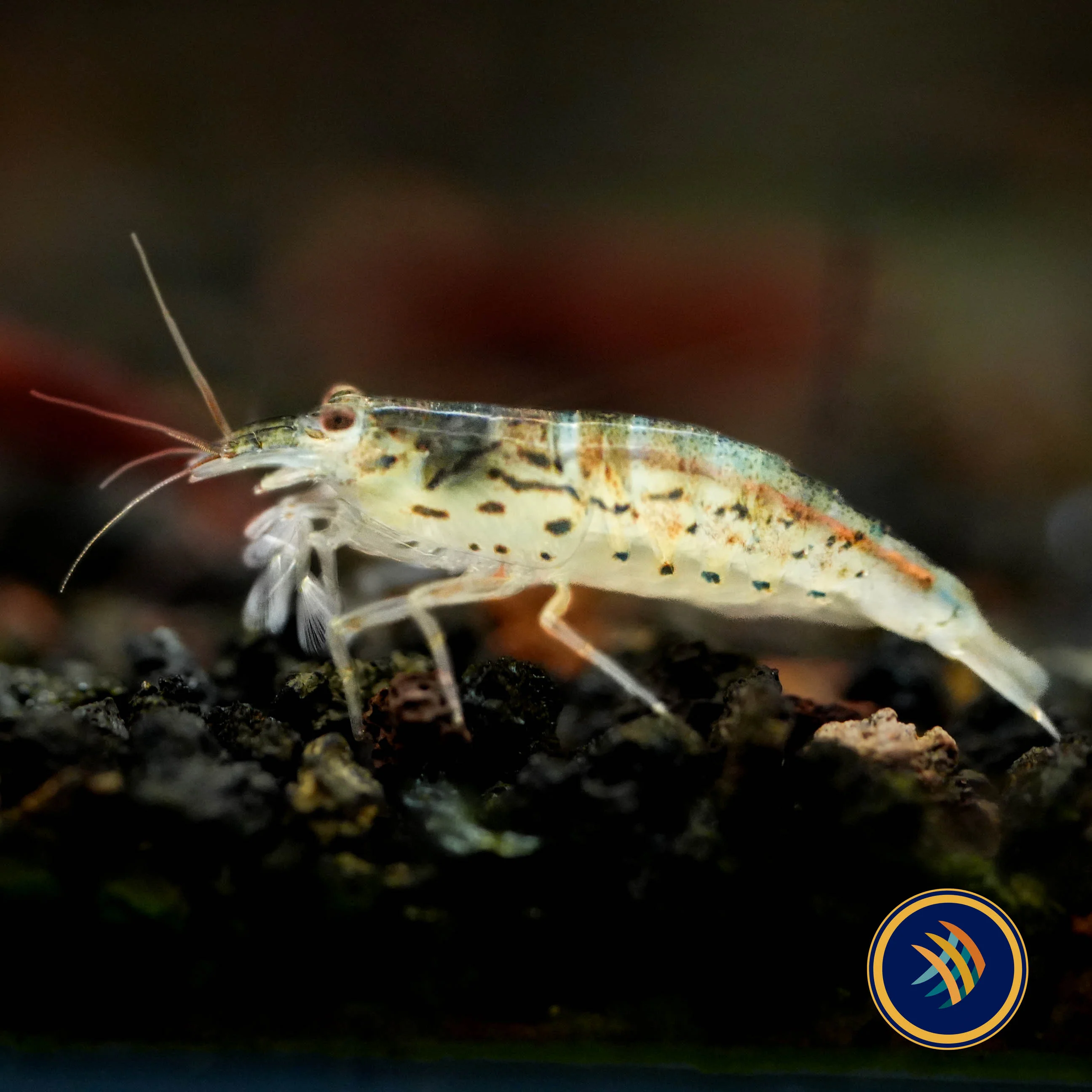
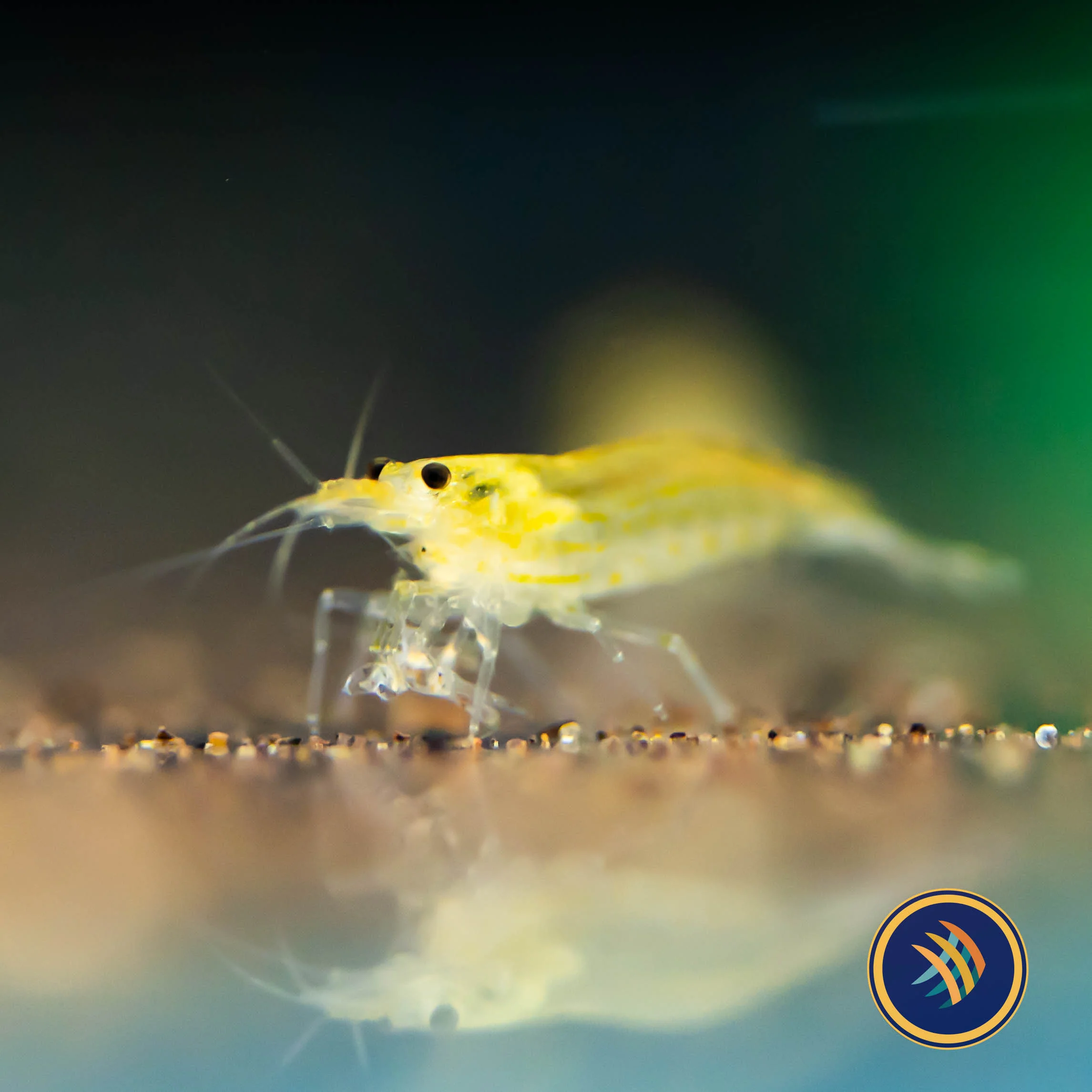
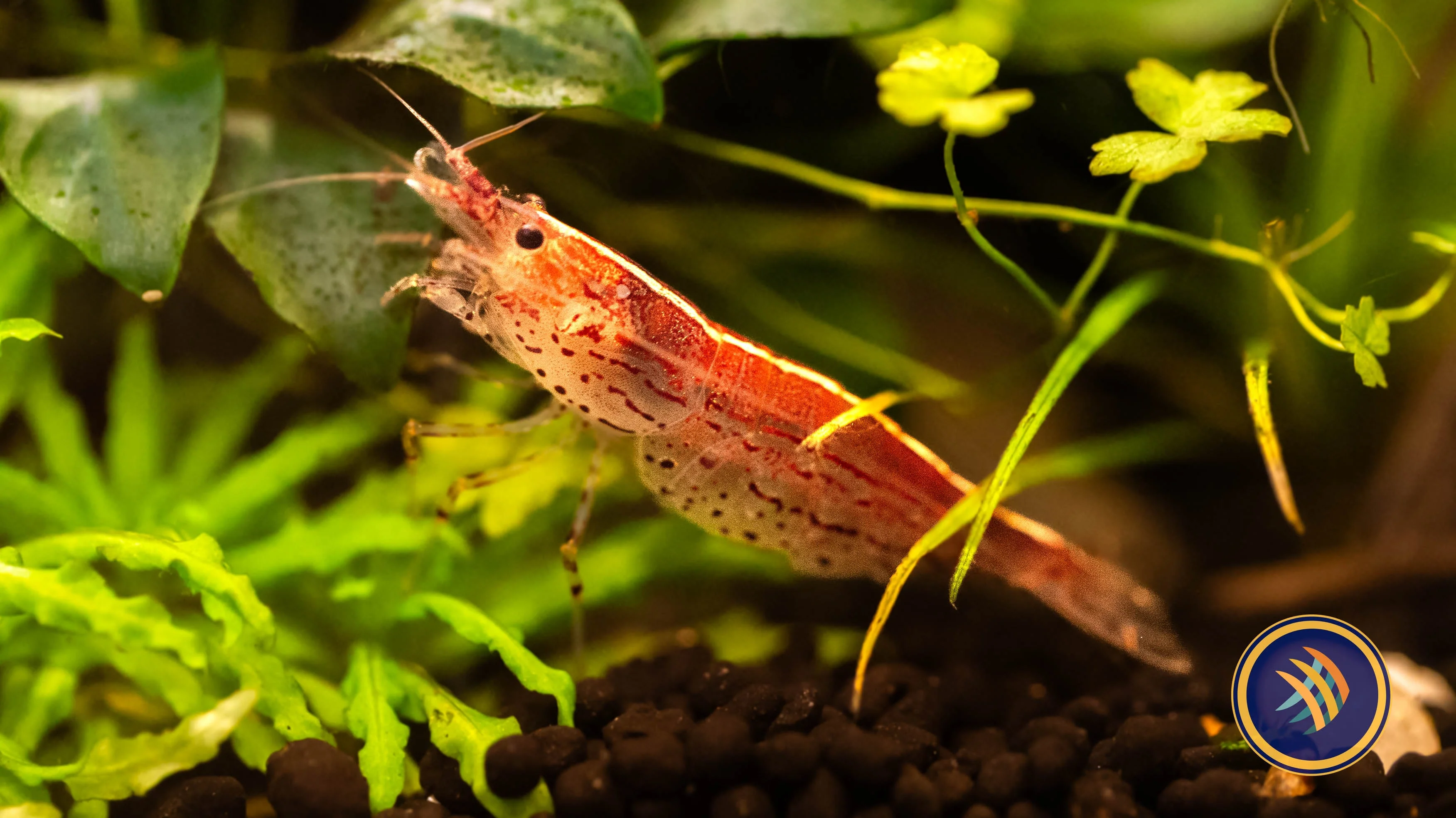
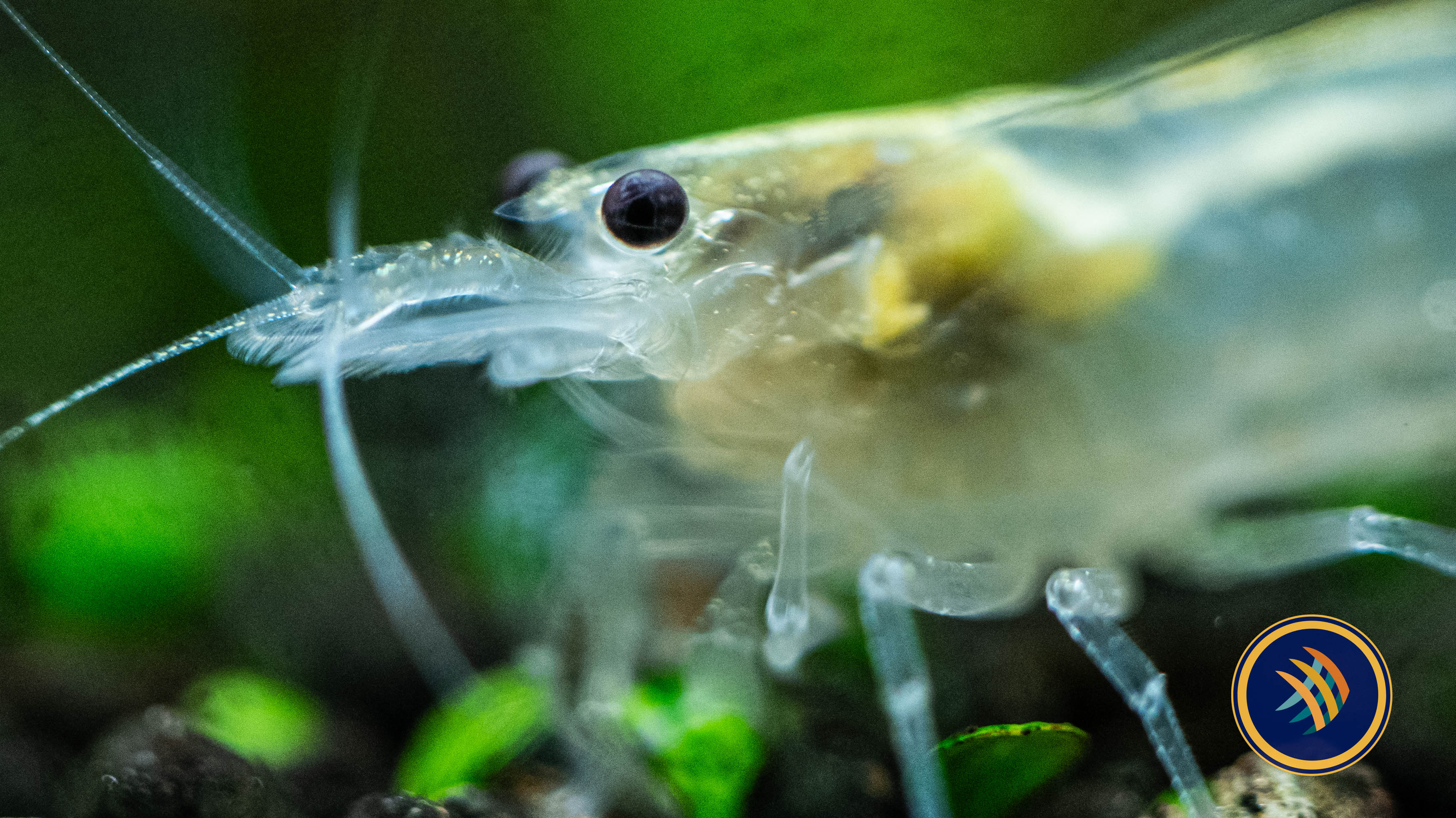
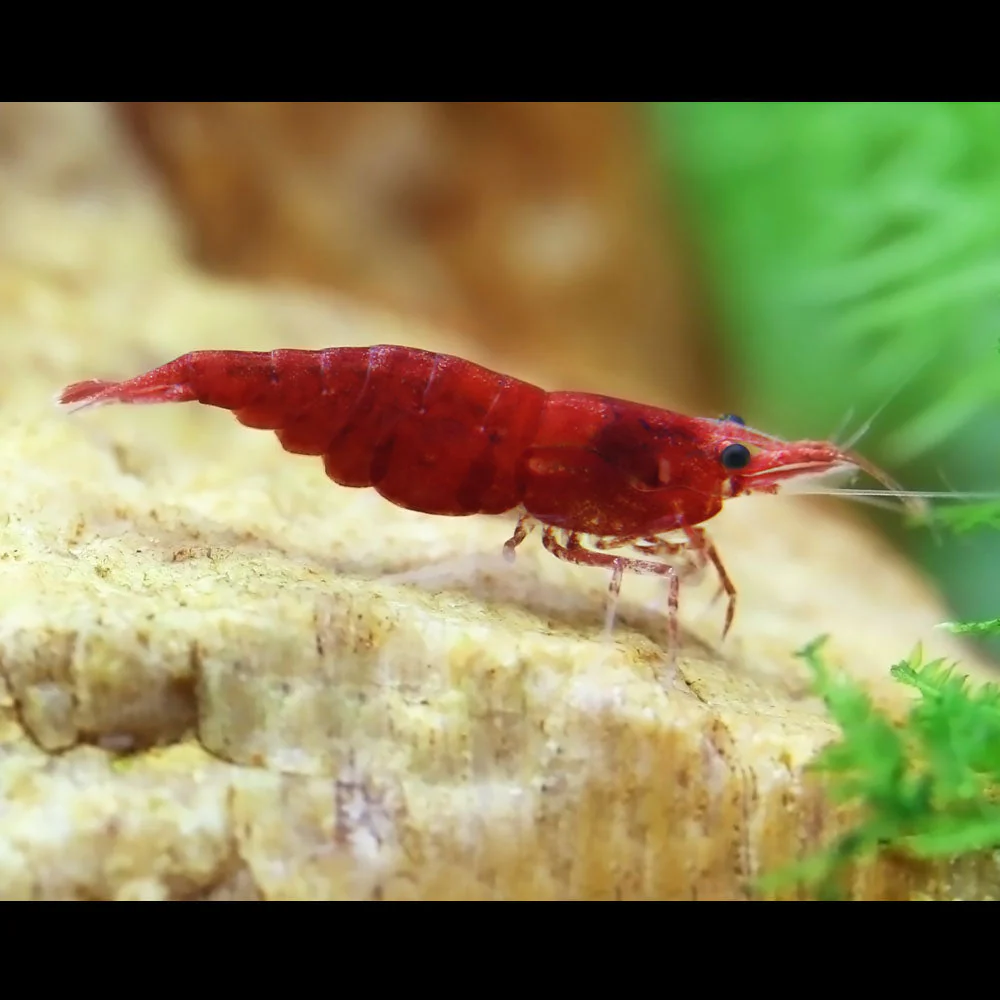
Wild Type Shrimp (Neocaridina davidi) are a hardy, natural-color freshwater shrimp that are very popular in aquariums, especially if you're looking for something close to their original, non-selectively bred appearance.
What “Wild Type” Means
- Wild type refers to the shrimp’s natural coloration (usually brown, olive, or translucent with speckling).
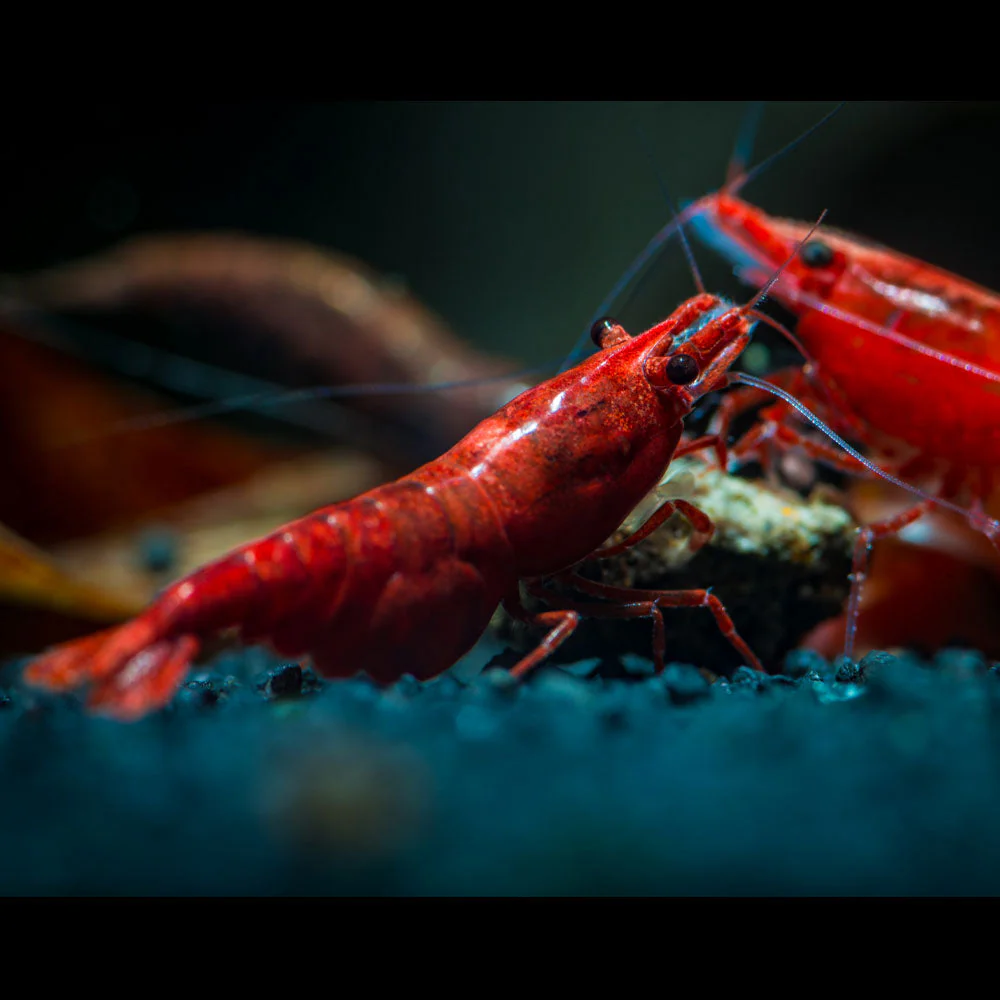
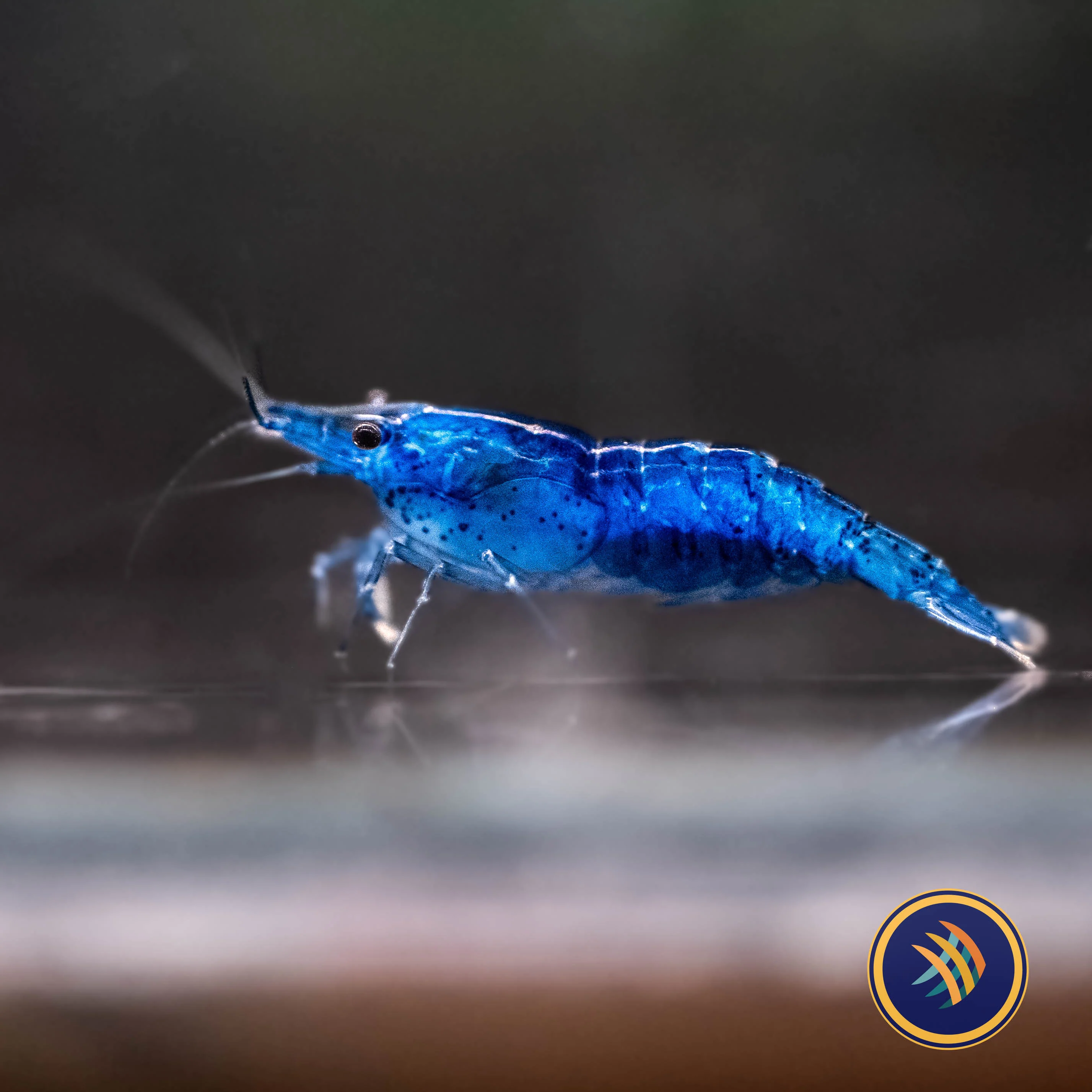
- These are the original form of Neocaridina davidi, before selective breeding created varieties like Cherry, Blue Dream, Yellow, etc.
- They often appear more camouflaged and less vibrant, but are typically very robust and adaptable.
Key Benefits
- Hardy & beginner-friendly
- Usually cheaper than color morphs
- Genetically strong (less inbreeding than high-grade colors)
- Excellent algae and detritus cleaners
- Great for mixing into colonies to improve genetics
Things to Know
- If you breed wild types:
- Offspring stay mostly wild-colored
- If mixed with colored shrimp, offspring often revert toward wild coloration
- They can be less visually striking, but very active and natural-looking
Care Requirements
| Parameter | Ideal Range |
|---|---|
| Temperature | 20–26°C (68–79°F) |
| pH | 6.5–7.8 |
| GH | 6–12 |
| KH | 2–8 |
| Tank size | 5+ gallons (bigger = more stable) |
Tank Setup Tips:
- Lots of plants (moss is perfect)
- Gentle filtration (sponge filters ideal)
- Stable, cycled tank (very important)
Diet
- Biofilm (main food source)
- Algae
- Shrimp pellets
- Blanched veggies (zucchini, spinach)
- Occasional protein treats
Breeding
- Very easy to breed:
- Females carry eggs under abdomen (“berried”)
- Hatch in ~3–4 weeks
- Babies are mini versions of adults (no larval stage)
Who They’re Best For
- Beginners starting a shrimp tank
- Breeders wanting strong genetics
- Aquarists who prefer a natural biotope look
- Budget-friendly stocking
Wild Type Shrimp (Neocaridina davidi) are a hardy, natural-color freshwater shrimp that are very popular in aquariums, especially if you're looking for something close to their original, non-selectively bred appearance.
What “Wild Type” Means
- Wild type refers to the shrimp’s natural coloration (usually brown, olive, or translucent with speckling).
- These are the original form of Neocaridina davidi, before selective breeding created varieties like Cherry, Blue Dream, Yellow, etc.
- They often appear more camouflaged and less vibrant, but are typically very robust and adaptable.
Key Benefits
- Hardy & beginner-friendly
- Usually cheaper than color morphs
- Genetically strong (less inbreeding than high-grade colors)
- Excellent algae and detritus cleaners
- Great for mixing into colonies to improve genetics
Things to Know
- If you breed wild types:
- Offspring stay mostly wild-colored
- If mixed with colored shrimp, offspring often revert toward wild coloration
- They can be less visually striking, but very active and natural-looking
Care Requirements
| Parameter | Ideal Range |
|---|---|
| Temperature | 20–26°C (68–79°F) |
| pH | 6.5–7.8 |
| GH | 6–12 |
| KH | 2–8 |
| Tank size | 5+ gallons (bigger = more stable) |
Tank Setup Tips:
- Lots of plants (moss is perfect)
- Gentle filtration (sponge filters ideal)
- Stable, cycled tank (very important)
Diet
- Biofilm (main food source)
- Algae
- Shrimp pellets
- Blanched veggies (zucchini, spinach)
- Occasional protein treats
Breeding
- Very easy to breed:
- Females carry eggs under abdomen (“berried”)
- Hatch in ~3–4 weeks
- Babies are mini versions of adults (no larval stage)
Who They’re Best For
- Beginners starting a shrimp tank
- Breeders wanting strong genetics
- Aquarists who prefer a natural biotope look
- Budget-friendly stocking
$2.82
Wild Type Shrimp (Neocaridina davidi) X-Large—
$2.82
Description
Wild Type Shrimp (Neocaridina davidi) are a hardy, natural-color freshwater shrimp that are very popular in aquariums, especially if you're looking for something close to their original, non-selectively bred appearance.
What “Wild Type” Means
- Wild type refers to the shrimp’s natural coloration (usually brown, olive, or translucent with speckling).
- These are the original form of Neocaridina davidi, before selective breeding created varieties like Cherry, Blue Dream, Yellow, etc.
- They often appear more camouflaged and less vibrant, but are typically very robust and adaptable.
Key Benefits
- Hardy & beginner-friendly
- Usually cheaper than color morphs
- Genetically strong (less inbreeding than high-grade colors)
- Excellent algae and detritus cleaners
- Great for mixing into colonies to improve genetics
Things to Know
- If you breed wild types:
- Offspring stay mostly wild-colored
- If mixed with colored shrimp, offspring often revert toward wild coloration
- They can be less visually striking, but very active and natural-looking
Care Requirements
| Parameter | Ideal Range |
|---|---|
| Temperature | 20–26°C (68–79°F) |
| pH | 6.5–7.8 |
| GH | 6–12 |
| KH | 2–8 |
| Tank size | 5+ gallons (bigger = more stable) |
Tank Setup Tips:
- Lots of plants (moss is perfect)
- Gentle filtration (sponge filters ideal)
- Stable, cycled tank (very important)
Diet
- Biofilm (main food source)
- Algae
- Shrimp pellets
- Blanched veggies (zucchini, spinach)
- Occasional protein treats
Breeding
- Very easy to breed:
- Females carry eggs under abdomen (“berried”)
- Hatch in ~3–4 weeks
- Babies are mini versions of adults (no larval stage)
Who They’re Best For
- Beginners starting a shrimp tank
- Breeders wanting strong genetics
- Aquarists who prefer a natural biotope look
- Budget-friendly stocking