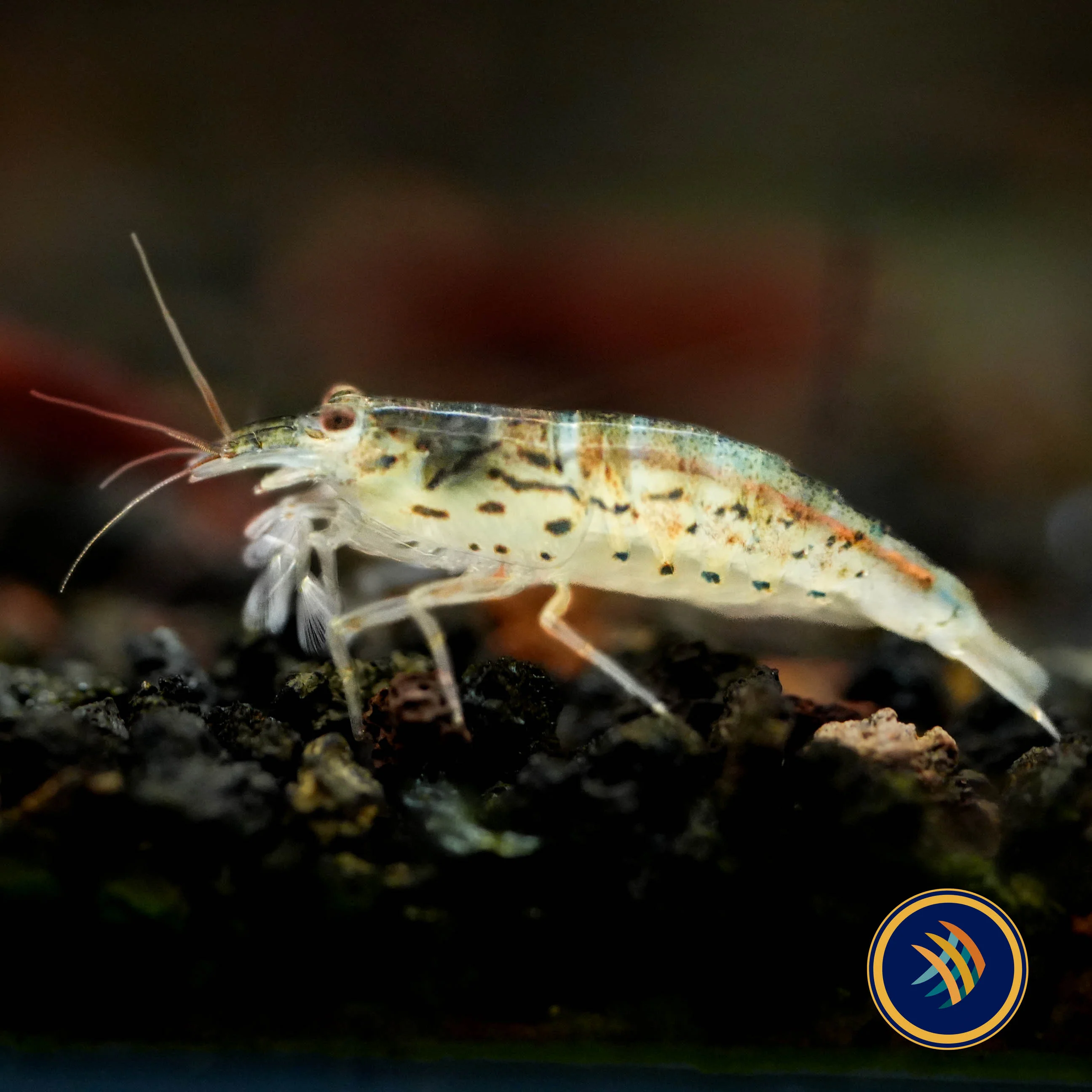
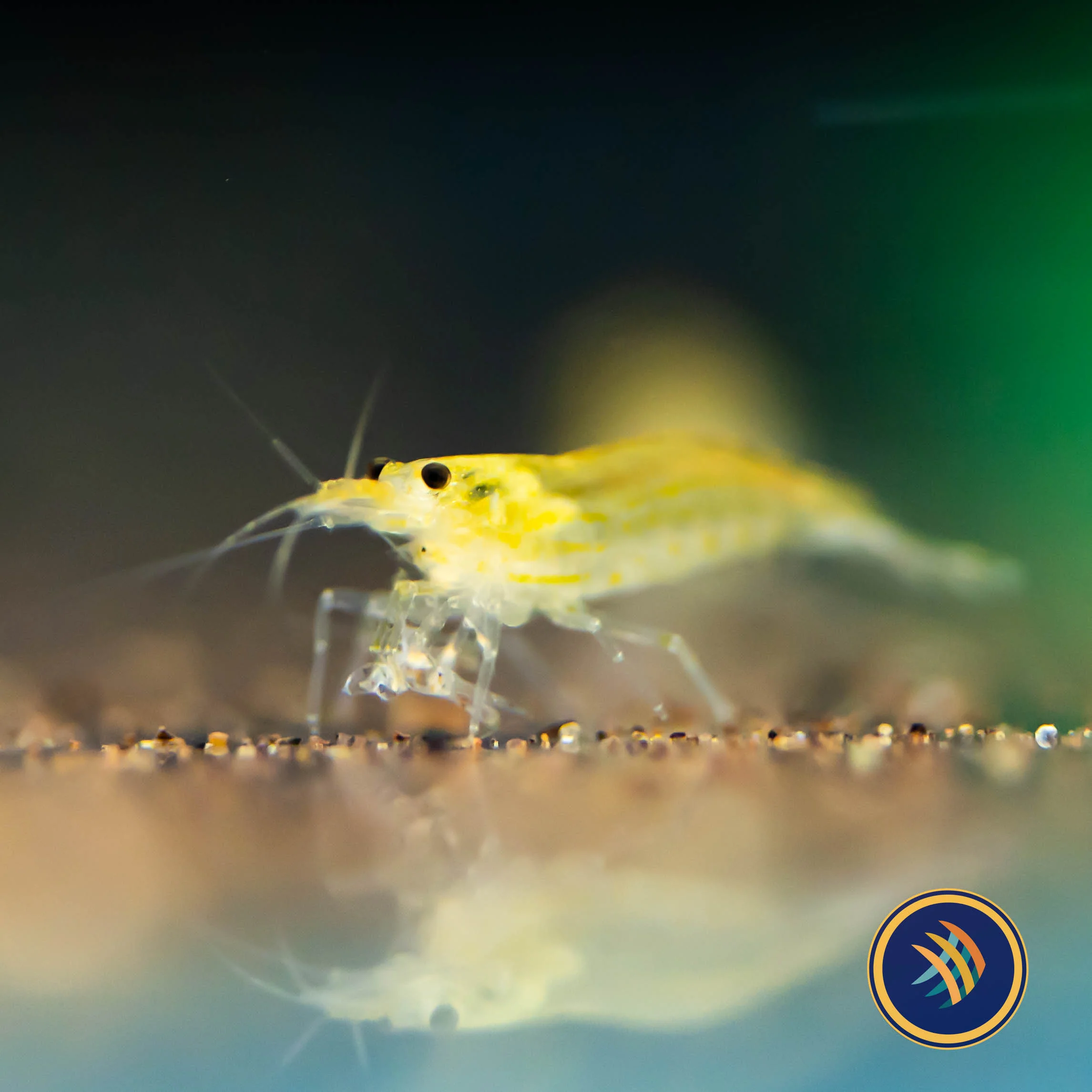
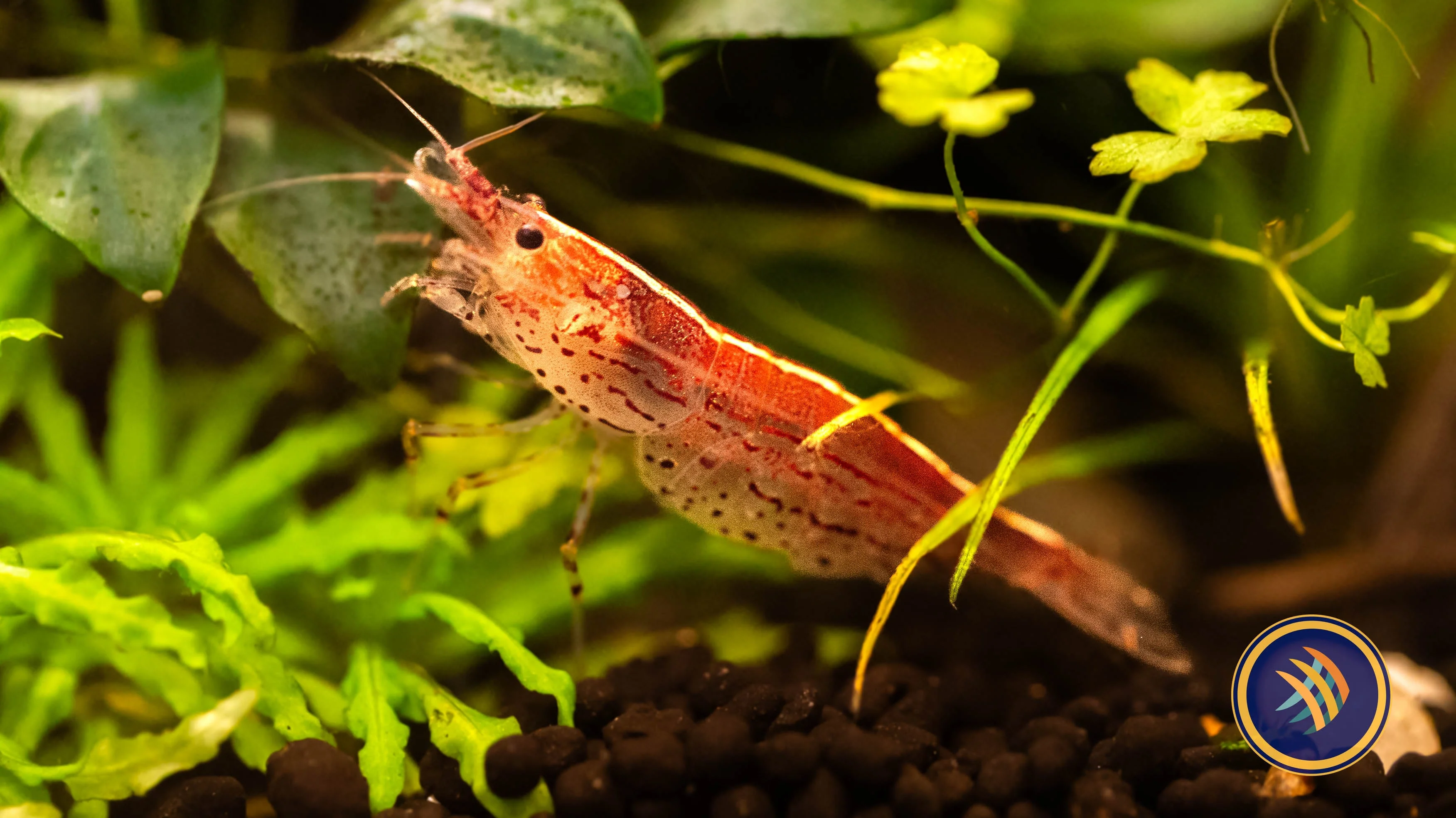
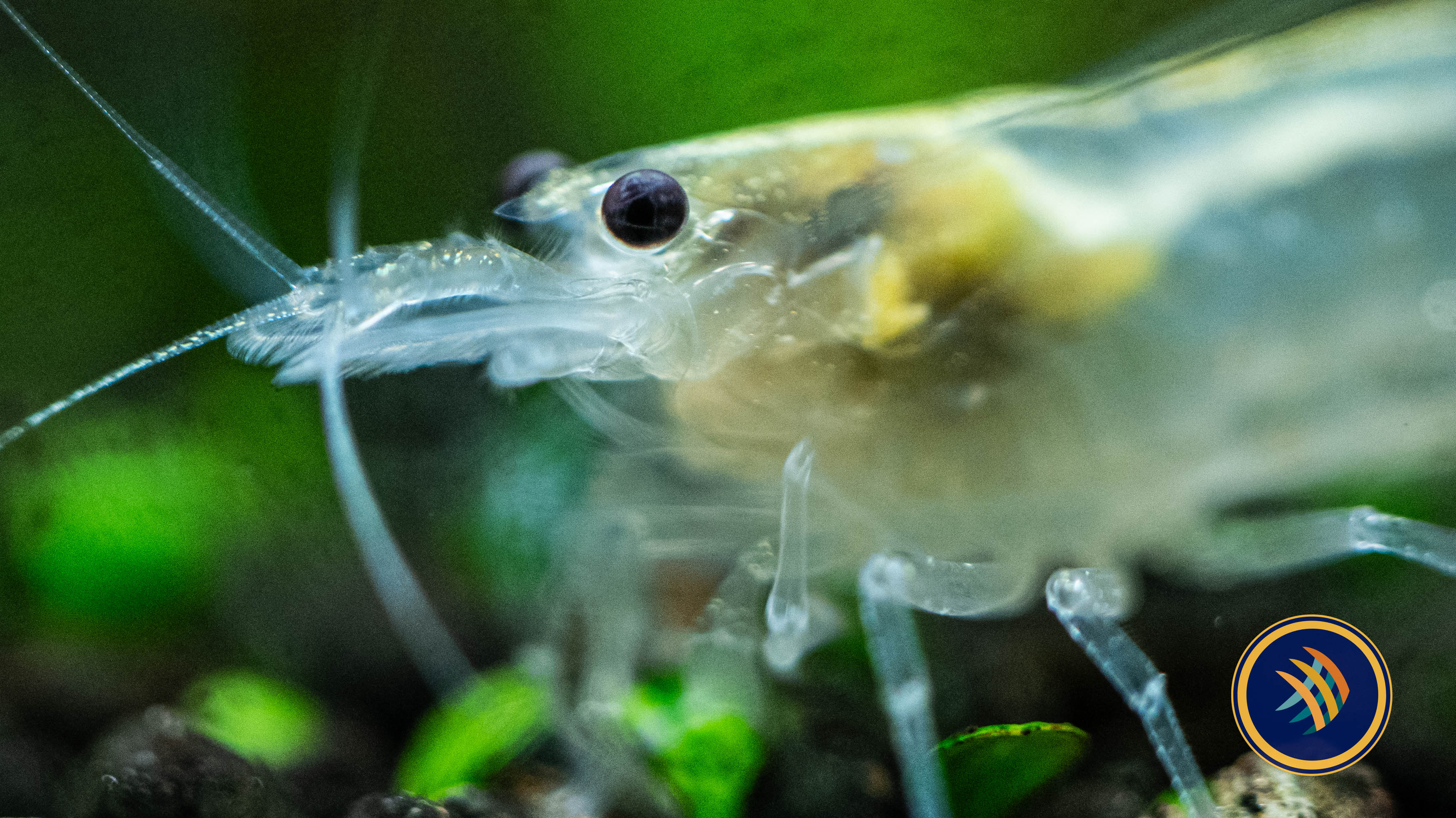
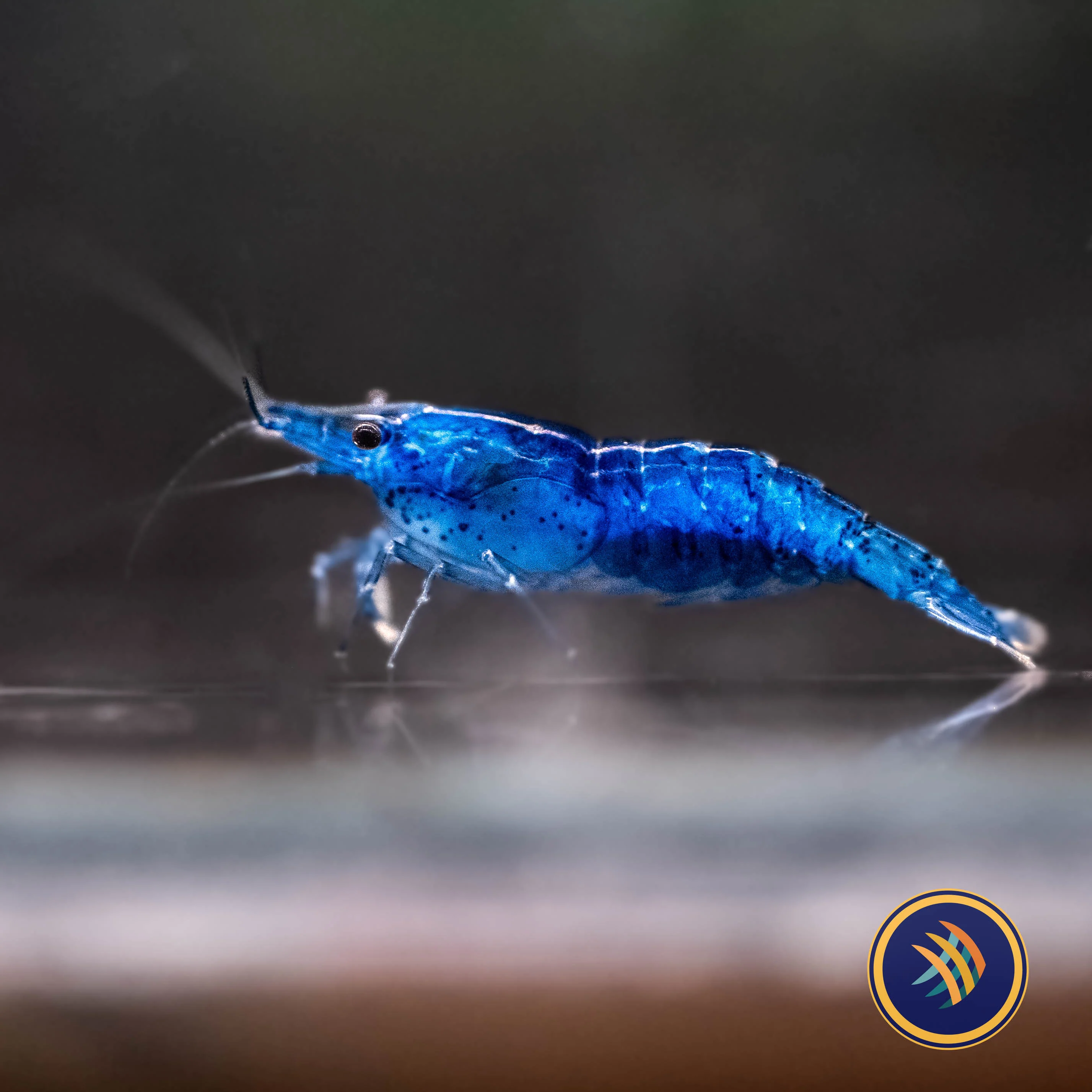
Ultra Blue Shrimp (Neocaridina davidi)
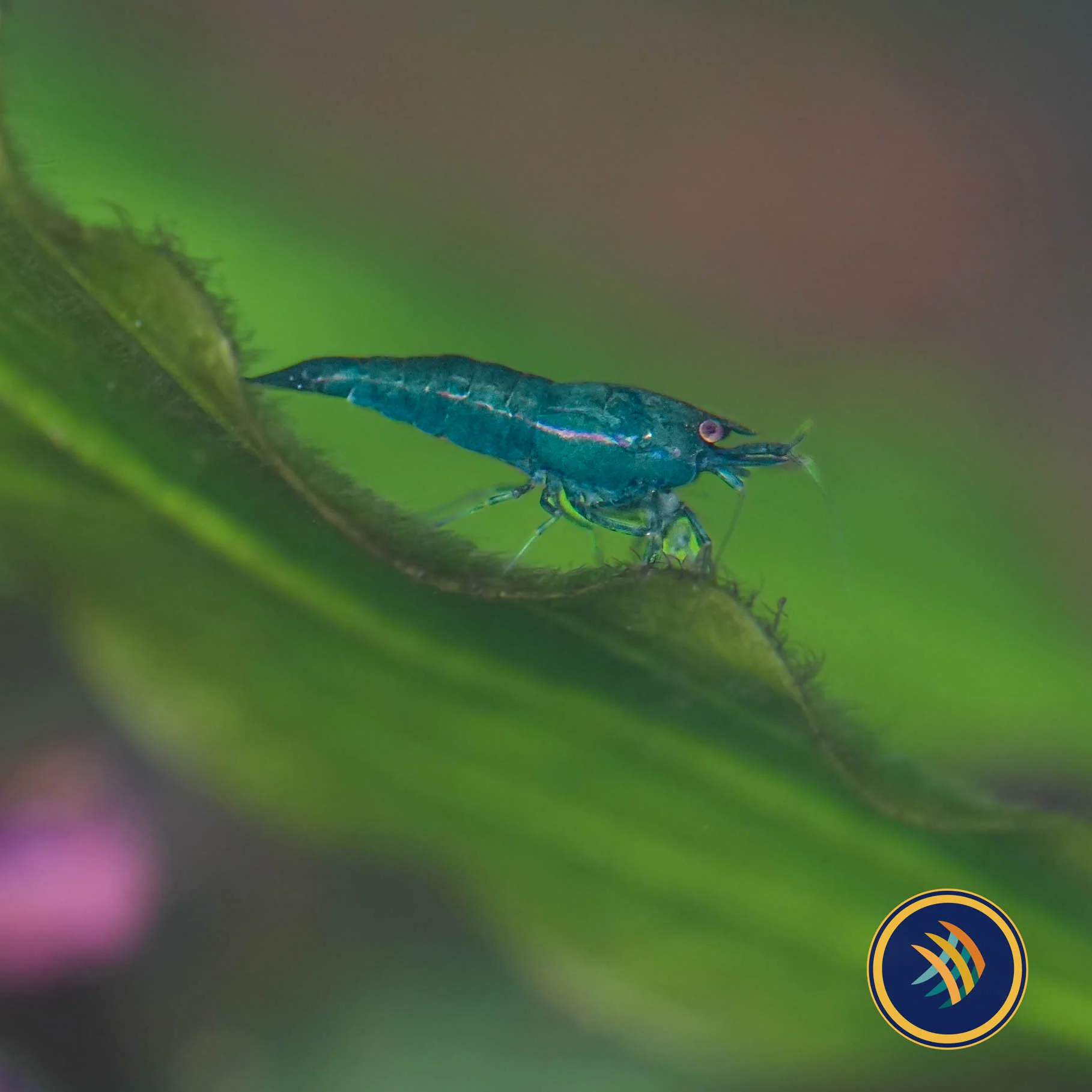
Ultra Blue Shrimp (Neocaridina davidi)
- Type: Freshwater dwarf shrimp
- Species: Neocaridina davidi
- Lineage: Selectively bred from Blue Dream / Blue Velvet lines
- Color: Deep solid blue (higher grades = darker, almost navy)
- Size: ~2–3 cm (0.8–1.2 inches)
- Lifespan: ~1–2 years
“Ultra Blue” refers to top-grade specimens with strong opacity and uniform color, not an official scientific classification.
Tank Requirements
Water Parameters
- Temp: 20–26°C (68–79°F)
- pH: 6.5–7.8
- GH: 6–8
- KH: 2–5
- TDS: ~150–250 ppm
Like all Neocaridina, they’re hardy, but consistency is key.
Tank Setup
- Minimum tank: 5 gallons (larger = better stability)
- Filtration: Sponge filter (avoids shrimplet loss)
-
Substrate:
- Dark substrate = enhances blue coloration
-
Plants (essential for success):
- Java moss
- Subwassertang
- Buce
- Anubias
Biofilm growth is critical for grazing and baby survival.
Feeding
-
Primary:
- High-quality shrimp pellets
- Algae wafers
-
Supplemental:
- Blanched spinach, zucchini
- Leaf litter (Indian almond)
- Mineral foods
For best color: include protein + carotenoid-rich foods
Behavior & Compatibility
- Peaceful, active grazers
- Thrive in:
- Species-only tanks
- Nano community setups
Compatible with:
- Chili rasboras
- Ember tetras
- Endlers
Avoid:
- Cichlids
- Bettas (hit or miss)
- Larger community fish
Breeding
- Very easy and profitable to breed
Breeding basics:
- Females carry eggs for ~3–4 weeks
- Hatch as miniature shrimp (no larval stage)
Key success factors:
- Stable params
- Moss-heavy tanks
- Low predation
Common Issues
1. Color Regression
- Mixing with other Neocaridina → brown/wild offspring
- Poor diet → faded color
2. Molting Problems
- Low minerals / GH imbalance
- Fix with remineralizers or calcium sources
3. Blue Line Instability
- Some lines throw:
- Black
- Clear
- Wild-type shrimp
Requires ongoing selective breeding.
Ultra Blue vs Other Blue Variants
| Variant | Color | Notes |
|---|---|---|
| Blue Dream | Deep blue | Basis for Ultra Blue |
| Blue Velvet | Lighter blue | More translucent |
| Blue Jelly | Pale blue | Soft, almost pastel |
| Ultra Blue | Dark, opaque | Premium grade |
Ultra Blue Shrimp (Neocaridina davidi)
- Type: Freshwater dwarf shrimp
- Species: Neocaridina davidi
- Lineage: Selectively bred from Blue Dream / Blue Velvet lines
- Color: Deep solid blue (higher grades = darker, almost navy)
- Size: ~2–3 cm (0.8–1.2 inches)
- Lifespan: ~1–2 years
“Ultra Blue” refers to top-grade specimens with strong opacity and uniform color, not an official scientific classification.
Tank Requirements
Water Parameters
- Temp: 20–26°C (68–79°F)
- pH: 6.5–7.8
- GH: 6–8
- KH: 2–5
- TDS: ~150–250 ppm
Like all Neocaridina, they’re hardy, but consistency is key.
Tank Setup
- Minimum tank: 5 gallons (larger = better stability)
- Filtration: Sponge filter (avoids shrimplet loss)
-
Substrate:
- Dark substrate = enhances blue coloration
-
Plants (essential for success):
- Java moss
- Subwassertang
- Buce
- Anubias
Biofilm growth is critical for grazing and baby survival.
Feeding
-
Primary:
- High-quality shrimp pellets
- Algae wafers
-
Supplemental:
- Blanched spinach, zucchini
- Leaf litter (Indian almond)
- Mineral foods
For best color: include protein + carotenoid-rich foods
Behavior & Compatibility
- Peaceful, active grazers
- Thrive in:
- Species-only tanks
- Nano community setups
Compatible with:
- Chili rasboras
- Ember tetras
- Endlers
Avoid:
- Cichlids
- Bettas (hit or miss)
- Larger community fish
Breeding
- Very easy and profitable to breed
Breeding basics:
- Females carry eggs for ~3–4 weeks
- Hatch as miniature shrimp (no larval stage)
Key success factors:
- Stable params
- Moss-heavy tanks
- Low predation
Common Issues
1. Color Regression
- Mixing with other Neocaridina → brown/wild offspring
- Poor diet → faded color
2. Molting Problems
- Low minerals / GH imbalance
- Fix with remineralizers or calcium sources
3. Blue Line Instability
- Some lines throw:
- Black
- Clear
- Wild-type shrimp
Requires ongoing selective breeding.
Ultra Blue vs Other Blue Variants
| Variant | Color | Notes |
|---|---|---|
| Blue Dream | Deep blue | Basis for Ultra Blue |
| Blue Velvet | Lighter blue | More translucent |
| Blue Jelly | Pale blue | Soft, almost pastel |
| Ultra Blue | Dark, opaque | Premium grade |
Description
Ultra Blue Shrimp (Neocaridina davidi)
- Type: Freshwater dwarf shrimp
- Species: Neocaridina davidi
- Lineage: Selectively bred from Blue Dream / Blue Velvet lines
- Color: Deep solid blue (higher grades = darker, almost navy)
- Size: ~2–3 cm (0.8–1.2 inches)
- Lifespan: ~1–2 years
“Ultra Blue” refers to top-grade specimens with strong opacity and uniform color, not an official scientific classification.
Tank Requirements
Water Parameters
- Temp: 20–26°C (68–79°F)
- pH: 6.5–7.8
- GH: 6–8
- KH: 2–5
- TDS: ~150–250 ppm
Like all Neocaridina, they’re hardy, but consistency is key.
Tank Setup
- Minimum tank: 5 gallons (larger = better stability)
- Filtration: Sponge filter (avoids shrimplet loss)
-
Substrate:
- Dark substrate = enhances blue coloration
-
Plants (essential for success):
- Java moss
- Subwassertang
- Buce
- Anubias
Biofilm growth is critical for grazing and baby survival.
Feeding
-
Primary:
- High-quality shrimp pellets
- Algae wafers
-
Supplemental:
- Blanched spinach, zucchini
- Leaf litter (Indian almond)
- Mineral foods
For best color: include protein + carotenoid-rich foods
Behavior & Compatibility
- Peaceful, active grazers
- Thrive in:
- Species-only tanks
- Nano community setups
Compatible with:
- Chili rasboras
- Ember tetras
- Endlers
Avoid:
- Cichlids
- Bettas (hit or miss)
- Larger community fish
Breeding
- Very easy and profitable to breed
Breeding basics:
- Females carry eggs for ~3–4 weeks
- Hatch as miniature shrimp (no larval stage)
Key success factors:
- Stable params
- Moss-heavy tanks
- Low predation
Common Issues
1. Color Regression
- Mixing with other Neocaridina → brown/wild offspring
- Poor diet → faded color
2. Molting Problems
- Low minerals / GH imbalance
- Fix with remineralizers or calcium sources
3. Blue Line Instability
- Some lines throw:
- Black
- Clear
- Wild-type shrimp
Requires ongoing selective breeding.
Ultra Blue vs Other Blue Variants
| Variant | Color | Notes |
|---|---|---|
| Blue Dream | Deep blue | Basis for Ultra Blue |
| Blue Velvet | Lighter blue | More translucent |
| Blue Jelly | Pale blue | Soft, almost pastel |
| Ultra Blue | Dark, opaque | Premium grade |