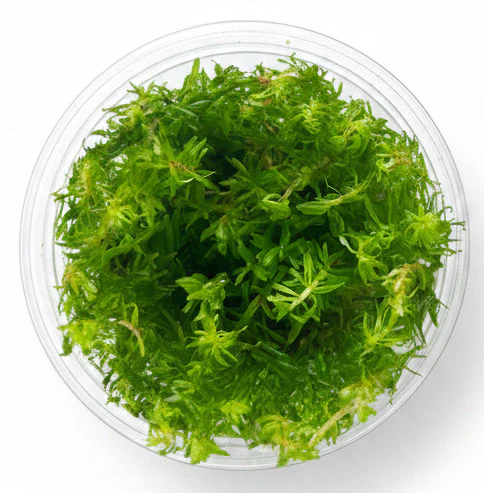
Taxiphyllum 'flame moss' Tissue Culture - C31281
Flame Moss (Taxiphyllum sp.) Tissue Culture (Vertical Growth Moss)
Add dramatic texture and movement to your aquascape with Flame Moss, a unique moss known for its distinct upward, twisting growth pattern that resembles flickering flames.
Unlike traditional mosses that grow flat, Flame Moss grows vertically, making it perfect for creating eye-catching focal points on driftwood and hardscape.
Grown in sterile tissue culture, it arrives 100% pest-free, algae-free, and shrimp-safe.
Why It Sells So Well
- Unique “flame-like” vertical growth (rare vs standard mosses)
- Adds height and texture instantly
- Tissue culture grown – no snails, algae, or parasites
- Shrimp & fry safe – perfect for breeding tanks
- Easy to shape, trim, and maintain
Plant Details
- Scientific Name: Taxiphyllum sp. ‘Flame’
- Common Name: Flame Moss
- Placement: Hardscape / Midground
- Difficulty: Easy
- Growth Rate: Moderate
- Lighting: Low to Medium
- CO₂: Not required (enhances growth)
Growth Style (Key Selling Feature)
Flame Moss stands out because it:
- Grows upward in spiral/twisting fronds
- Creates a 3D “flame” effect on wood and rocks
- Stays more compact and controlled than Java Moss
Perfect for premium aquascaping designs and moss trees
How to Use (Tissue Culture Prep)
- Remove moss from cup
- Rinse off all nutrient gel
- Break into small portions
- Attach to wood/rock using thread or aquarium-safe glue
Pro Tip: Use small pieces spaced out—this creates a fuller, more dramatic flame effect as it grows.
Care Notes
- Keep moss moist until placed in aquarium
- Trim occasionally to maintain shape
- Moderate flow helps enhance upright growth
What You Get
- 1 sealed cup of Flame Moss Tissue Culture
- Clean, dense moss ready for immediate aquascaping
Perfect For
- Driftwood “tree” aquascapes
- Shrimp tanks & breeding setups
- Nano and nature aquariums
- High-end aquascaping layouts
Pro Aquascaper Tip
Use Flame Moss to create:
- Moss trees (very high-demand look)
- Vertical accents on branch wood
- Layered textures in nature aquascapes
Flame Moss (Taxiphyllum sp.) Tissue Culture (Vertical Growth Moss)
Add dramatic texture and movement to your aquascape with Flame Moss, a unique moss known for its distinct upward, twisting growth pattern that resembles flickering flames.
Unlike traditional mosses that grow flat, Flame Moss grows vertically, making it perfect for creating eye-catching focal points on driftwood and hardscape.
Grown in sterile tissue culture, it arrives 100% pest-free, algae-free, and shrimp-safe.
Why It Sells So Well
- Unique “flame-like” vertical growth (rare vs standard mosses)
- Adds height and texture instantly
- Tissue culture grown – no snails, algae, or parasites
- Shrimp & fry safe – perfect for breeding tanks
- Easy to shape, trim, and maintain
Plant Details
- Scientific Name: Taxiphyllum sp. ‘Flame’
- Common Name: Flame Moss
- Placement: Hardscape / Midground
- Difficulty: Easy
- Growth Rate: Moderate
- Lighting: Low to Medium
- CO₂: Not required (enhances growth)
Growth Style (Key Selling Feature)
Flame Moss stands out because it:
- Grows upward in spiral/twisting fronds
- Creates a 3D “flame” effect on wood and rocks
- Stays more compact and controlled than Java Moss
Perfect for premium aquascaping designs and moss trees
How to Use (Tissue Culture Prep)
- Remove moss from cup
- Rinse off all nutrient gel
- Break into small portions
- Attach to wood/rock using thread or aquarium-safe glue
Pro Tip: Use small pieces spaced out—this creates a fuller, more dramatic flame effect as it grows.
Care Notes
- Keep moss moist until placed in aquarium
- Trim occasionally to maintain shape
- Moderate flow helps enhance upright growth
What You Get
- 1 sealed cup of Flame Moss Tissue Culture
- Clean, dense moss ready for immediate aquascaping
Perfect For
- Driftwood “tree” aquascapes
- Shrimp tanks & breeding setups
- Nano and nature aquariums
- High-end aquascaping layouts
Pro Aquascaper Tip
Use Flame Moss to create:
- Moss trees (very high-demand look)
- Vertical accents on branch wood
- Layered textures in nature aquascapes
Description
Flame Moss (Taxiphyllum sp.) Tissue Culture (Vertical Growth Moss)
Add dramatic texture and movement to your aquascape with Flame Moss, a unique moss known for its distinct upward, twisting growth pattern that resembles flickering flames.
Unlike traditional mosses that grow flat, Flame Moss grows vertically, making it perfect for creating eye-catching focal points on driftwood and hardscape.
Grown in sterile tissue culture, it arrives 100% pest-free, algae-free, and shrimp-safe.
Why It Sells So Well
- Unique “flame-like” vertical growth (rare vs standard mosses)
- Adds height and texture instantly
- Tissue culture grown – no snails, algae, or parasites
- Shrimp & fry safe – perfect for breeding tanks
- Easy to shape, trim, and maintain
Plant Details
- Scientific Name: Taxiphyllum sp. ‘Flame’
- Common Name: Flame Moss
- Placement: Hardscape / Midground
- Difficulty: Easy
- Growth Rate: Moderate
- Lighting: Low to Medium
- CO₂: Not required (enhances growth)
Growth Style (Key Selling Feature)
Flame Moss stands out because it:
- Grows upward in spiral/twisting fronds
- Creates a 3D “flame” effect on wood and rocks
- Stays more compact and controlled than Java Moss
Perfect for premium aquascaping designs and moss trees
How to Use (Tissue Culture Prep)
- Remove moss from cup
- Rinse off all nutrient gel
- Break into small portions
- Attach to wood/rock using thread or aquarium-safe glue
Pro Tip: Use small pieces spaced out—this creates a fuller, more dramatic flame effect as it grows.
Care Notes
- Keep moss moist until placed in aquarium
- Trim occasionally to maintain shape
- Moderate flow helps enhance upright growth
What You Get
- 1 sealed cup of Flame Moss Tissue Culture
- Clean, dense moss ready for immediate aquascaping
Perfect For
- Driftwood “tree” aquascapes
- Shrimp tanks & breeding setups
- Nano and nature aquariums
- High-end aquascaping layouts
Pro Aquascaper Tip
Use Flame Moss to create:
- Moss trees (very high-demand look)
- Vertical accents on branch wood
- Layered textures in nature aquascapes