Sapphire Shrimp (Neocaridina davidi)
Sapphire Shrimp (Neocaridina davidi)
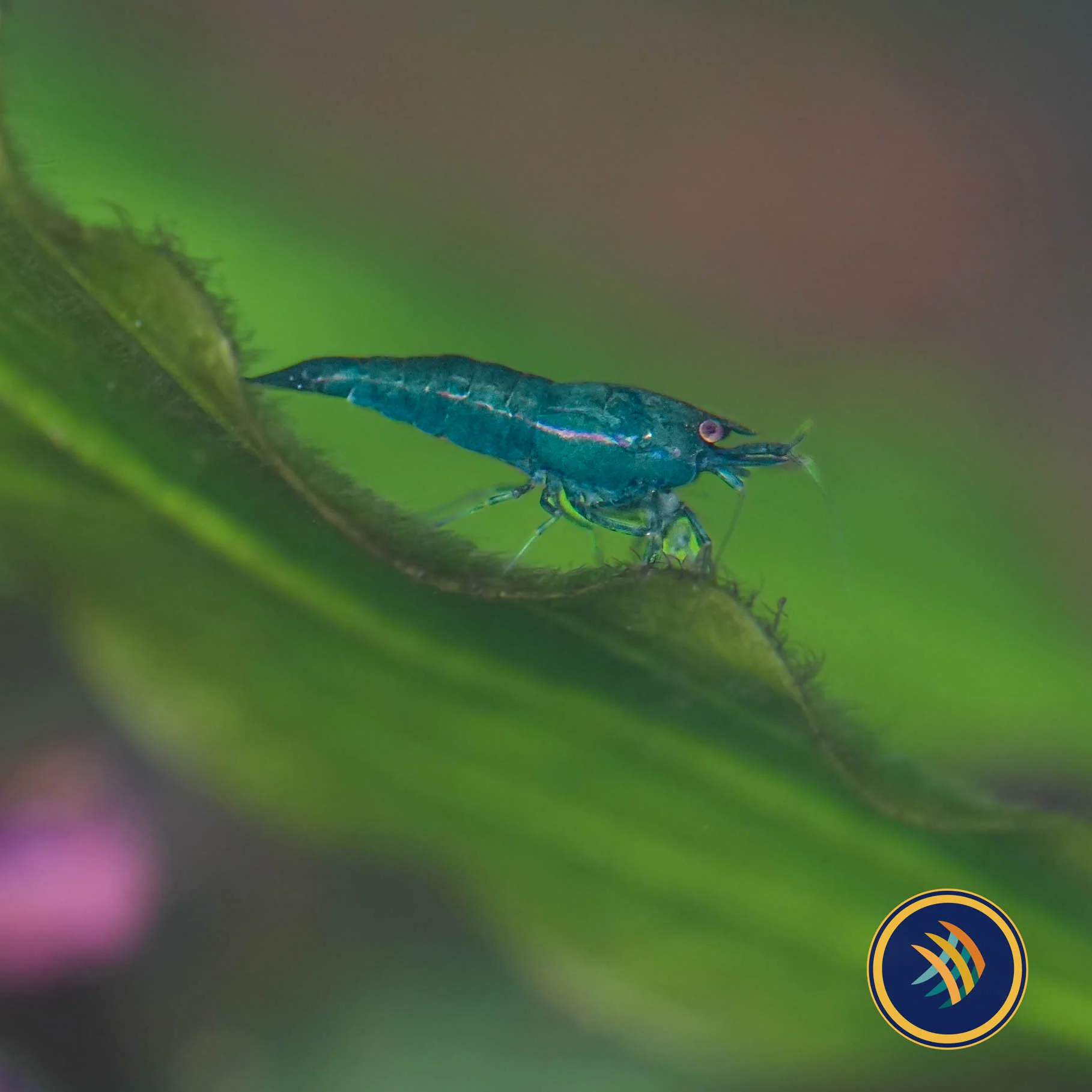
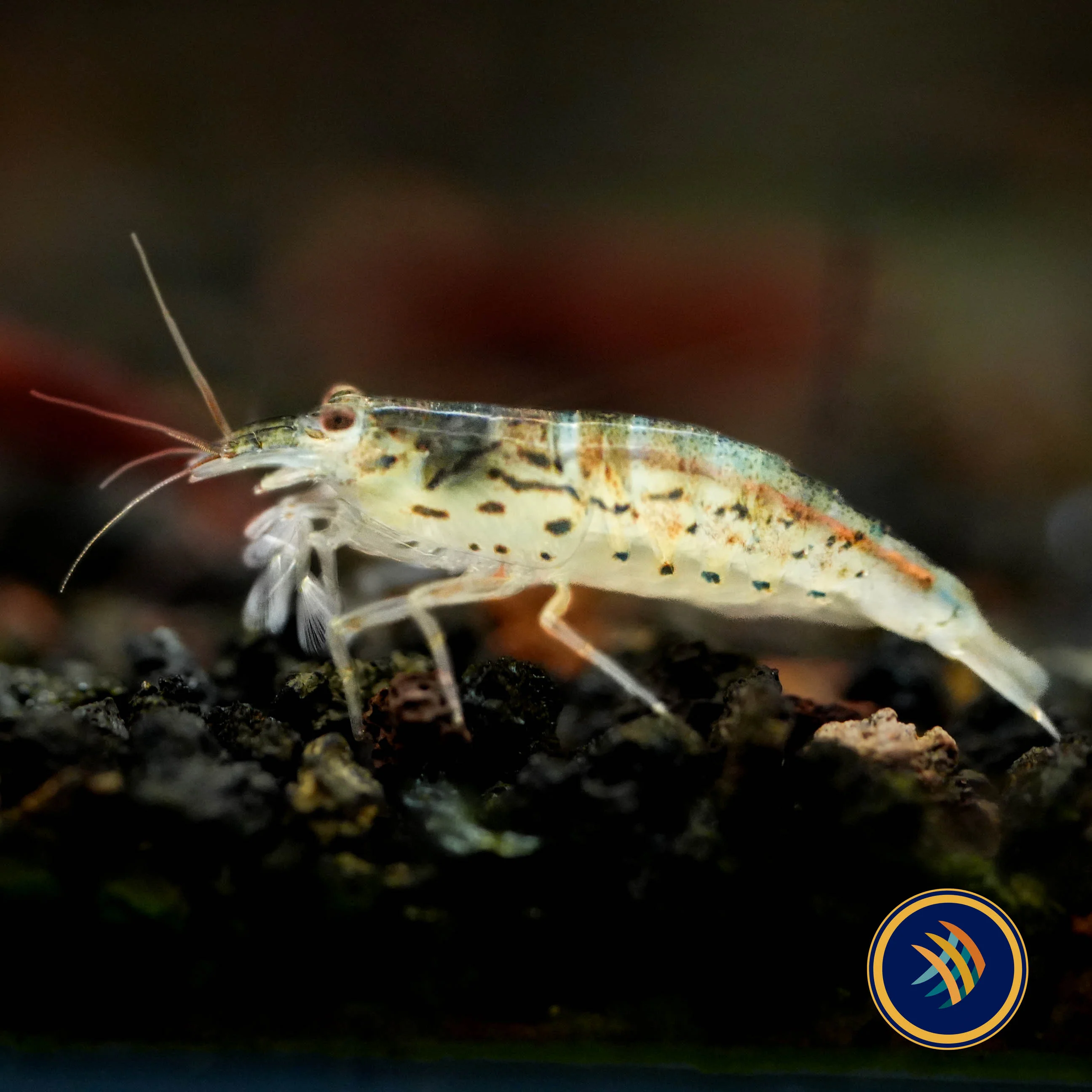
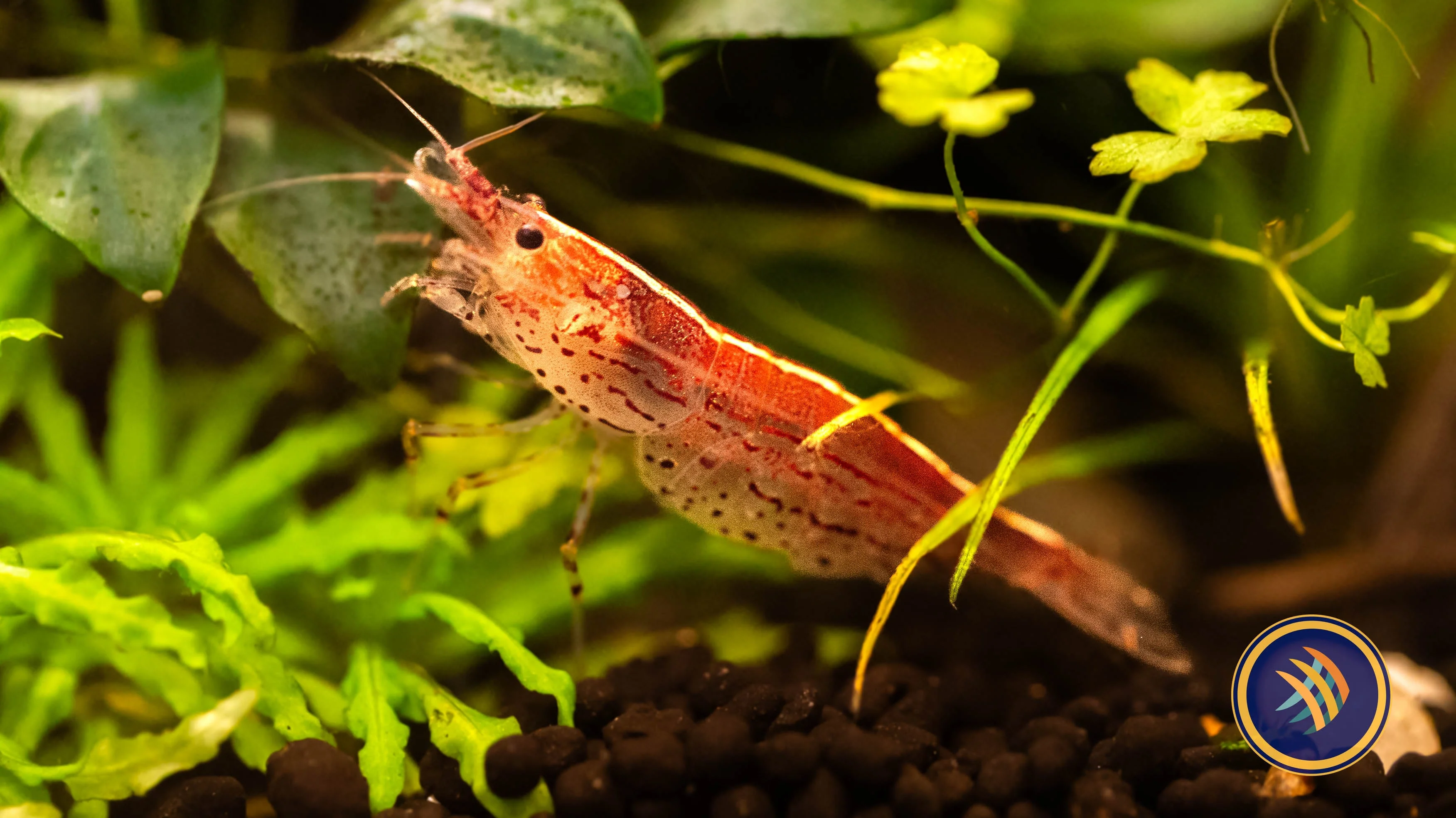
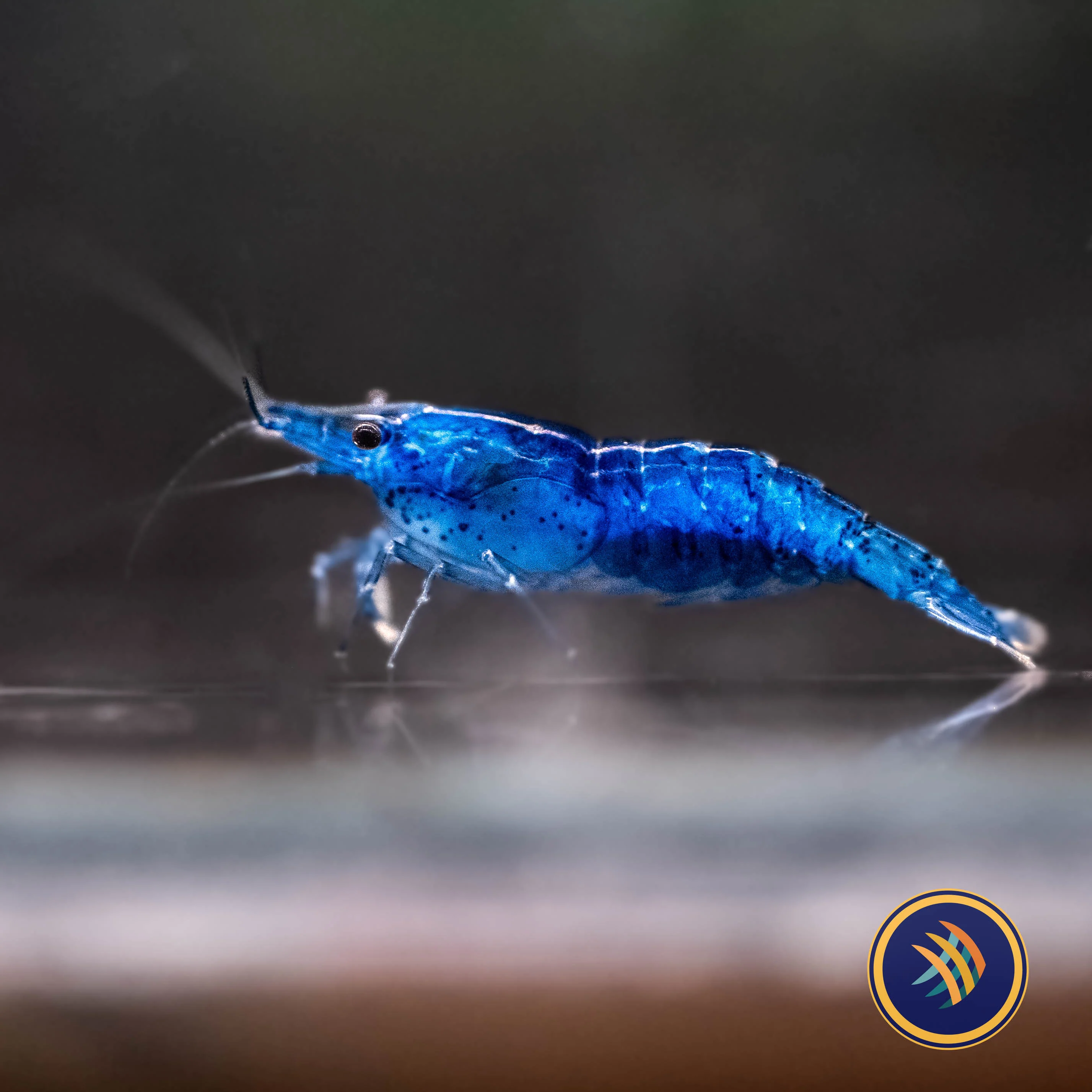
Sapphire shrimp are a selectively bred color morph of Neocaridina davidi, a popular freshwater dwarf shrimp species widely kept in aquariums. They’re especially valued for their deep blue to indigo coloration, which can appear almost metallic under good lighting.
Key Characteristics
- Scientific Name: Neocaridina davidi
- Common Name: Sapphire shrimp
- Size: ~2–3 cm (¾–1¼ inches)
- Lifespan: 1–2 years
- Color: Rich blue (ranging from lighter sapphire to darker navy tones)
- Temperament: Peaceful, non-aggressive
- Difficulty Level: Beginner-friendly
Care Requirements
Water Parameters
- Temperature: 20–26°C (68–78°F)
- pH: 6.5–7.5
- GH (General Hardness): 6–8 dGH
- KH: 2–5 dKH
- TDS: ~150–250 ppm
Consistency is more important than perfection, avoid sudden swings.
Tank Setup
- Tank Size: 5 gallons minimum (larger preferred for stability)
- Substrate: Dark substrate helps enhance their blue coloration
- Plants: Mosses (Java moss, Christmas moss), stem plants, floating plants
- Filtration: Sponge filter or intake with pre-filter to protect shrimplets
- Hiding Spots: Essential for molting and young shrimp survival
Feeding
Sapphire shrimp are omnivorous scavengers:
- Biofilm and algae (primary diet)
- High-quality shrimp pellets or wafers
- Blanched vegetables (zucchini, spinach, cucumber)
- Occasional protein (once or twice a week)
Avoid overfeeding—small amounts 2–3 times per week is enough in established tanks.
Breeding
- Very easy to breed in stable freshwater setups
- No special conditions needed (no saltwater stage)
- Females carry eggs (“berried”) under their abdomen
- Hatchlings (shrimplets) are miniature versions of adults
Note: To maintain the deep sapphire coloration, selective breeding is important. Otherwise, offspring may revert to wild-type (brownish/clear).
Tank Mates
- Best kept in species-only tanks
- Safe with:
- Small, peaceful fish (e.g., chili rasboras, otocinclus)
- Snails
- Avoid:
- Larger or aggressive fish (they’ll eat shrimp or babies)
Common Issues
- Color fading: Poor genetics, stress, or unsuitable substrate
- Molting problems: Usually due to mineral imbalance (GH/KH too low or high)
Pro Tips
- Add leaf litter (Indian almond leaves) for biofilm and natural tannins
- Stability is key,shrimp are sensitive to rapid changes
- A well-established tank (cycled for several weeks) is critical
Sapphire Shrimp (Neocaridina davidi)
Sapphire shrimp are a selectively bred color morph of Neocaridina davidi, a popular freshwater dwarf shrimp species widely kept in aquariums. They’re especially valued for their deep blue to indigo coloration, which can appear almost metallic under good lighting.
Key Characteristics
- Scientific Name: Neocaridina davidi
- Common Name: Sapphire shrimp
- Size: ~2–3 cm (¾–1¼ inches)
- Lifespan: 1–2 years
- Color: Rich blue (ranging from lighter sapphire to darker navy tones)
- Temperament: Peaceful, non-aggressive
- Difficulty Level: Beginner-friendly
Care Requirements
Water Parameters
- Temperature: 20–26°C (68–78°F)
- pH: 6.5–7.5
- GH (General Hardness): 6–8 dGH
- KH: 2–5 dKH
- TDS: ~150–250 ppm
Consistency is more important than perfection, avoid sudden swings.
Tank Setup
- Tank Size: 5 gallons minimum (larger preferred for stability)
- Substrate: Dark substrate helps enhance their blue coloration
- Plants: Mosses (Java moss, Christmas moss), stem plants, floating plants
- Filtration: Sponge filter or intake with pre-filter to protect shrimplets
- Hiding Spots: Essential for molting and young shrimp survival
Feeding
Sapphire shrimp are omnivorous scavengers:
- Biofilm and algae (primary diet)
- High-quality shrimp pellets or wafers
- Blanched vegetables (zucchini, spinach, cucumber)
- Occasional protein (once or twice a week)
Avoid overfeeding—small amounts 2–3 times per week is enough in established tanks.
Breeding
- Very easy to breed in stable freshwater setups
- No special conditions needed (no saltwater stage)
- Females carry eggs (“berried”) under their abdomen
- Hatchlings (shrimplets) are miniature versions of adults
Note: To maintain the deep sapphire coloration, selective breeding is important. Otherwise, offspring may revert to wild-type (brownish/clear).
Tank Mates
- Best kept in species-only tanks
- Safe with:
- Small, peaceful fish (e.g., chili rasboras, otocinclus)
- Snails
- Avoid:
- Larger or aggressive fish (they’ll eat shrimp or babies)
Common Issues
- Color fading: Poor genetics, stress, or unsuitable substrate
- Molting problems: Usually due to mineral imbalance (GH/KH too low or high)
Pro Tips
- Add leaf litter (Indian almond leaves) for biofilm and natural tannins
- Stability is key,shrimp are sensitive to rapid changes
- A well-established tank (cycled for several weeks) is critical
Description
Sapphire Shrimp (Neocaridina davidi)
Sapphire shrimp are a selectively bred color morph of Neocaridina davidi, a popular freshwater dwarf shrimp species widely kept in aquariums. They’re especially valued for their deep blue to indigo coloration, which can appear almost metallic under good lighting.
Key Characteristics
- Scientific Name: Neocaridina davidi
- Common Name: Sapphire shrimp
- Size: ~2–3 cm (¾–1¼ inches)
- Lifespan: 1–2 years
- Color: Rich blue (ranging from lighter sapphire to darker navy tones)
- Temperament: Peaceful, non-aggressive
- Difficulty Level: Beginner-friendly
Care Requirements
Water Parameters
- Temperature: 20–26°C (68–78°F)
- pH: 6.5–7.5
- GH (General Hardness): 6–8 dGH
- KH: 2–5 dKH
- TDS: ~150–250 ppm
Consistency is more important than perfection, avoid sudden swings.
Tank Setup
- Tank Size: 5 gallons minimum (larger preferred for stability)
- Substrate: Dark substrate helps enhance their blue coloration
- Plants: Mosses (Java moss, Christmas moss), stem plants, floating plants
- Filtration: Sponge filter or intake with pre-filter to protect shrimplets
- Hiding Spots: Essential for molting and young shrimp survival
Feeding
Sapphire shrimp are omnivorous scavengers:
- Biofilm and algae (primary diet)
- High-quality shrimp pellets or wafers
- Blanched vegetables (zucchini, spinach, cucumber)
- Occasional protein (once or twice a week)
Avoid overfeeding—small amounts 2–3 times per week is enough in established tanks.
Breeding
- Very easy to breed in stable freshwater setups
- No special conditions needed (no saltwater stage)
- Females carry eggs (“berried”) under their abdomen
- Hatchlings (shrimplets) are miniature versions of adults
Note: To maintain the deep sapphire coloration, selective breeding is important. Otherwise, offspring may revert to wild-type (brownish/clear).
Tank Mates
- Best kept in species-only tanks
- Safe with:
- Small, peaceful fish (e.g., chili rasboras, otocinclus)
- Snails
- Avoid:
- Larger or aggressive fish (they’ll eat shrimp or babies)
Common Issues
- Color fading: Poor genetics, stress, or unsuitable substrate
- Molting problems: Usually due to mineral imbalance (GH/KH too low or high)
Pro Tips
- Add leaf litter (Indian almond leaves) for biofilm and natural tannins
- Stability is key,shrimp are sensitive to rapid changes
- A well-established tank (cycled for several weeks) is critical