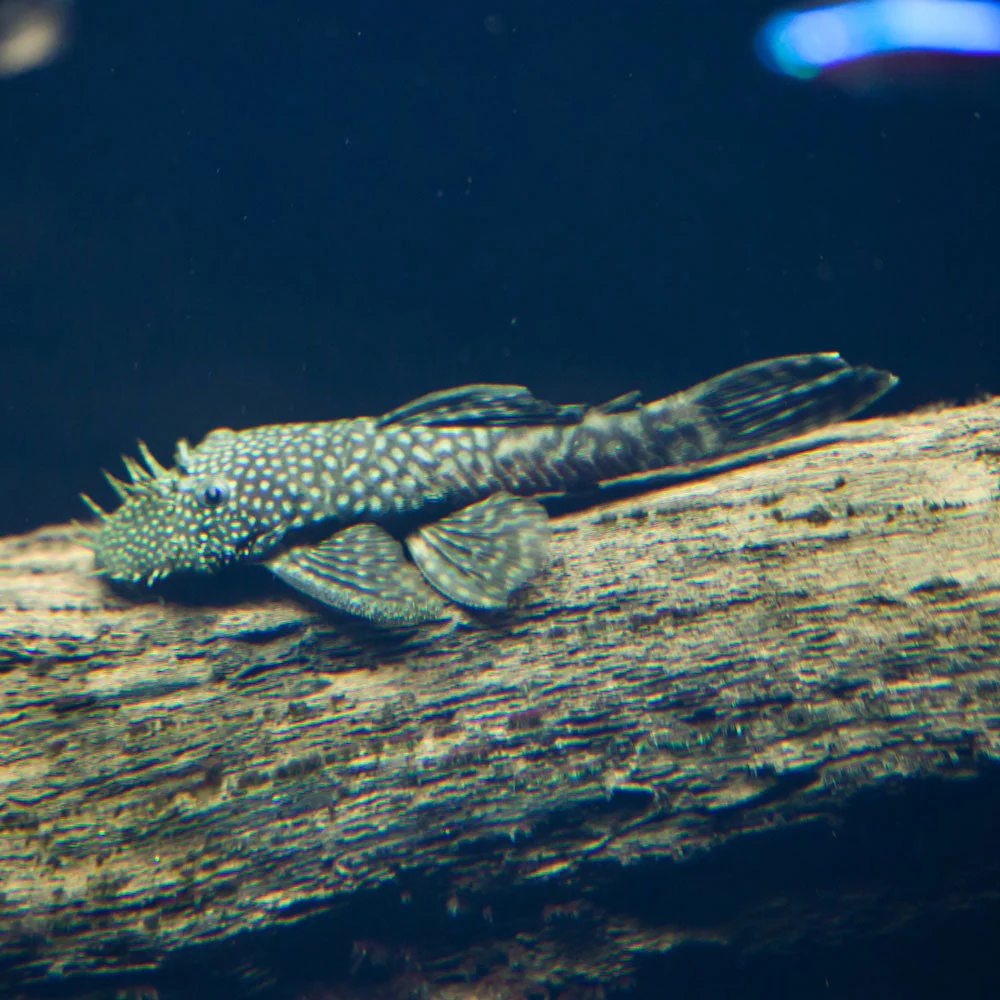
Pygmy Corydoras (Corydoras pygmaeus)
Pygmy Corydoras (Corydoras pygmaeus) are one of the smallest and most distinctive Corydoras species, prized for their peaceful nature, schooling behavior, and suitability for nano aquariums.
Quick Overview
- Common name: Pygmy Corydoras
- Scientific name: Corydoras pygmaeus
- Adult size: ~0.75–1 inch (2–2.5 cm)
- Lifespan: 3–5 years (often longer with excellent care)
- Origin: Brazil (Madeira River basin)
- Temperament: Very peaceful, schooling fish
Unique Behavior
Unlike most Corydoras that stay on the bottom, Pygmy Corydoras spend much of their time mid‑water, frequently schooling like small tetras and darting up to rest on plant leaves or hardscape. This makes them visually active throughout the tank.
Tank Requirements
Tank Size
- Minimum: 10 gallons
- Ideal: 15–20 gallons+ for natural schooling behavior
Water Parameters
- Temperature: 72–79°F (22–26°C)
- pH: 6.0–7.5
- Hardness: Soft to moderately hard
- Flow: Gentle to moderate
Stable, clean water is essential—these fish are sensitive to poor water quality.
Substrate & Aquascape
- Substrate: Fine sand or very smooth gravel
- Plants: Live plants strongly recommended (crypts, moss, stem plants, floating plants)
- Cover: Driftwood, rocks, and leaf litter help reduce stress
Avoid sharp substrates—like all Corydoras, they have delicate barbels.
Social Needs
- Schooling fish: Keep at least 6, ideally 8–12+
- Larger groups are noticeably more confident and active
- Never keep singly or in pairs
Tank Mates
Excellent with other small, peaceful species:
- Chili / Ember Rasboras
- Small tetras
- Otocinclus
- Dwarf shrimp (generally safe; may eat shrimplets opportunistically)
- Small snails
Avoid:
- Aggressive fish
- Large, boisterous species
- Fin‑nippers
Diet
Omnivorous, with a preference for small foods.
Ideal foods include:
- Micro sinking pellets or wafers
- Frozen foods (baby brine shrimp, daphnia, cyclops)
- Live foods (microworms, baby brine shrimp)
- Occasional high-quality flakes (sunk or soaked)
Feed small portions 1–2× daily—they have tiny stomachs.
Breeding Notes (Brief)
- Possible in home aquariums but not automatic
- Triggered by cool water changes and heavy feeding
- Eggs are laid on glass or plants
- Adults may eat eggs → separate eggs if breeding intentionally
Common Mistakes to Avoid
- Keeping too few (leads to stress and hiding)
- Strong filter flow without calm areas
- Rough or sharp substrate
- Assuming they only feed off leftovers
Pygmy Corydoras (Corydoras pygmaeus)
Pygmy Corydoras (Corydoras pygmaeus) are one of the smallest and most distinctive Corydoras species, prized for their peaceful nature, schooling behavior, and suitability for nano aquariums.
Quick Overview
- Common name: Pygmy Corydoras
- Scientific name: Corydoras pygmaeus
- Adult size: ~0.75–1 inch (2–2.5 cm)
- Lifespan: 3–5 years (often longer with excellent care)
- Origin: Brazil (Madeira River basin)
- Temperament: Very peaceful, schooling fish
Unique Behavior
Unlike most Corydoras that stay on the bottom, Pygmy Corydoras spend much of their time mid‑water, frequently schooling like small tetras and darting up to rest on plant leaves or hardscape. This makes them visually active throughout the tank.
Tank Requirements
Tank Size
- Minimum: 10 gallons
- Ideal: 15–20 gallons+ for natural schooling behavior
Water Parameters
- Temperature: 72–79°F (22–26°C)
- pH: 6.0–7.5
- Hardness: Soft to moderately hard
- Flow: Gentle to moderate
Stable, clean water is essential—these fish are sensitive to poor water quality.
Substrate & Aquascape
- Substrate: Fine sand or very smooth gravel
- Plants: Live plants strongly recommended (crypts, moss, stem plants, floating plants)
- Cover: Driftwood, rocks, and leaf litter help reduce stress
Avoid sharp substrates—like all Corydoras, they have delicate barbels.
Social Needs
- Schooling fish: Keep at least 6, ideally 8–12+
- Larger groups are noticeably more confident and active
- Never keep singly or in pairs
Tank Mates
Excellent with other small, peaceful species:
- Chili / Ember Rasboras
- Small tetras
- Otocinclus
- Dwarf shrimp (generally safe; may eat shrimplets opportunistically)
- Small snails
Avoid:
- Aggressive fish
- Large, boisterous species
- Fin‑nippers
Diet
Omnivorous, with a preference for small foods.
Ideal foods include:
- Micro sinking pellets or wafers
- Frozen foods (baby brine shrimp, daphnia, cyclops)
- Live foods (microworms, baby brine shrimp)
- Occasional high-quality flakes (sunk or soaked)
Feed small portions 1–2× daily—they have tiny stomachs.
Breeding Notes (Brief)
- Possible in home aquariums but not automatic
- Triggered by cool water changes and heavy feeding
- Eggs are laid on glass or plants
- Adults may eat eggs → separate eggs if breeding intentionally
Common Mistakes to Avoid
- Keeping too few (leads to stress and hiding)
- Strong filter flow without calm areas
- Rough or sharp substrate
- Assuming they only feed off leftovers
Pygmy Corydoras (Corydoras pygmaeus)
Description
Pygmy Corydoras (Corydoras pygmaeus) are one of the smallest and most distinctive Corydoras species, prized for their peaceful nature, schooling behavior, and suitability for nano aquariums.
Quick Overview
- Common name: Pygmy Corydoras
- Scientific name: Corydoras pygmaeus
- Adult size: ~0.75–1 inch (2–2.5 cm)
- Lifespan: 3–5 years (often longer with excellent care)
- Origin: Brazil (Madeira River basin)
- Temperament: Very peaceful, schooling fish
Unique Behavior
Unlike most Corydoras that stay on the bottom, Pygmy Corydoras spend much of their time mid‑water, frequently schooling like small tetras and darting up to rest on plant leaves or hardscape. This makes them visually active throughout the tank.
Tank Requirements
Tank Size
- Minimum: 10 gallons
- Ideal: 15–20 gallons+ for natural schooling behavior
Water Parameters
- Temperature: 72–79°F (22–26°C)
- pH: 6.0–7.5
- Hardness: Soft to moderately hard
- Flow: Gentle to moderate
Stable, clean water is essential—these fish are sensitive to poor water quality.
Substrate & Aquascape
- Substrate: Fine sand or very smooth gravel
- Plants: Live plants strongly recommended (crypts, moss, stem plants, floating plants)
- Cover: Driftwood, rocks, and leaf litter help reduce stress
Avoid sharp substrates—like all Corydoras, they have delicate barbels.
Social Needs
- Schooling fish: Keep at least 6, ideally 8–12+
- Larger groups are noticeably more confident and active
- Never keep singly or in pairs
Tank Mates
Excellent with other small, peaceful species:
- Chili / Ember Rasboras
- Small tetras
- Otocinclus
- Dwarf shrimp (generally safe; may eat shrimplets opportunistically)
- Small snails
Avoid:
- Aggressive fish
- Large, boisterous species
- Fin‑nippers
Diet
Omnivorous, with a preference for small foods.
Ideal foods include:
- Micro sinking pellets or wafers
- Frozen foods (baby brine shrimp, daphnia, cyclops)
- Live foods (microworms, baby brine shrimp)
- Occasional high-quality flakes (sunk or soaked)
Feed small portions 1–2× daily—they have tiny stomachs.
Breeding Notes (Brief)
- Possible in home aquariums but not automatic
- Triggered by cool water changes and heavy feeding
- Eggs are laid on glass or plants
- Adults may eat eggs → separate eggs if breeding intentionally
Common Mistakes to Avoid
- Keeping too few (leads to stress and hiding)
- Strong filter flow without calm areas
- Rough or sharp substrate
- Assuming they only feed off leftovers
Pygmy Corydoras (Corydoras pygmaeus)