1 / 5
Purple Harlequin Rasbora (Trigonostigma heteromorpha)
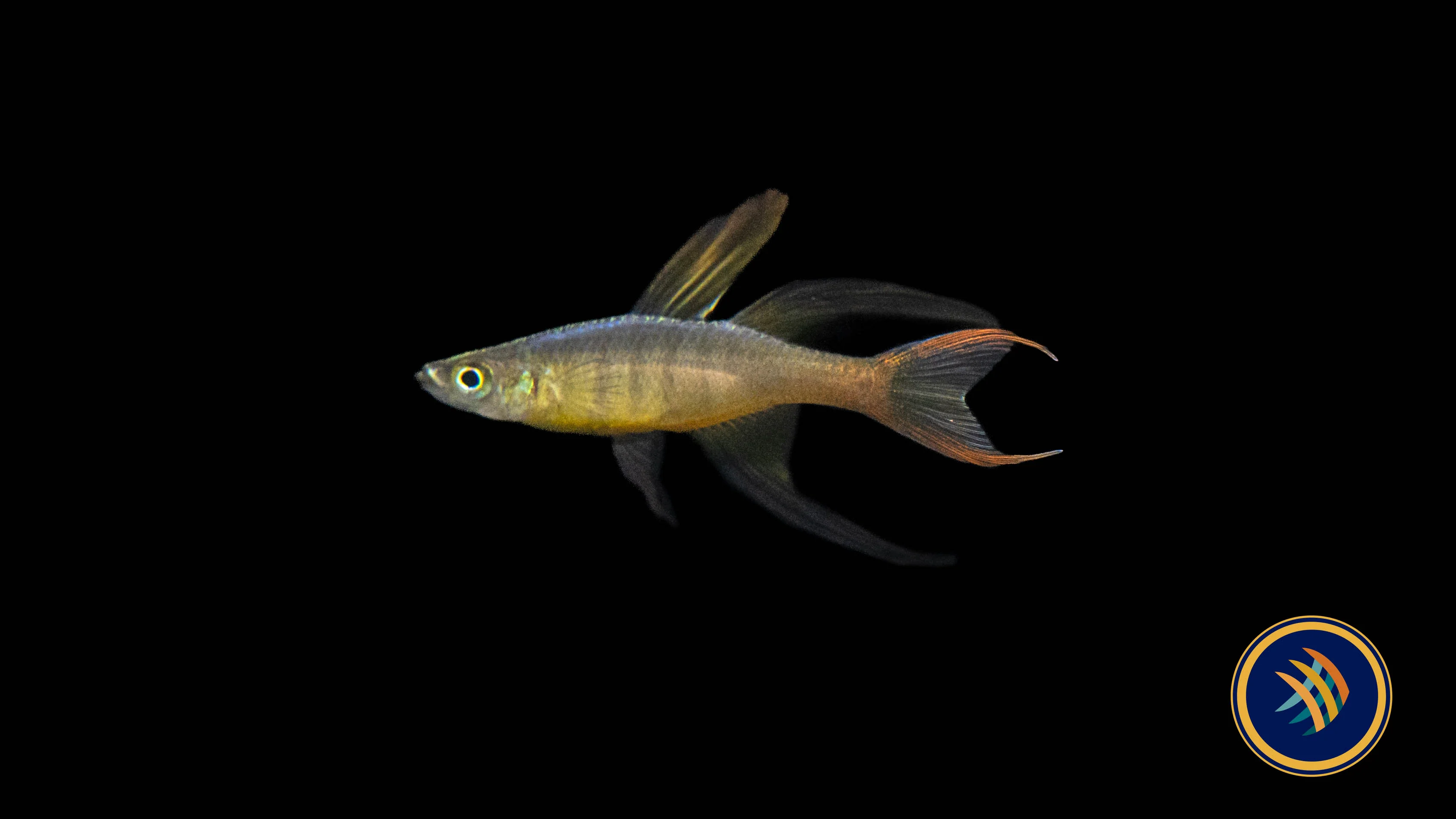
Purple Harlequin Rasbora (Trigonostigma heteromorpha) is a selectively bred variant of the classic Harlequin Rasbora, known for its darker, more dramatic coloration and peaceful nature.
Description
- Coloration: This variant features a deep purple to black body tone, especially as it matures, with the signature black triangular patch near the tail. The darker hues are a result of selective breeding and are more pronounced than in wild-type Harlequins
- Size: Typically reaches about 1 inch (2.5 cm) in length
- Behavior: Peaceful, schooling fish that thrive in groups of 10 or more. They exhibit synchronized swimming and are ideal for planted or nano tanks
Tank Setup
- Tank Size: Minimum 10 gallons for a small school
-
Water Parameters:
- Temperature: 76–80°F (24–27°C)
- pH: 6.8–7.8
- Ammonia/Nitrite: 0 ppm
- Nitrate: <30 ppm
-
Aquascape:
- Mimic their natural habitat: slow-moving streams with sandy substrate, tannin-stained water, and dense aquatic vegetation
- Use driftwood and leaf litter to enhance comfort and coloration.
Diet
- Type: Omnivore and micropredator
-
Feeding:
- Accepts flakes, micro pellets, and frozen foods.
- Enjoys live foods like daphnia, brine shrimp, and mosquito larvae
Breeding
- Method: Egg layers
-
Spawning Behavior:
- Females lay eggs on the underside of broad leaves.
- Males fertilize externally during the process
-
Tips:
- Use soft, acidic water and dim lighting.
- Remove adults post-spawning to protect eggs.
- Eggs hatch in ~18 hours at 28°C; fry become free-swimming in 1–2 days
Tankmates
- Compatibility: Peaceful with similarly sized fish.
-
Ideal Companions:
- Neon tetras, guppies, corydoras, dwarf gouramis, cherry barbs, and other small community fish
Purple Harlequin Rasbora (Trigonostigma heteromorpha) is a selectively bred variant of the classic Harlequin Rasbora, known for its darker, more dramatic coloration and peaceful nature.
Description
- Coloration: This variant features a deep purple to black body tone, especially as it matures, with the signature black triangular patch near the tail. The darker hues are a result of selective breeding and are more pronounced than in wild-type Harlequins
- Size: Typically reaches about 1 inch (2.5 cm) in length
- Behavior: Peaceful, schooling fish that thrive in groups of 10 or more. They exhibit synchronized swimming and are ideal for planted or nano tanks
Tank Setup
- Tank Size: Minimum 10 gallons for a small school
-
Water Parameters:
- Temperature: 76–80°F (24–27°C)
- pH: 6.8–7.8
- Ammonia/Nitrite: 0 ppm
- Nitrate: <30 ppm
-
Aquascape:
- Mimic their natural habitat: slow-moving streams with sandy substrate, tannin-stained water, and dense aquatic vegetation
- Use driftwood and leaf litter to enhance comfort and coloration.
Diet
- Type: Omnivore and micropredator
-
Feeding:
- Accepts flakes, micro pellets, and frozen foods.
- Enjoys live foods like daphnia, brine shrimp, and mosquito larvae
Breeding
- Method: Egg layers
-
Spawning Behavior:
- Females lay eggs on the underside of broad leaves.
- Males fertilize externally during the process
-
Tips:
- Use soft, acidic water and dim lighting.
- Remove adults post-spawning to protect eggs.
- Eggs hatch in ~18 hours at 28°C; fry become free-swimming in 1–2 days
Tankmates
- Compatibility: Peaceful with similarly sized fish.
-
Ideal Companions:
- Neon tetras, guppies, corydoras, dwarf gouramis, cherry barbs, and other small community fish
$2.47
Original: $7.06
-65%Purple Harlequin Rasbora (Trigonostigma heteromorpha)—
$7.06
$2.47Description
Purple Harlequin Rasbora (Trigonostigma heteromorpha) is a selectively bred variant of the classic Harlequin Rasbora, known for its darker, more dramatic coloration and peaceful nature.
Description
- Coloration: This variant features a deep purple to black body tone, especially as it matures, with the signature black triangular patch near the tail. The darker hues are a result of selective breeding and are more pronounced than in wild-type Harlequins
- Size: Typically reaches about 1 inch (2.5 cm) in length
- Behavior: Peaceful, schooling fish that thrive in groups of 10 or more. They exhibit synchronized swimming and are ideal for planted or nano tanks
Tank Setup
- Tank Size: Minimum 10 gallons for a small school
-
Water Parameters:
- Temperature: 76–80°F (24–27°C)
- pH: 6.8–7.8
- Ammonia/Nitrite: 0 ppm
- Nitrate: <30 ppm
-
Aquascape:
- Mimic their natural habitat: slow-moving streams with sandy substrate, tannin-stained water, and dense aquatic vegetation
- Use driftwood and leaf litter to enhance comfort and coloration.
Diet
- Type: Omnivore and micropredator
-
Feeding:
- Accepts flakes, micro pellets, and frozen foods.
- Enjoys live foods like daphnia, brine shrimp, and mosquito larvae
Breeding
- Method: Egg layers
-
Spawning Behavior:
- Females lay eggs on the underside of broad leaves.
- Males fertilize externally during the process
-
Tips:
- Use soft, acidic water and dim lighting.
- Remove adults post-spawning to protect eggs.
- Eggs hatch in ~18 hours at 28°C; fry become free-swimming in 1–2 days
Tankmates
- Compatibility: Peaceful with similarly sized fish.
-
Ideal Companions:
- Neon tetras, guppies, corydoras, dwarf gouramis, cherry barbs, and other small community fish