1 / 2
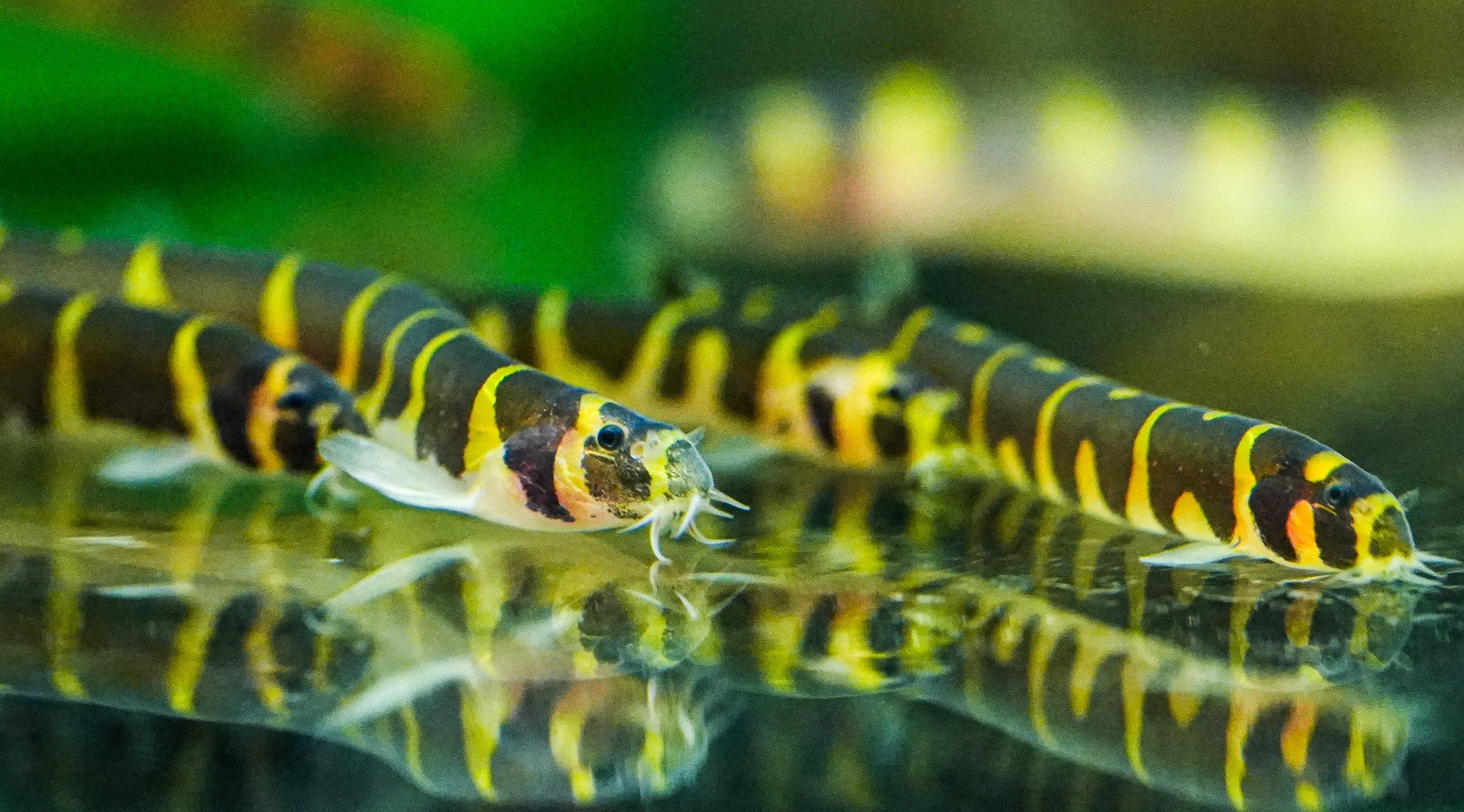
Kuhli Loach (Pangio kuhlii)
Kuhli Loach (Pangio kuhlii)
Species Overview
- Scientific Name: Pangio kuhlii
- Common Names: Kuhli Loach, Coolie Loach, Leopard Loach
- Origin: Southeast Asia (Indonesia, Malaysia, Thailand)
- Adult Size: Up to 10 cm (4 in)
- Current Size: ~5 cm (juvenile)
- Lifespan: 8–10 years
- Temperament: Peaceful, shy, nocturnal
- Care Level: Easy to moderate
Tank Requirements
-
Minimum Tank Size:
- Single: 10 gallons
- Group (recommended): 20 gallons or more
- Substrate: Fine sand (protects delicate barbels)
-
Décor:
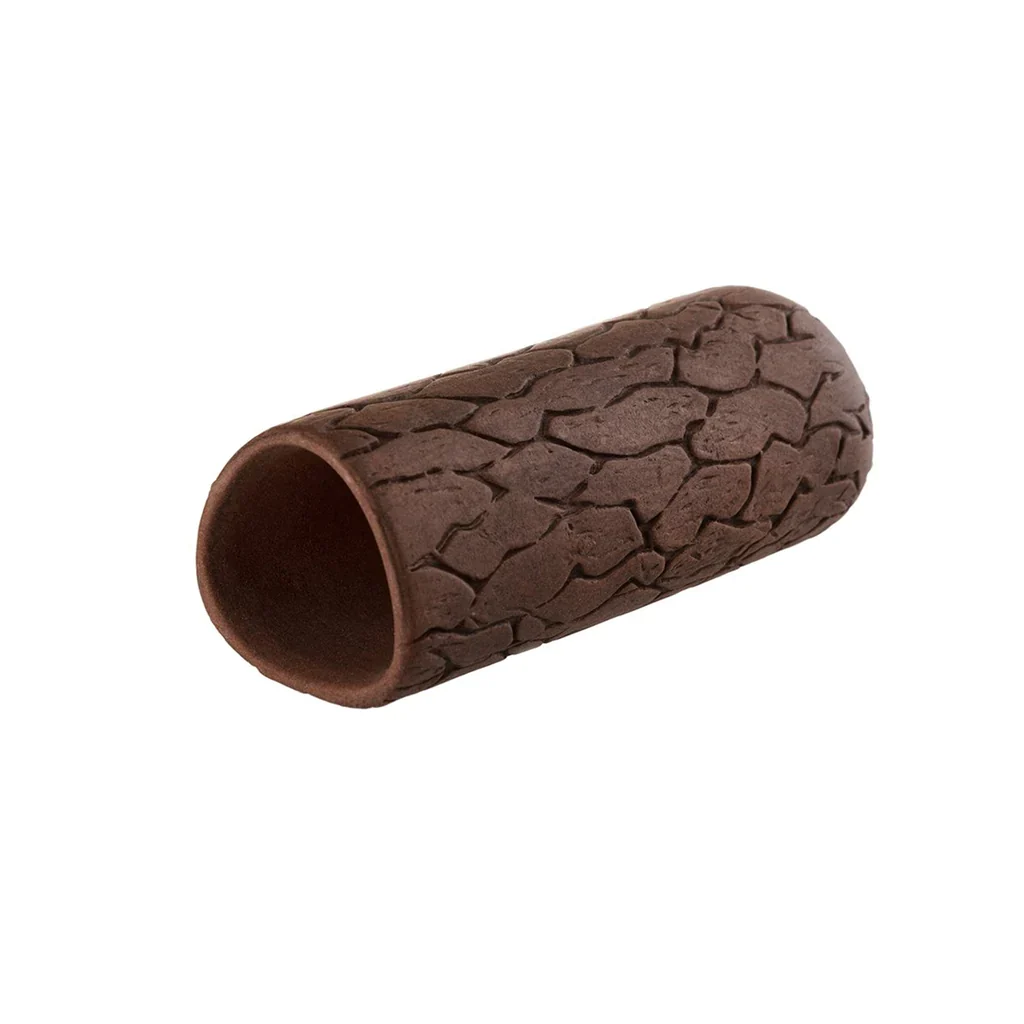
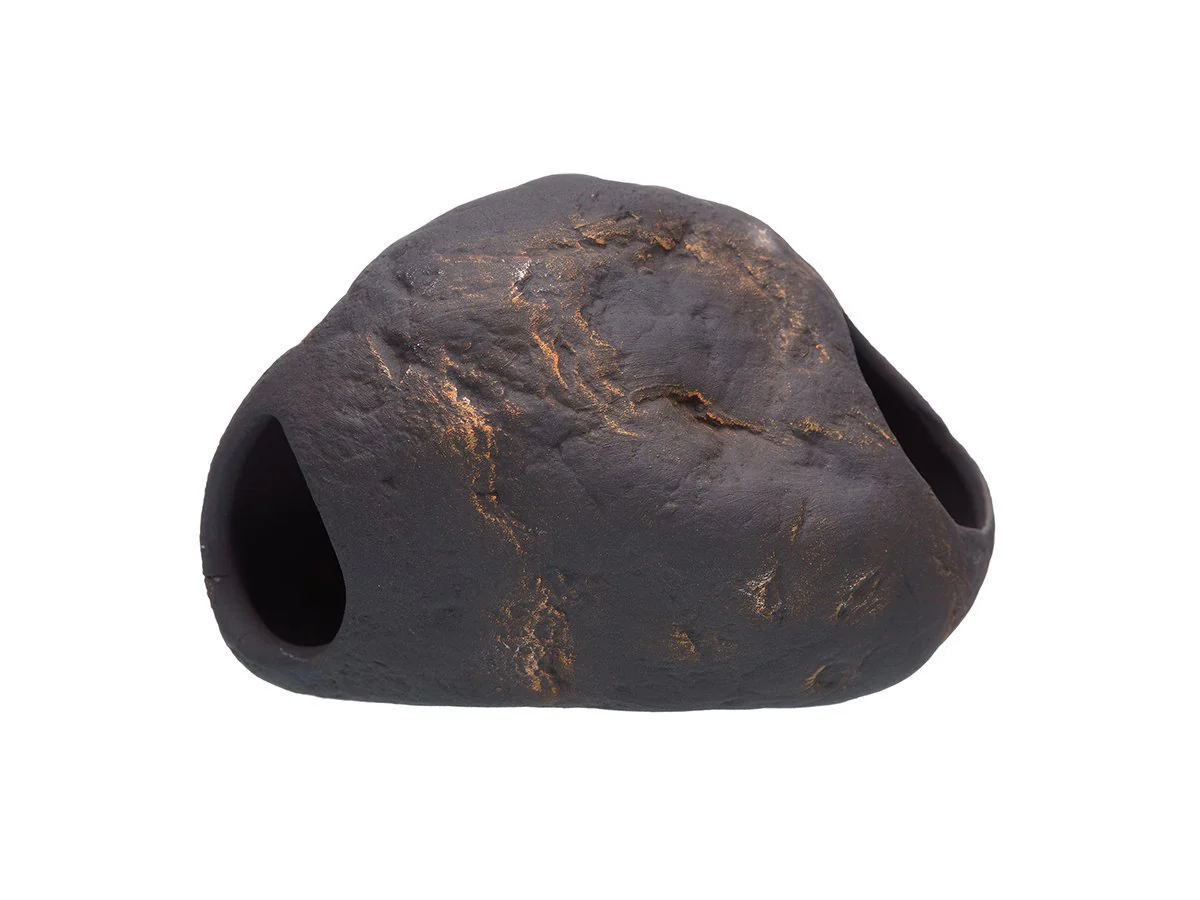
- Dense planting, driftwood, caves, leaf litter
- Smooth surfaces to avoid injury
-
Water Parameters:
- Temperature: 74–80°F (23–27°C)
- pH: 5.5–7.0
- Hardness: 1–10 dGH
- Lighting: Subdued
- Filtration: Gentle flow; cover intakes (they explore crevices)
- Cover: Tight lid—Kuhlis are escape artists
Diet & Feeding
- Type: Omnivore
-
Preferred Foods:
- Sinking pellets and wafers
- Frozen/live: Bloodworms, brine shrimp, blackworms, daphnia
- Occasional blanched vegetables (zucchini, spinach)
-
Feeding Tips:
- Feed at night or in shaded areas (they’re nocturnal)
- Rotate diet for balanced nutrition
- Avoid relying on leftovers—they need targeted feeding [
Behavior & Compatibility
- Social Needs: Best in groups of 4–6 for confidence
-
Tankmates:
- Peaceful species: Tetras, Rasboras, Corydoras, small Gouramis
- Avoid aggressive fish or large predators
-
Notes:
- Safe with plants
- May eat shrimp fry; adult shrimp usually safe
Breeding
- Difficulty: High (rare in home aquariums)
-
Conditions:
- Dim lighting, soft acidic water (pH 5.5–6.5)
- Plenty of hiding spots
- Condition with high-protein foods
-
Spawning:
- Females develop greenish eggs
- Eggs scattered among plants or spawning mops
-
Fry Care:
- Extremely delicate; require micro foods (infusoria, baby brine shrimp)
Special Considerations
- Vulnerable to poor water quality—keep nitrates low
- Always provide hiding spaces to reduce stress
Kuhli Loach (Pangio kuhlii)
Species Overview
- Scientific Name: Pangio kuhlii
- Common Names: Kuhli Loach, Coolie Loach, Leopard Loach
- Origin: Southeast Asia (Indonesia, Malaysia, Thailand)
- Adult Size: Up to 10 cm (4 in)
- Current Size: ~5 cm (juvenile)
- Lifespan: 8–10 years
- Temperament: Peaceful, shy, nocturnal
- Care Level: Easy to moderate
Tank Requirements
-
Minimum Tank Size:
- Single: 10 gallons
- Group (recommended): 20 gallons or more
- Substrate: Fine sand (protects delicate barbels)
-
Décor:
- Dense planting, driftwood, caves, leaf litter
- Smooth surfaces to avoid injury
-
Water Parameters:
- Temperature: 74–80°F (23–27°C)
- pH: 5.5–7.0
- Hardness: 1–10 dGH
- Lighting: Subdued
- Filtration: Gentle flow; cover intakes (they explore crevices)
- Cover: Tight lid—Kuhlis are escape artists
Diet & Feeding
- Type: Omnivore
-
Preferred Foods:
- Sinking pellets and wafers
- Frozen/live: Bloodworms, brine shrimp, blackworms, daphnia
- Occasional blanched vegetables (zucchini, spinach)
-
Feeding Tips:
- Feed at night or in shaded areas (they’re nocturnal)
- Rotate diet for balanced nutrition
- Avoid relying on leftovers—they need targeted feeding [
Behavior & Compatibility
- Social Needs: Best in groups of 4–6 for confidence
-
Tankmates:
- Peaceful species: Tetras, Rasboras, Corydoras, small Gouramis
- Avoid aggressive fish or large predators
-
Notes:
- Safe with plants
- May eat shrimp fry; adult shrimp usually safe
Breeding
- Difficulty: High (rare in home aquariums)
-
Conditions:
- Dim lighting, soft acidic water (pH 5.5–6.5)
- Plenty of hiding spots
- Condition with high-protein foods
-
Spawning:
- Females develop greenish eggs
- Eggs scattered among plants or spawning mops
-
Fry Care:
- Extremely delicate; require micro foods (infusoria, baby brine shrimp)
Special Considerations
- Vulnerable to poor water quality—keep nitrates low
- Always provide hiding spaces to reduce stress
$1.48
Original: $4.23
-65%Kuhli Loach (Pangio kuhlii)—
$4.23
$1.48Description
Kuhli Loach (Pangio kuhlii)
Species Overview
- Scientific Name: Pangio kuhlii
- Common Names: Kuhli Loach, Coolie Loach, Leopard Loach
- Origin: Southeast Asia (Indonesia, Malaysia, Thailand)
- Adult Size: Up to 10 cm (4 in)
- Current Size: ~5 cm (juvenile)
- Lifespan: 8–10 years
- Temperament: Peaceful, shy, nocturnal
- Care Level: Easy to moderate
Tank Requirements
-
Minimum Tank Size:
- Single: 10 gallons
- Group (recommended): 20 gallons or more
- Substrate: Fine sand (protects delicate barbels)
-
Décor:
- Dense planting, driftwood, caves, leaf litter
- Smooth surfaces to avoid injury
-
Water Parameters:
- Temperature: 74–80°F (23–27°C)
- pH: 5.5–7.0
- Hardness: 1–10 dGH
- Lighting: Subdued
- Filtration: Gentle flow; cover intakes (they explore crevices)
- Cover: Tight lid—Kuhlis are escape artists
Diet & Feeding
- Type: Omnivore
-
Preferred Foods:
- Sinking pellets and wafers
- Frozen/live: Bloodworms, brine shrimp, blackworms, daphnia
- Occasional blanched vegetables (zucchini, spinach)
-
Feeding Tips:
- Feed at night or in shaded areas (they’re nocturnal)
- Rotate diet for balanced nutrition
- Avoid relying on leftovers—they need targeted feeding [
Behavior & Compatibility
- Social Needs: Best in groups of 4–6 for confidence
-
Tankmates:
- Peaceful species: Tetras, Rasboras, Corydoras, small Gouramis
- Avoid aggressive fish or large predators
-
Notes:
- Safe with plants
- May eat shrimp fry; adult shrimp usually safe
Breeding
- Difficulty: High (rare in home aquariums)
-
Conditions:
- Dim lighting, soft acidic water (pH 5.5–6.5)
- Plenty of hiding spots
- Condition with high-protein foods
-
Spawning:
- Females develop greenish eggs
- Eggs scattered among plants or spawning mops
-
Fry Care:
- Extremely delicate; require micro foods (infusoria, baby brine shrimp)
Special Considerations
- Vulnerable to poor water quality—keep nitrates low
- Always provide hiding spaces to reduce stress