Golden Dwarf Barb (Barbus Gelius) 2-3cm
Golden Dwarf Barb
Scientific name: Barbus gelius (often also listed as Puntius gelius)
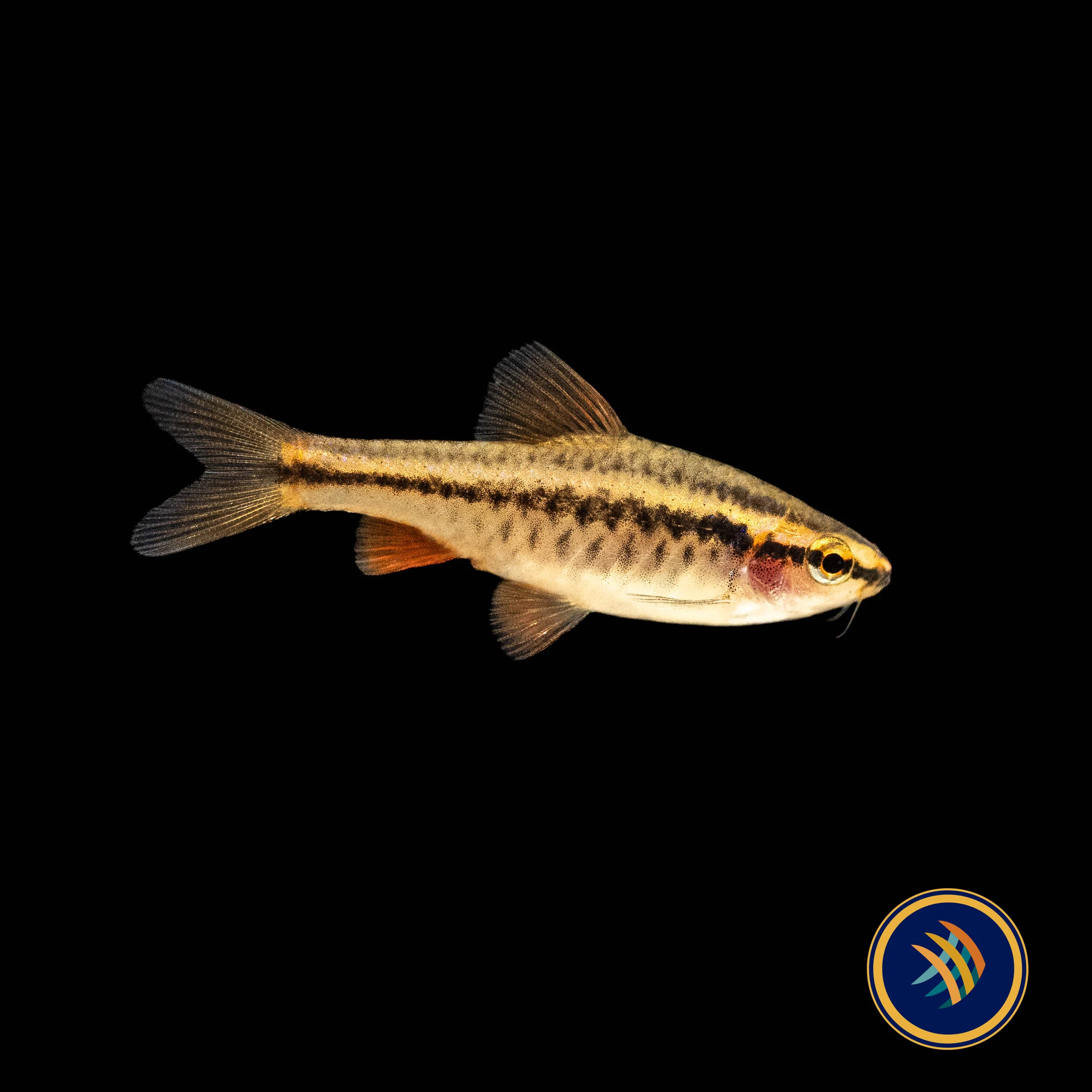
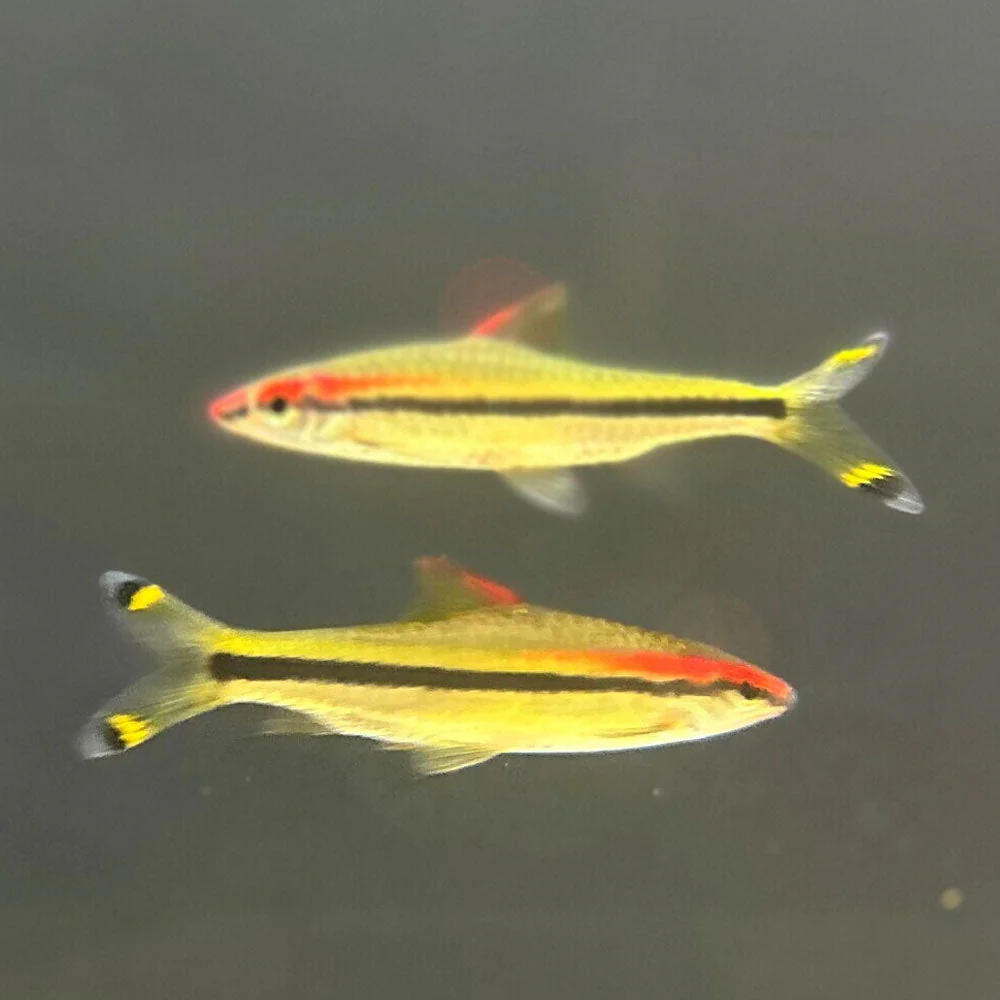
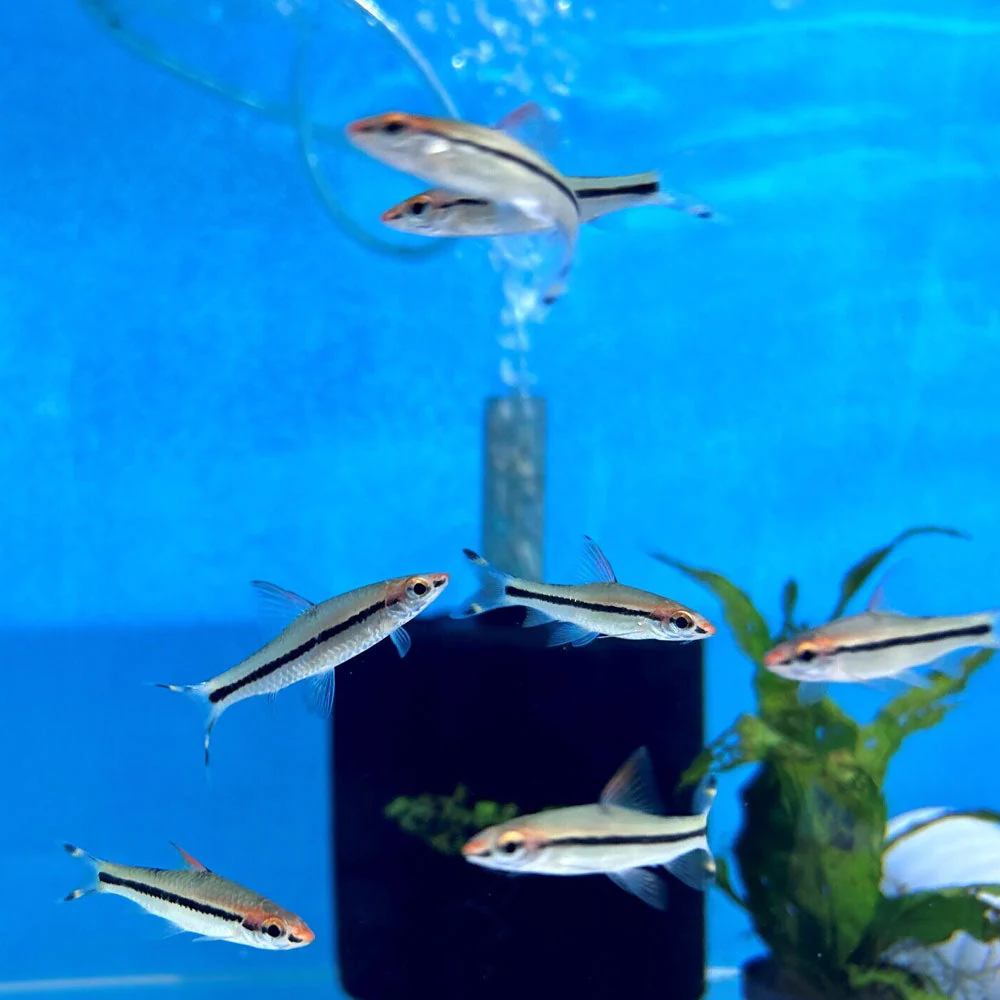
Golden Dwarf Barb is a small, peaceful cyprinid prized for its shimmering gold-and-black pattern and suitability for nano and planted aquariums.
Quick Profile
- Adult size: ~1.5–2 cm (0.6–0.8 in)
- Lifespan: 4–6 years
- Temperament: Peaceful, schooling
- Origin: Northern India (slow-moving streams, ponds)
- Swimming level: Mid-water
Appearance
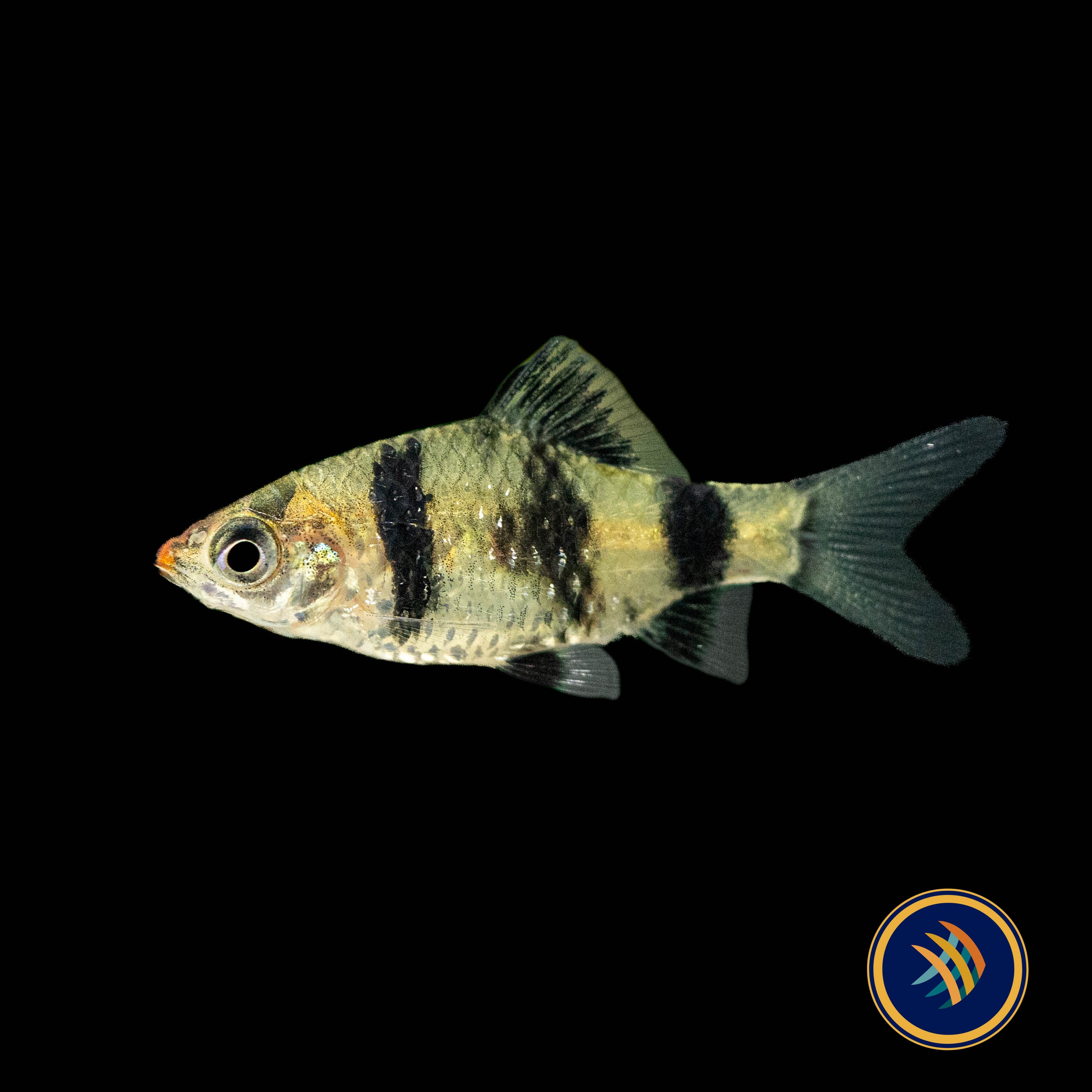
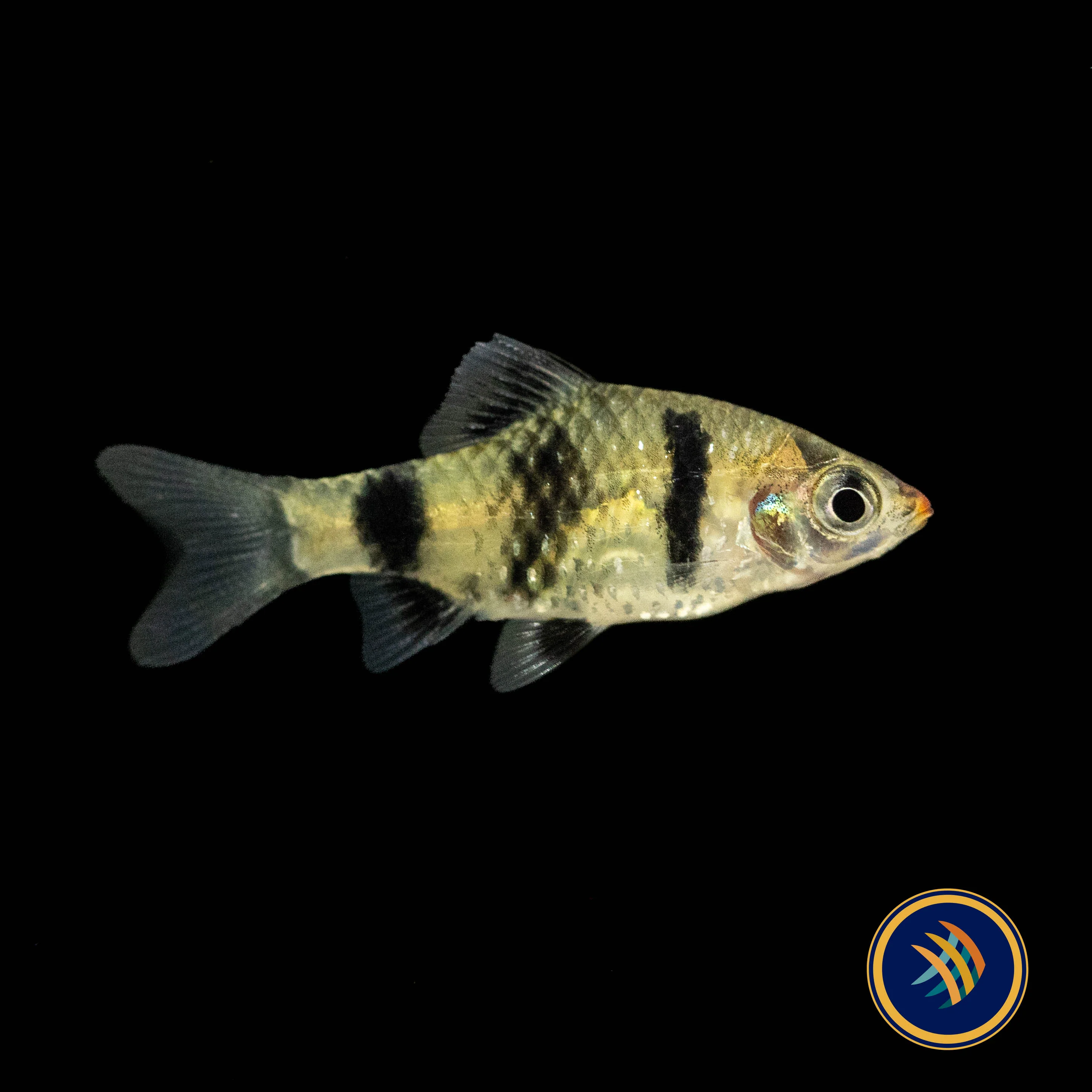
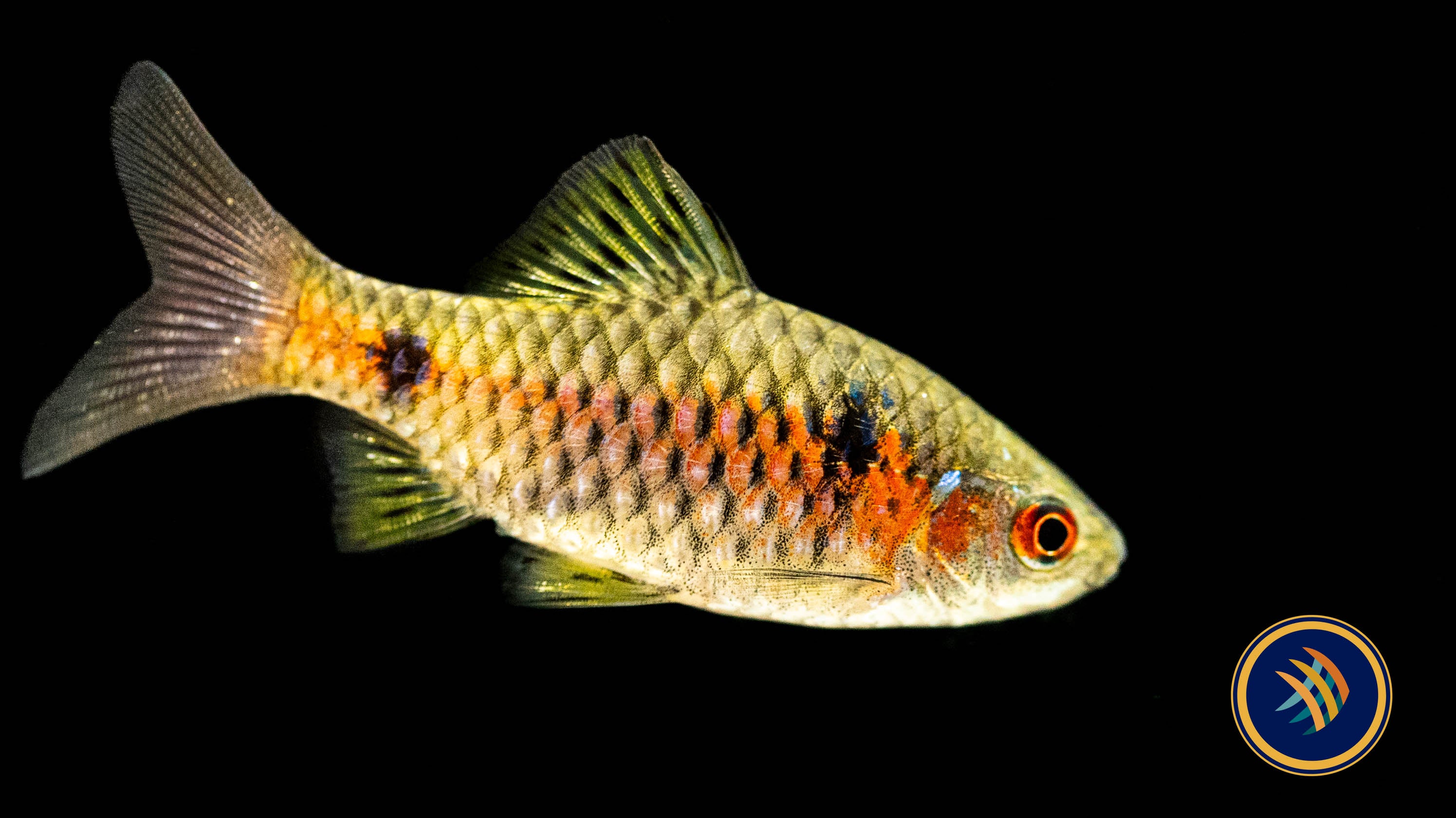
- Translucent golden body with three distinct black blotches along the flank
- Clear to slightly yellow fins
- Subtle sexual dimorphism: females are slightly larger and rounder; males may show stronger coloration when settled
Tank Requirements
- Minimum tank: 40 L / 10 gallons (larger is better for groups)
- School size: 8–12+ (they are shy in small numbers)
-
Aquascape:
- Heavily planted with fine-leaf plants
- Open swimming areas
- Dark substrate enhances coloration
- Lighting: Low to moderate
- Filtration: Gentle flow preferred
Water Parameters
- Temperature: 20–26 °C (68–79 °F)
- pH: 6.0–7.2
- Hardness: Soft to moderately hard (2–10 dGH)
- Stability is more important than chasing exact numbers
Diet
Omnivorous micro-feeder:
- High-quality micro pellets or flakes
- Live/frozen foods: daphnia, cyclops, baby brine shrimp
- Occasional powdered algae or spirulina
Feed small amounts once or twice daily; overfeeding dulls color and affects water quality.
Behavior & Tankmates
- Very peaceful; will not nip fins
- Best with other small, calm species, such as:
- Chili rasboras (Boraras spp.)
- Ember tetras
- Pygmy corydoras
- Small shrimp (generally shrimp-safe, especially adults)
Avoid large, boisterous fish that may outcompete or stress them.
Breeding (Brief Overview)
- Egg scatterers; no parental care
- Best results in a species-only breeding tank
- Fine-leaf plants or spawning mops required
- Remove adults after spawning to prevent egg predation
- Fry are extremely small and need infusoria or liquid fry food initially
Golden Dwarf Barb Barbus Gelius
Golden Dwarf Barb
Scientific name: Barbus gelius (often also listed as Puntius gelius)
Golden Dwarf Barb is a small, peaceful cyprinid prized for its shimmering gold-and-black pattern and suitability for nano and planted aquariums.
Quick Profile
- Adult size: ~1.5–2 cm (0.6–0.8 in)
- Lifespan: 4–6 years
- Temperament: Peaceful, schooling
- Origin: Northern India (slow-moving streams, ponds)
- Swimming level: Mid-water
Appearance
- Translucent golden body with three distinct black blotches along the flank
- Clear to slightly yellow fins
- Subtle sexual dimorphism: females are slightly larger and rounder; males may show stronger coloration when settled
Tank Requirements
- Minimum tank: 40 L / 10 gallons (larger is better for groups)
- School size: 8–12+ (they are shy in small numbers)
-
Aquascape:
- Heavily planted with fine-leaf plants
- Open swimming areas
- Dark substrate enhances coloration
- Lighting: Low to moderate
- Filtration: Gentle flow preferred
Water Parameters
- Temperature: 20–26 °C (68–79 °F)
- pH: 6.0–7.2
- Hardness: Soft to moderately hard (2–10 dGH)
- Stability is more important than chasing exact numbers
Diet
Omnivorous micro-feeder:
- High-quality micro pellets or flakes
- Live/frozen foods: daphnia, cyclops, baby brine shrimp
- Occasional powdered algae or spirulina
Feed small amounts once or twice daily; overfeeding dulls color and affects water quality.
Behavior & Tankmates
- Very peaceful; will not nip fins
- Best with other small, calm species, such as:
- Chili rasboras (Boraras spp.)
- Ember tetras
- Pygmy corydoras
- Small shrimp (generally shrimp-safe, especially adults)
Avoid large, boisterous fish that may outcompete or stress them.
Breeding (Brief Overview)
- Egg scatterers; no parental care
- Best results in a species-only breeding tank
- Fine-leaf plants or spawning mops required
- Remove adults after spawning to prevent egg predation
- Fry are extremely small and need infusoria or liquid fry food initially
Golden Dwarf Barb Barbus Gelius
Description
Golden Dwarf Barb
Scientific name: Barbus gelius (often also listed as Puntius gelius)
Golden Dwarf Barb is a small, peaceful cyprinid prized for its shimmering gold-and-black pattern and suitability for nano and planted aquariums.
Quick Profile
- Adult size: ~1.5–2 cm (0.6–0.8 in)
- Lifespan: 4–6 years
- Temperament: Peaceful, schooling
- Origin: Northern India (slow-moving streams, ponds)
- Swimming level: Mid-water
Appearance
- Translucent golden body with three distinct black blotches along the flank
- Clear to slightly yellow fins
- Subtle sexual dimorphism: females are slightly larger and rounder; males may show stronger coloration when settled
Tank Requirements
- Minimum tank: 40 L / 10 gallons (larger is better for groups)
- School size: 8–12+ (they are shy in small numbers)
-
Aquascape:
- Heavily planted with fine-leaf plants
- Open swimming areas
- Dark substrate enhances coloration
- Lighting: Low to moderate
- Filtration: Gentle flow preferred
Water Parameters
- Temperature: 20–26 °C (68–79 °F)
- pH: 6.0–7.2
- Hardness: Soft to moderately hard (2–10 dGH)
- Stability is more important than chasing exact numbers
Diet
Omnivorous micro-feeder:
- High-quality micro pellets or flakes
- Live/frozen foods: daphnia, cyclops, baby brine shrimp
- Occasional powdered algae or spirulina
Feed small amounts once or twice daily; overfeeding dulls color and affects water quality.
Behavior & Tankmates
- Very peaceful; will not nip fins
- Best with other small, calm species, such as:
- Chili rasboras (Boraras spp.)
- Ember tetras
- Pygmy corydoras
- Small shrimp (generally shrimp-safe, especially adults)
Avoid large, boisterous fish that may outcompete or stress them.
Breeding (Brief Overview)
- Egg scatterers; no parental care
- Best results in a species-only breeding tank
- Fine-leaf plants or spawning mops required
- Remove adults after spawning to prevent egg predation
- Fry are extremely small and need infusoria or liquid fry food initially
Golden Dwarf Barb Barbus Gelius