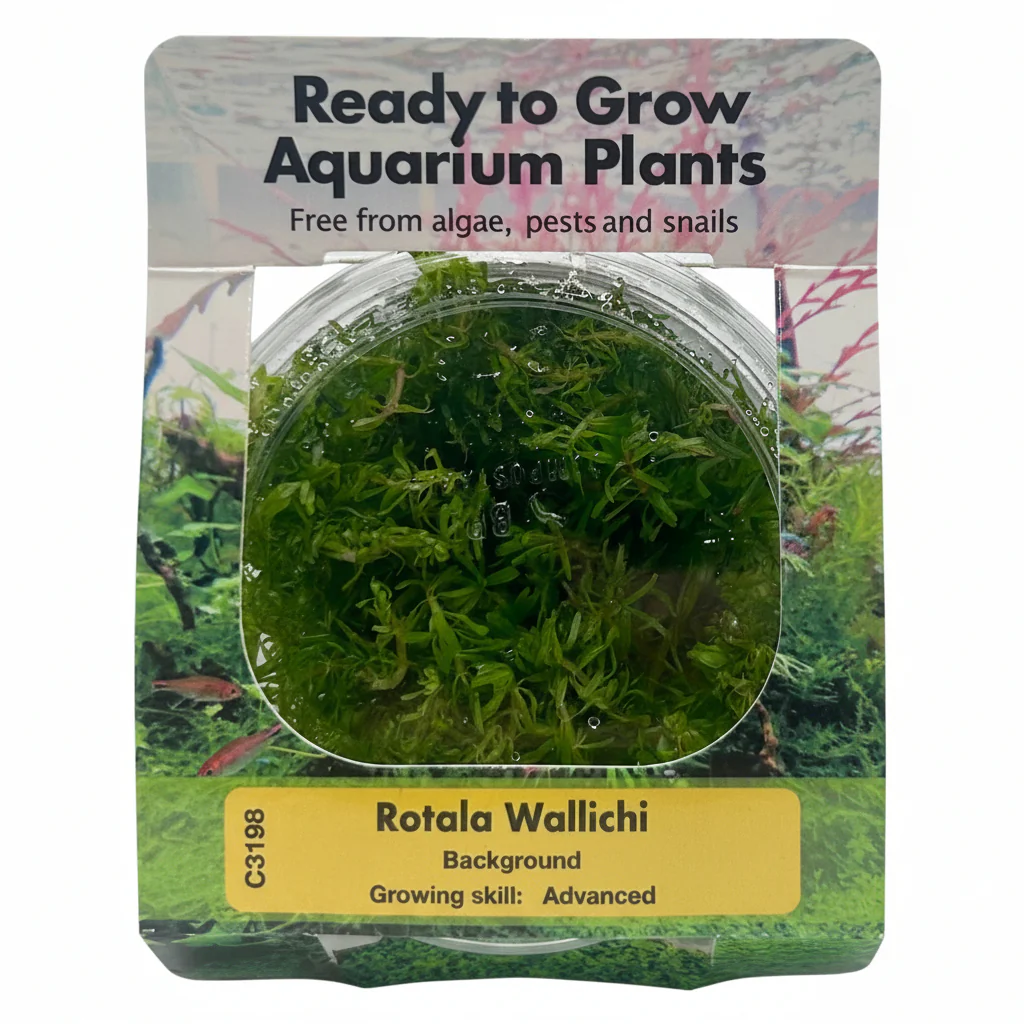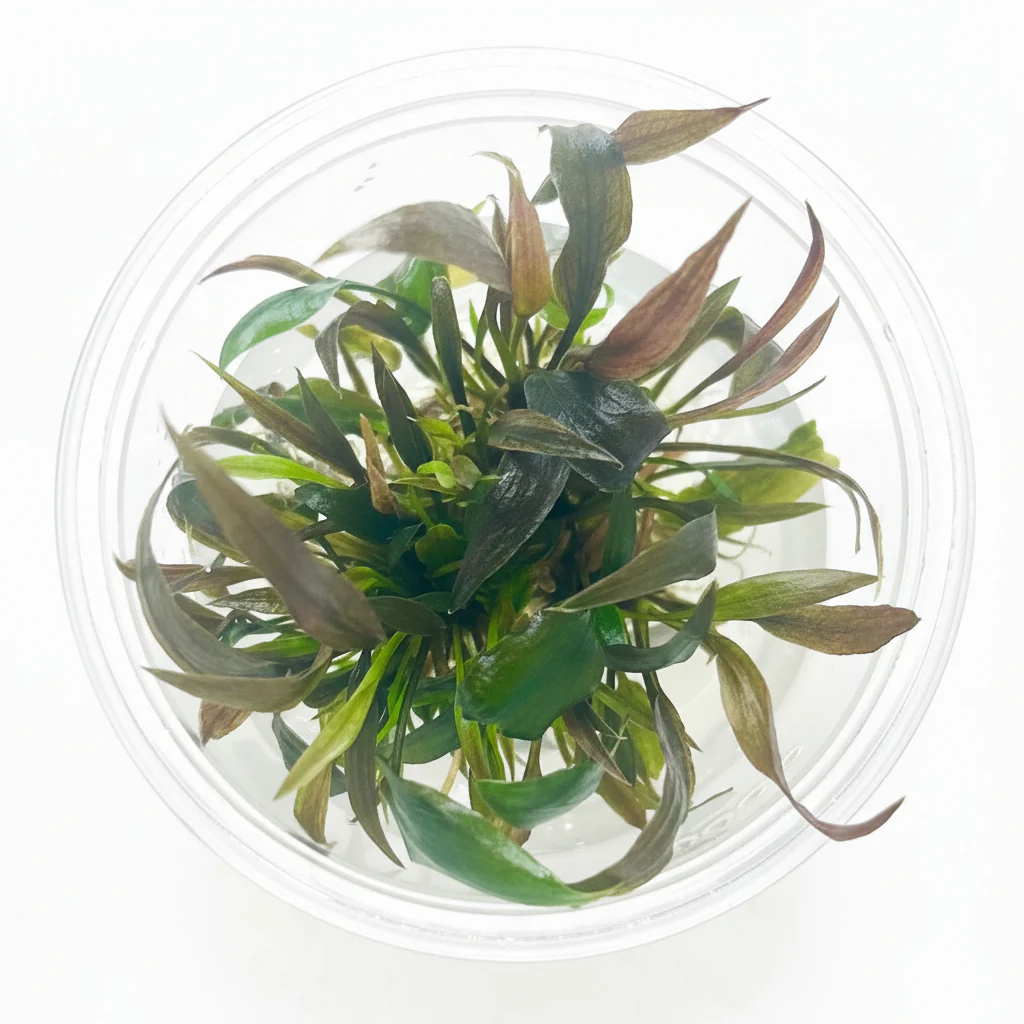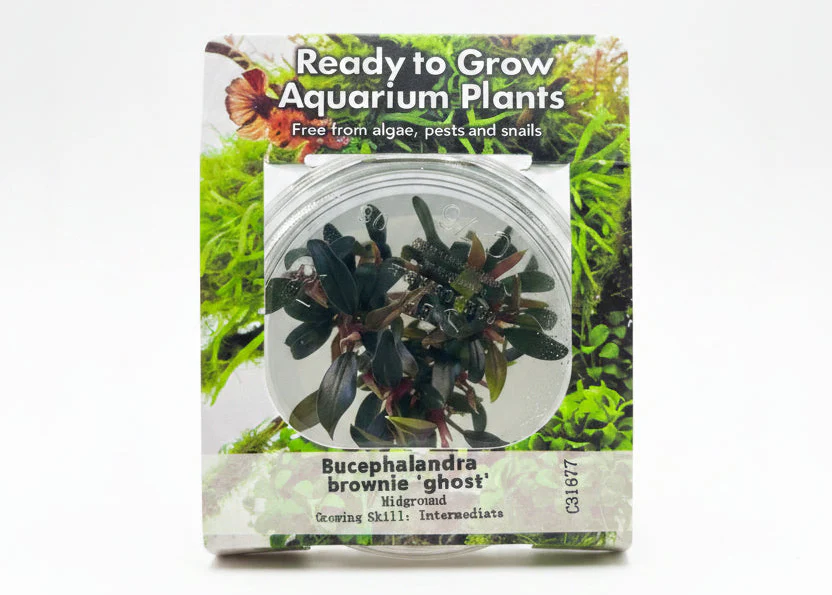
Bucephalandra brownie ghost ulu kapus Tissue Culture - C31677
Bucephalandra ‘Brownie Ghost Ulu Kapuas’ – Tissue Culture
Bring rare elegance and subtle color shifts into your aquascape with Bucephalandra ‘Brownie Ghost Ulu Kapuas’—a highly sought-after species prized for its unique leaf tones and compact growth. This tissue culture form ensures a clean, pest-free start, ideal for both beginner and advanced hobbyists.
Key Features
- Rare Ulu Kapuas variant with distinctive “ghostly” lighter tones over deep green to brown leaves
- Compact, slow-growing rhizome plant – perfect for nano tanks and detailed layouts
- Iridescent sheen under proper lighting, adding depth and contrast
- Tissue culture (TC) – free from algae, snails, and pests
Aquascaping Use
- Ideal for hardscape attachment (rocks, driftwood)
- Perfect for foreground to midground placement
- Works beautifully in nature, jungle, or minimalist aquascapes
Care Requirements
- Lighting: Low to medium (enhanced coloration under moderate light)
- CO₂: Not required, but recommended for optimal growth
- Temperature: 20–28°C
- Water Parameters: Soft to moderately hard water; stable conditions preferred
- Growth Rate: Slow
Planting Tips
- Gently rinse away the nutrient gel before use
- Do not bury the rhizome attach to hardscape using glue or thread
- Allow time to adapt; Bucephalandra may experience a short transition phase after planting
Bucephalandra ‘Brownie Ghost Ulu Kapuas’ – Tissue Culture
Bring rare elegance and subtle color shifts into your aquascape with Bucephalandra ‘Brownie Ghost Ulu Kapuas’—a highly sought-after species prized for its unique leaf tones and compact growth. This tissue culture form ensures a clean, pest-free start, ideal for both beginner and advanced hobbyists.
Key Features
- Rare Ulu Kapuas variant with distinctive “ghostly” lighter tones over deep green to brown leaves
- Compact, slow-growing rhizome plant – perfect for nano tanks and detailed layouts
- Iridescent sheen under proper lighting, adding depth and contrast
- Tissue culture (TC) – free from algae, snails, and pests
Aquascaping Use
- Ideal for hardscape attachment (rocks, driftwood)
- Perfect for foreground to midground placement
- Works beautifully in nature, jungle, or minimalist aquascapes
Care Requirements
- Lighting: Low to medium (enhanced coloration under moderate light)
- CO₂: Not required, but recommended for optimal growth
- Temperature: 20–28°C
- Water Parameters: Soft to moderately hard water; stable conditions preferred
- Growth Rate: Slow
Planting Tips
- Gently rinse away the nutrient gel before use
- Do not bury the rhizome attach to hardscape using glue or thread
- Allow time to adapt; Bucephalandra may experience a short transition phase after planting
Description
Bucephalandra ‘Brownie Ghost Ulu Kapuas’ – Tissue Culture
Bring rare elegance and subtle color shifts into your aquascape with Bucephalandra ‘Brownie Ghost Ulu Kapuas’—a highly sought-after species prized for its unique leaf tones and compact growth. This tissue culture form ensures a clean, pest-free start, ideal for both beginner and advanced hobbyists.
Key Features
- Rare Ulu Kapuas variant with distinctive “ghostly” lighter tones over deep green to brown leaves
- Compact, slow-growing rhizome plant – perfect for nano tanks and detailed layouts
- Iridescent sheen under proper lighting, adding depth and contrast
- Tissue culture (TC) – free from algae, snails, and pests
Aquascaping Use
- Ideal for hardscape attachment (rocks, driftwood)
- Perfect for foreground to midground placement
- Works beautifully in nature, jungle, or minimalist aquascapes
Care Requirements
- Lighting: Low to medium (enhanced coloration under moderate light)
- CO₂: Not required, but recommended for optimal growth
- Temperature: 20–28°C
- Water Parameters: Soft to moderately hard water; stable conditions preferred
- Growth Rate: Slow
Planting Tips
- Gently rinse away the nutrient gel before use
- Do not bury the rhizome attach to hardscape using glue or thread
- Allow time to adapt; Bucephalandra may experience a short transition phase after planting