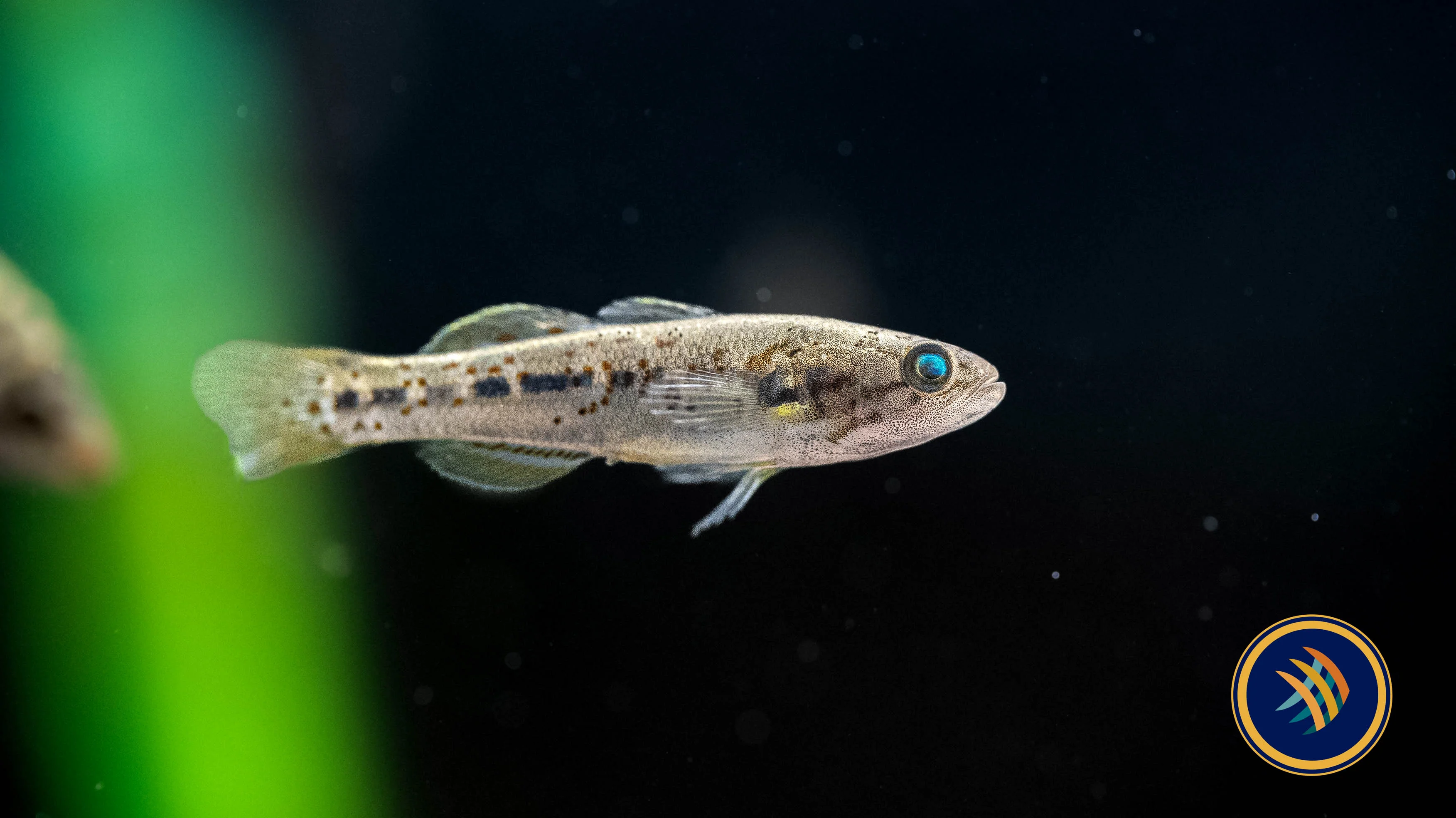
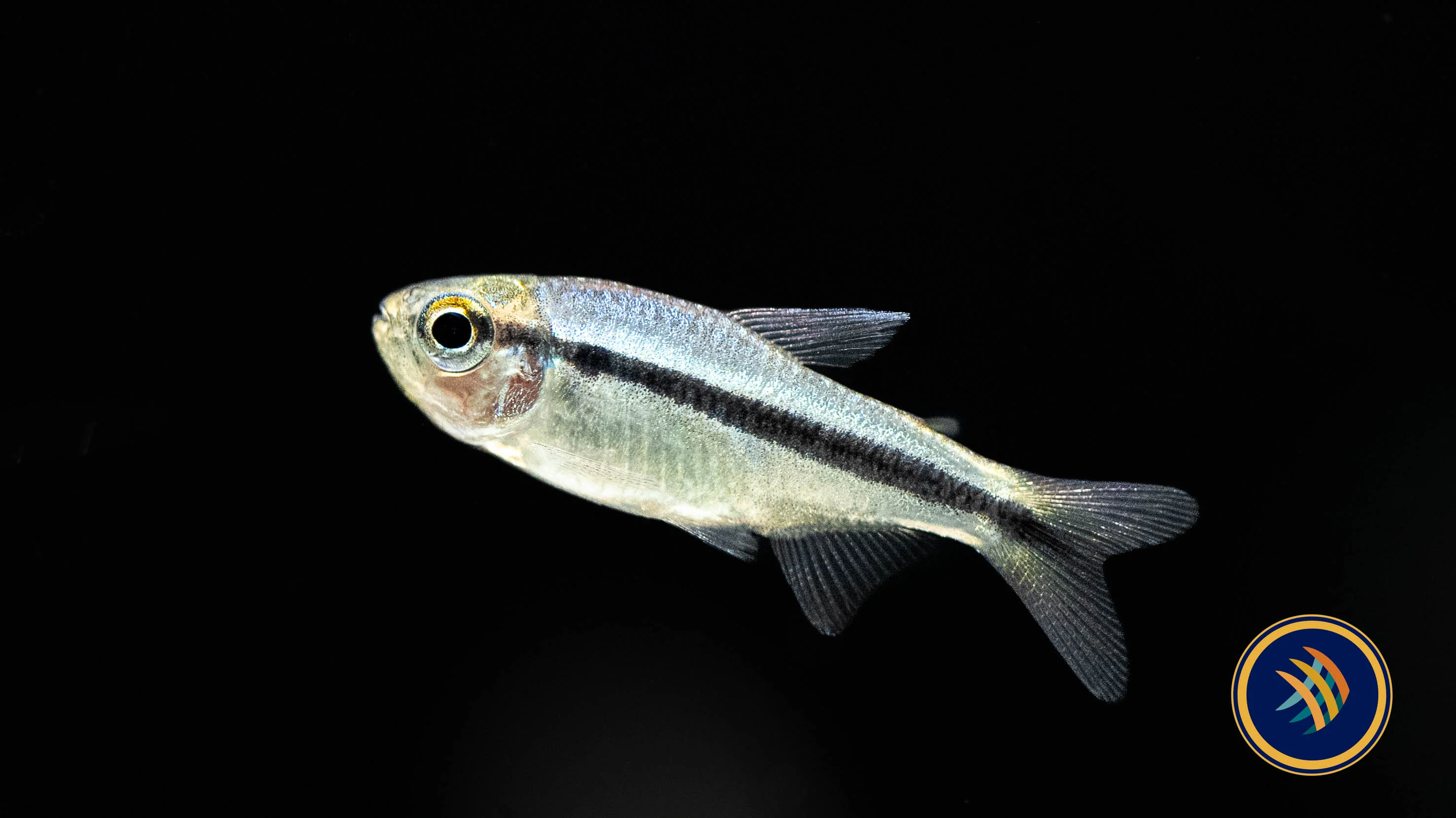
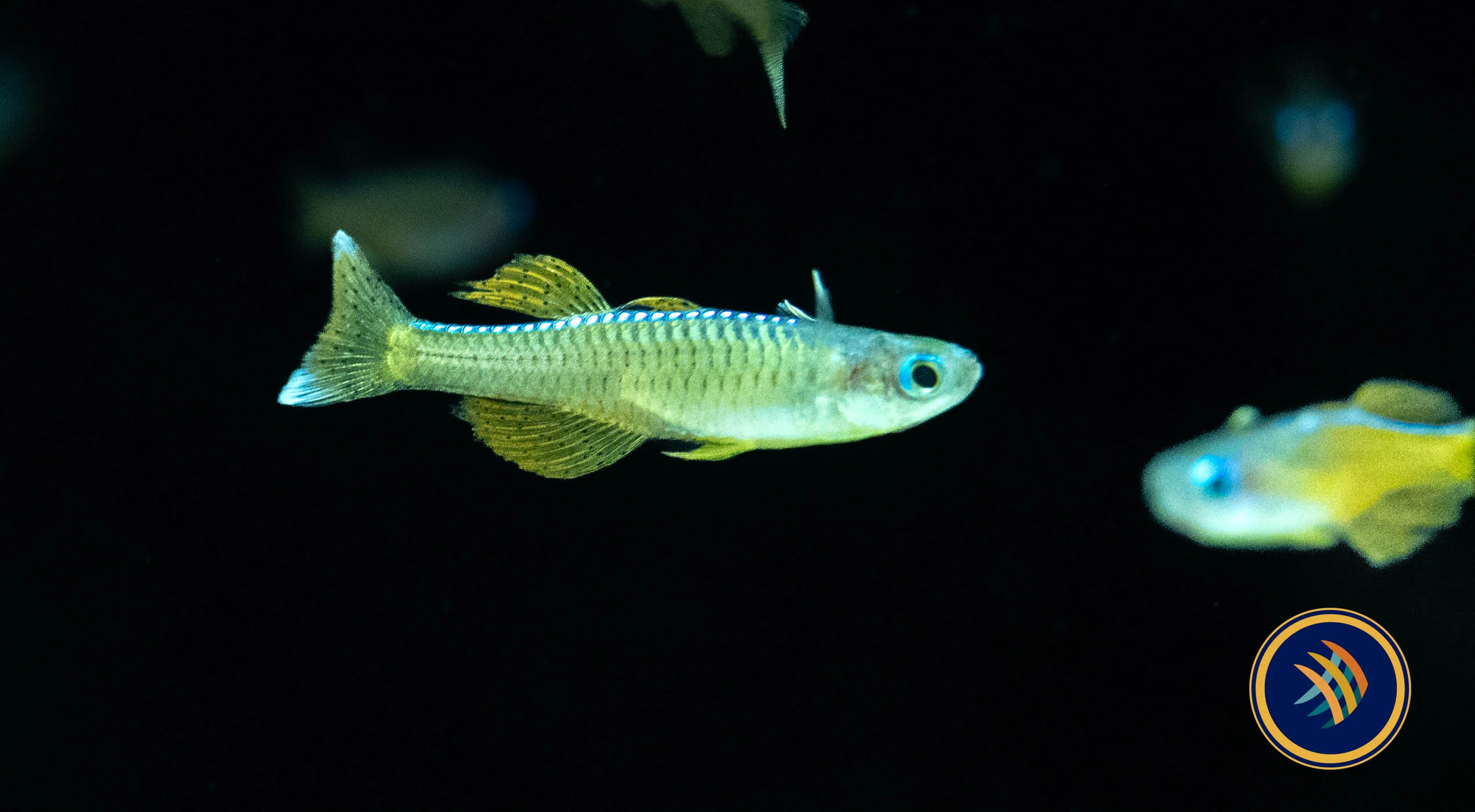
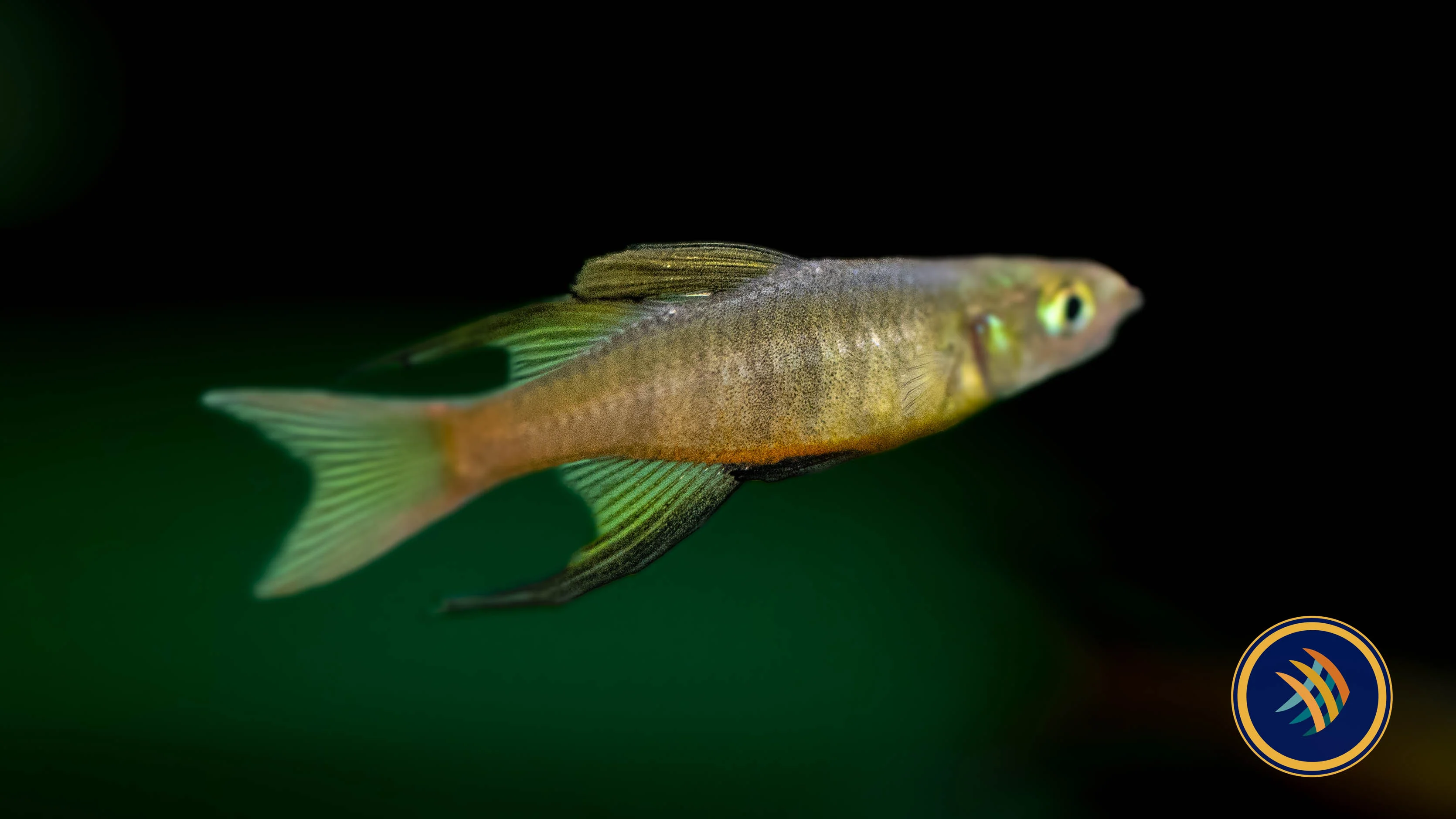
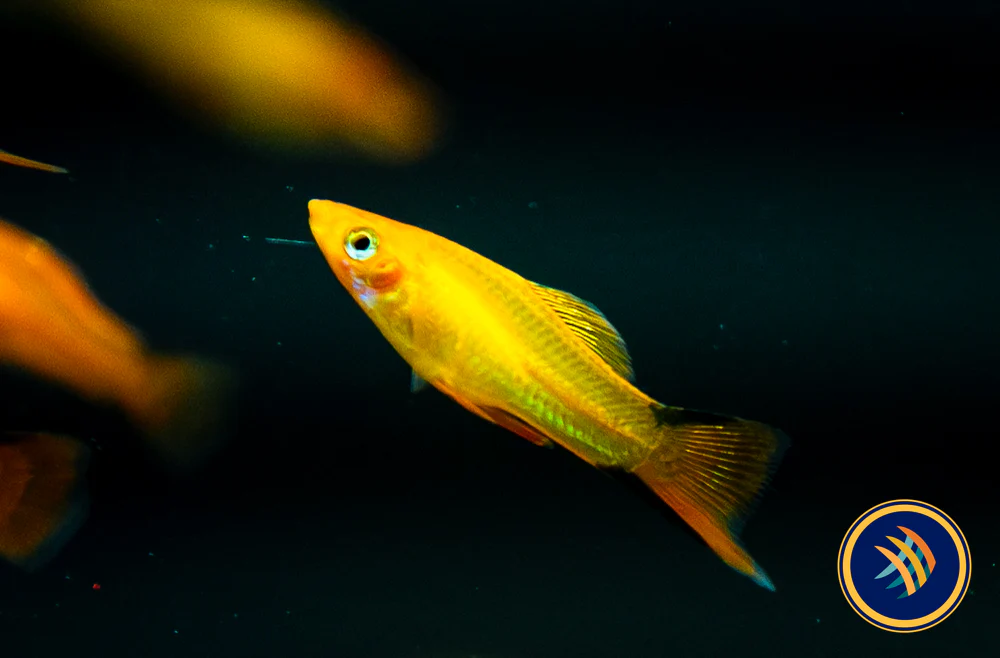
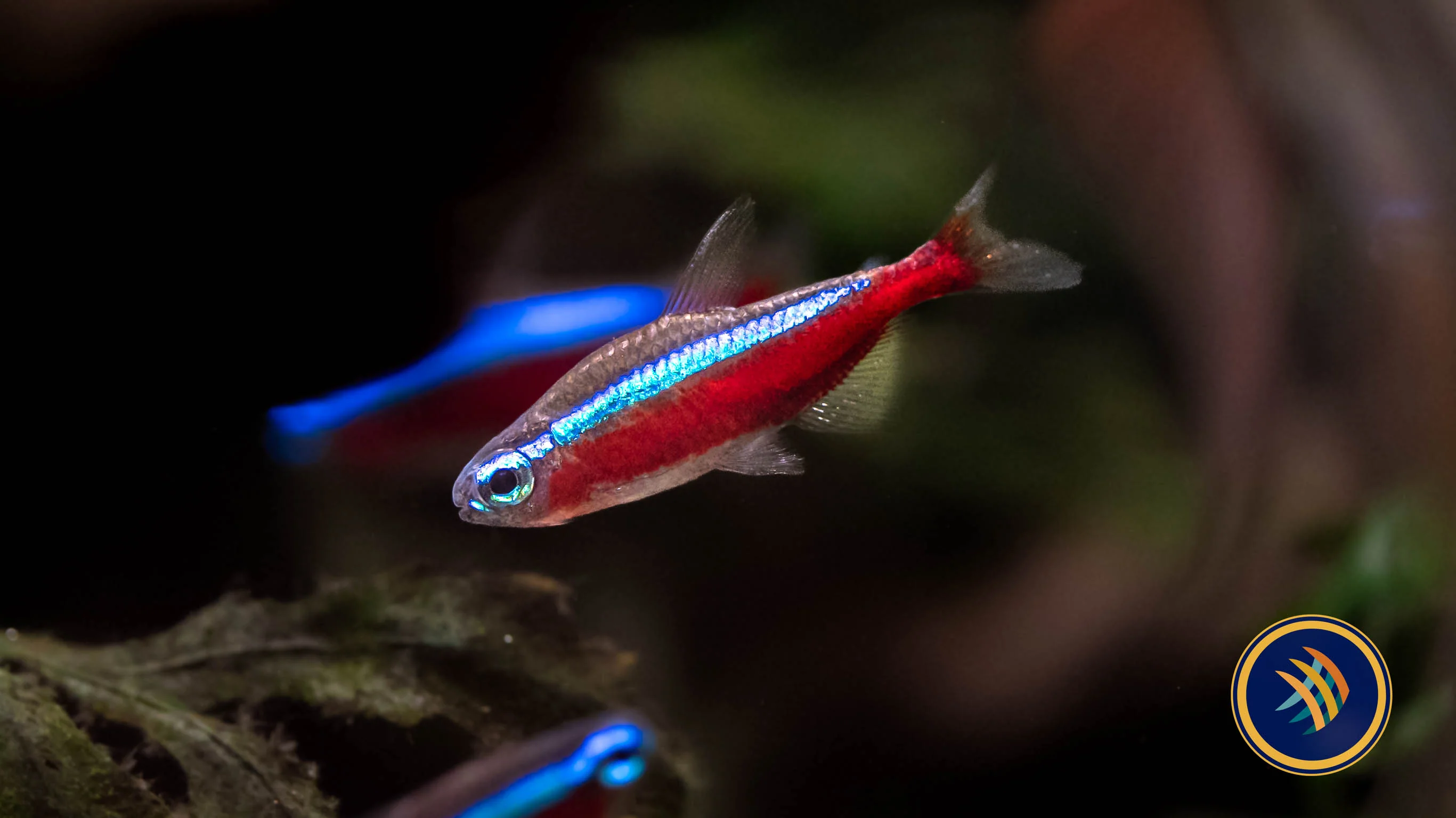
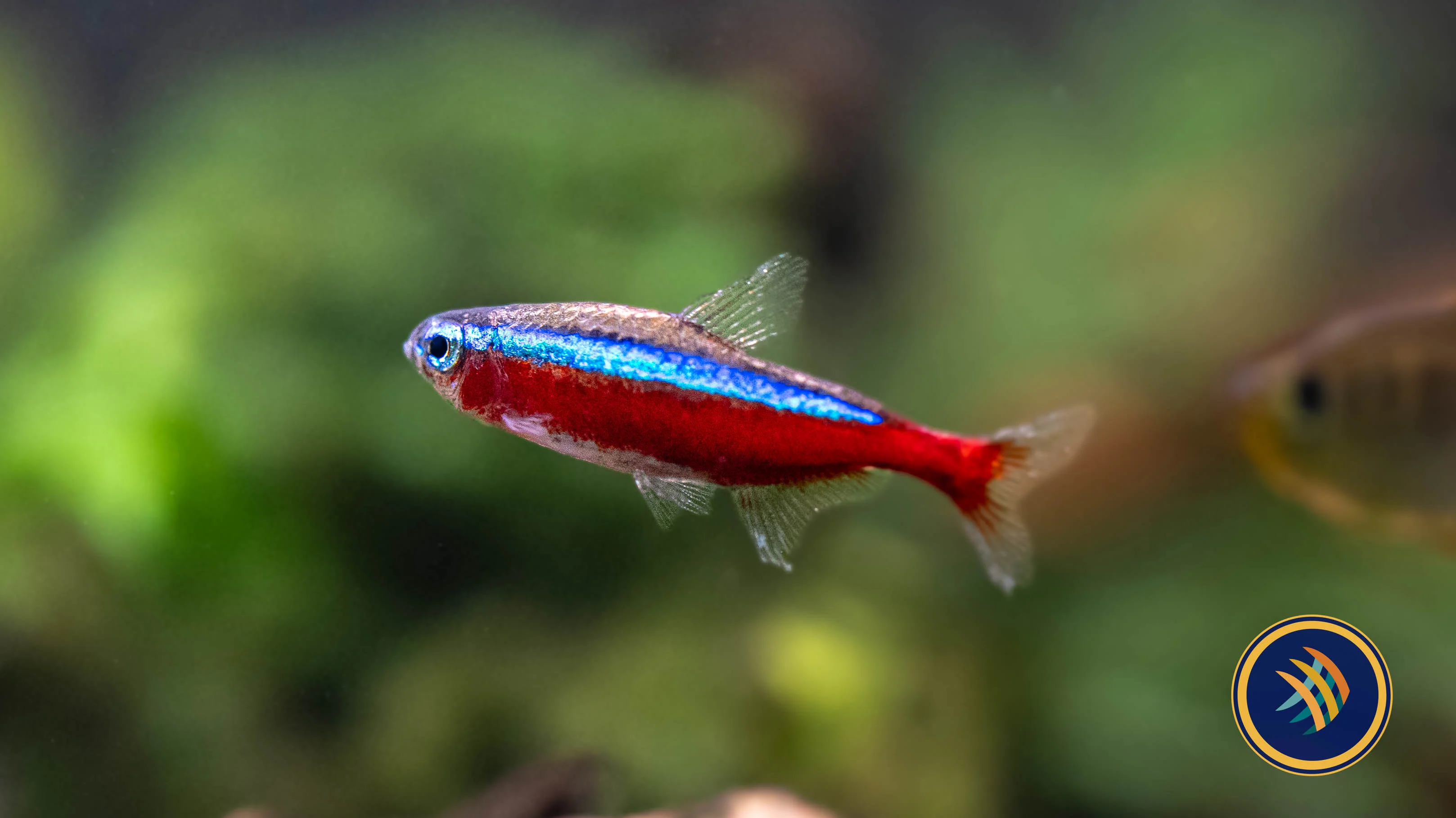
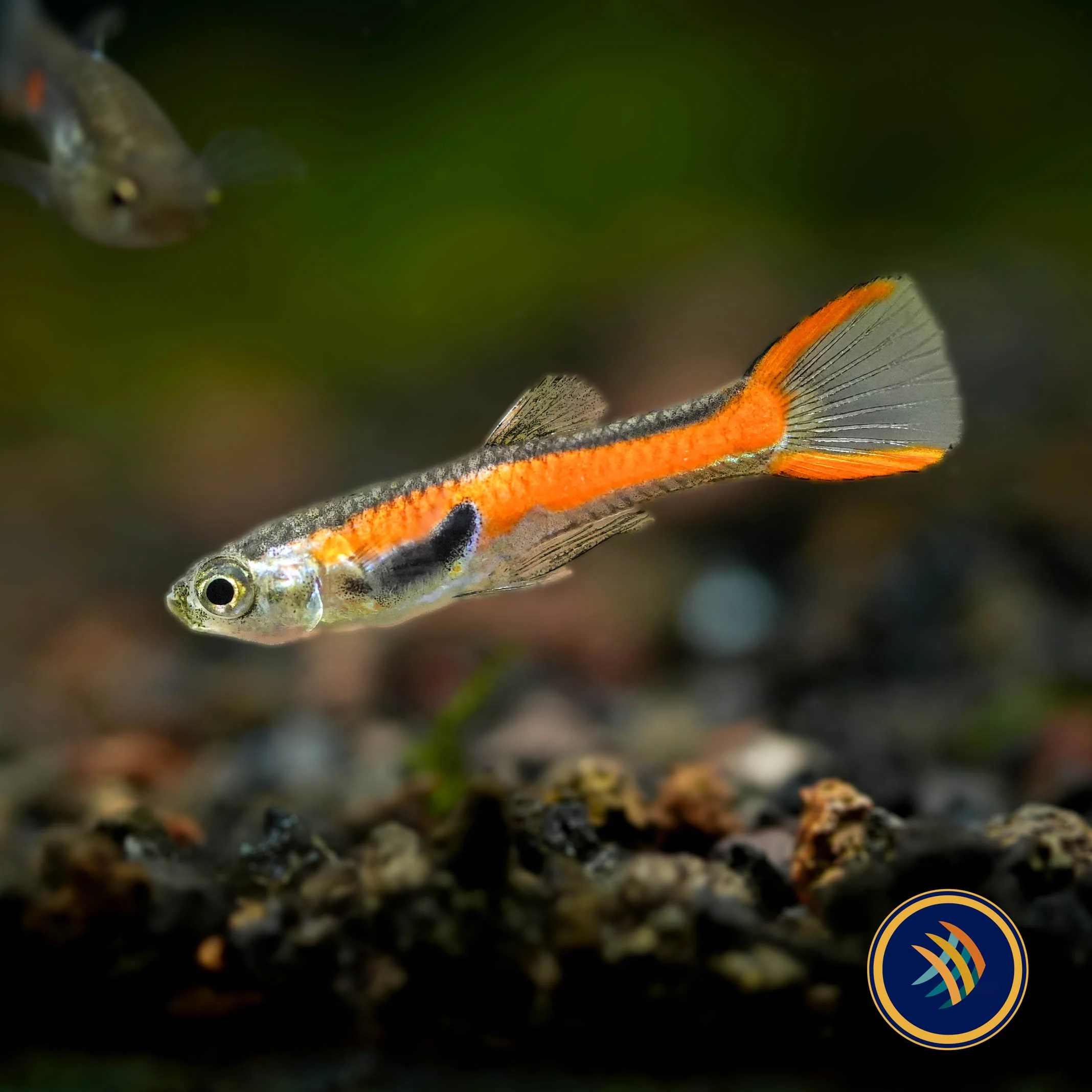
Assorted Swordtail (Xiphophorus hellerii)
Add bold color and constant movement to your aquarium with our Premium Assorted Swordtails. These hardy, beginner-friendly fish come in a variety of striking colors and patterns, making them a standout addition to any freshwater setup.
Why Customers Love Swordtails
- Bright, energetic fish that stay active and visible
- Extremely hardy and beginner-friendly
- Great for community aquariums
- Easy to breed (livebearers)
- Unique sword-shaped tail adds visual appeal
Care Guide
Care Level: Easy
Temperament: Peaceful to semi-active
Size: Up to 4–5 inches
Lifespan: 3–5 years
Water Parameters
- Temperature: 72–82°F (22–28°C)
- pH: 7.0–8.3
- Hardness: Moderate to hard
Tank Setup
- Minimum tank size: 20 gallons
- Plenty of open swimming space
- Plants or décor for hiding/resting areas
Tank Mates
Compatible with most peaceful freshwater fish:
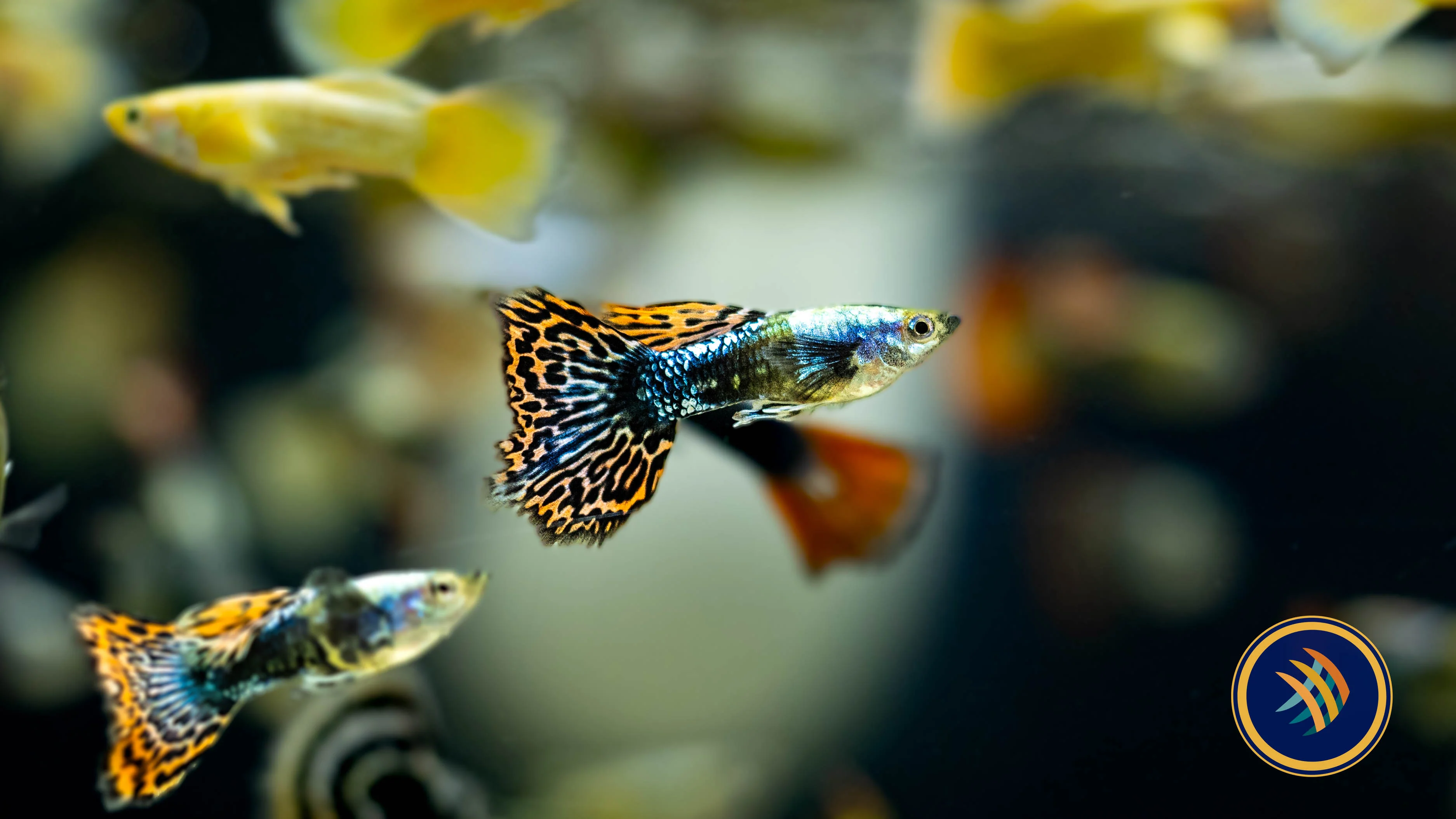
- Platies, Mollies, Guppies
- Tetras (non-aggressive species)
- Corydoras catfish
- Small peaceful plecos
Avoid aggressive or fin-nipping species.
Feeding
Omnivorous and easy to feed:
- High-quality flakes or pellets
- Supplement with:
- Frozen/live brine shrimp or bloodworms
- Spirulina-based foods
- Blanched vegetables
Breeding Info
Swordtails are livebearers and breed readily:
- Females give birth to free-swimming fry
- Best kept in groups (ratio: 1 male to 2–3 females)
- Provide plants to increase fry survival
Add bold color and constant movement to your aquarium with our Premium Assorted Swordtails. These hardy, beginner-friendly fish come in a variety of striking colors and patterns, making them a standout addition to any freshwater setup.
Why Customers Love Swordtails
- Bright, energetic fish that stay active and visible
- Extremely hardy and beginner-friendly
- Great for community aquariums
- Easy to breed (livebearers)
- Unique sword-shaped tail adds visual appeal
Care Guide
Care Level: Easy
Temperament: Peaceful to semi-active
Size: Up to 4–5 inches
Lifespan: 3–5 years
Water Parameters
- Temperature: 72–82°F (22–28°C)
- pH: 7.0–8.3
- Hardness: Moderate to hard
Tank Setup
- Minimum tank size: 20 gallons
- Plenty of open swimming space
- Plants or décor for hiding/resting areas
Tank Mates
Compatible with most peaceful freshwater fish:
- Platies, Mollies, Guppies
- Tetras (non-aggressive species)
- Corydoras catfish
- Small peaceful plecos
Avoid aggressive or fin-nipping species.
Feeding
Omnivorous and easy to feed:
- High-quality flakes or pellets
- Supplement with:
- Frozen/live brine shrimp or bloodworms
- Spirulina-based foods
- Blanched vegetables
Breeding Info
Swordtails are livebearers and breed readily:
- Females give birth to free-swimming fry
- Best kept in groups (ratio: 1 male to 2–3 females)
- Provide plants to increase fry survival
Original: $5.65
-65%$5.65
$1.98Description
Add bold color and constant movement to your aquarium with our Premium Assorted Swordtails. These hardy, beginner-friendly fish come in a variety of striking colors and patterns, making them a standout addition to any freshwater setup.
Why Customers Love Swordtails
- Bright, energetic fish that stay active and visible
- Extremely hardy and beginner-friendly
- Great for community aquariums
- Easy to breed (livebearers)
- Unique sword-shaped tail adds visual appeal
Care Guide
Care Level: Easy
Temperament: Peaceful to semi-active
Size: Up to 4–5 inches
Lifespan: 3–5 years
Water Parameters
- Temperature: 72–82°F (22–28°C)
- pH: 7.0–8.3
- Hardness: Moderate to hard
Tank Setup
- Minimum tank size: 20 gallons
- Plenty of open swimming space
- Plants or décor for hiding/resting areas
Tank Mates
Compatible with most peaceful freshwater fish:
- Platies, Mollies, Guppies
- Tetras (non-aggressive species)
- Corydoras catfish
- Small peaceful plecos
Avoid aggressive or fin-nipping species.
Feeding
Omnivorous and easy to feed:
- High-quality flakes or pellets
- Supplement with:
- Frozen/live brine shrimp or bloodworms
- Spirulina-based foods
- Blanched vegetables
Breeding Info
Swordtails are livebearers and breed readily:
- Females give birth to free-swimming fry
- Best kept in groups (ratio: 1 male to 2–3 females)
- Provide plants to increase fry survival